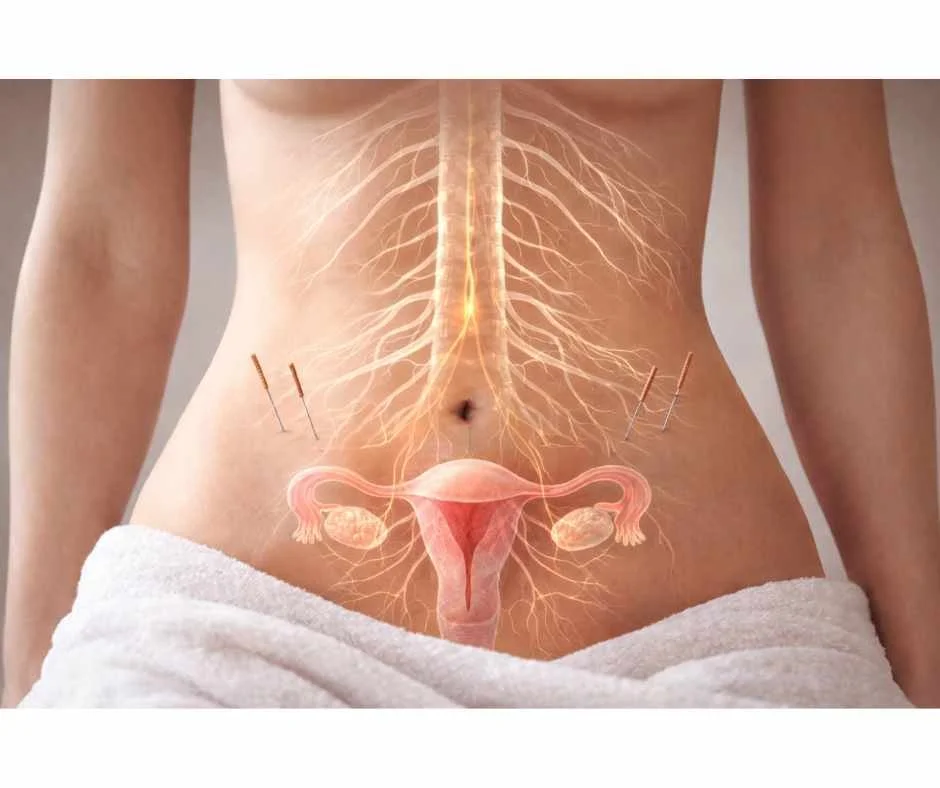
PCOS involves disrupted hormonal and nervous system signaling rather than a single imbalance. This article explains how acupuncture may support ovulation, cycle regulation, insulin sensitivity, and stress physiology as part of integrative PCOS care.
Read MoreEstrogen dominance is a functional hormone imbalance that can occur even when lab results appear “normal.” It reflects a loss of balance between estrogen, progesterone, and the body’s ability to metabolize and eliminate estrogen effectively. When this regulation breaks down, symptoms such as heavy periods, PMS, anxiety, sleep disruption, and weight changes often intensify rather than resolve on their own.

Read MoreEndometriosis is more than a gynecologic diagnosis. This article explores how immune dysregulation, inflammation, and tissue-level hormone signaling contribute to endometriosis—and why addressing root drivers matters for lasting improvement.
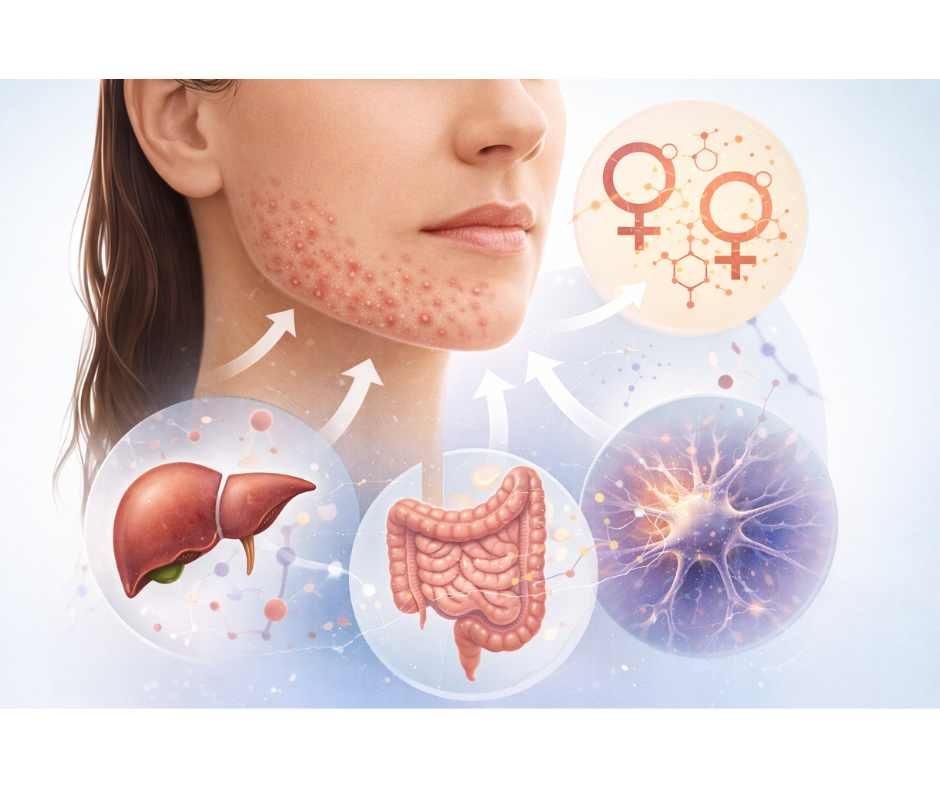
Read MoreAdult acne is often a sign of deeper imbalance rather than a surface skin problem. This article explores the root causes of persistent adult acne—including hormones, gut health, inflammation, stress physiology, and detoxification—and explains how a functional, integrative medicine approach supports long-term skin healing beyond symptom suppression.
Read MorePersistent PMS symptoms are not random or “just part of being female.” When bloating, mood changes, fatigue, or pelvic discomfort intensify before menstruation, they reflect how ovulation, hormones, stress physiology, metabolism, and nervous system regulation are interacting. This article explores what PMS and PMDD symptoms reveal about underlying imbalance—and how a root-cause, systems-based approach supports more stable, predictable cycles.
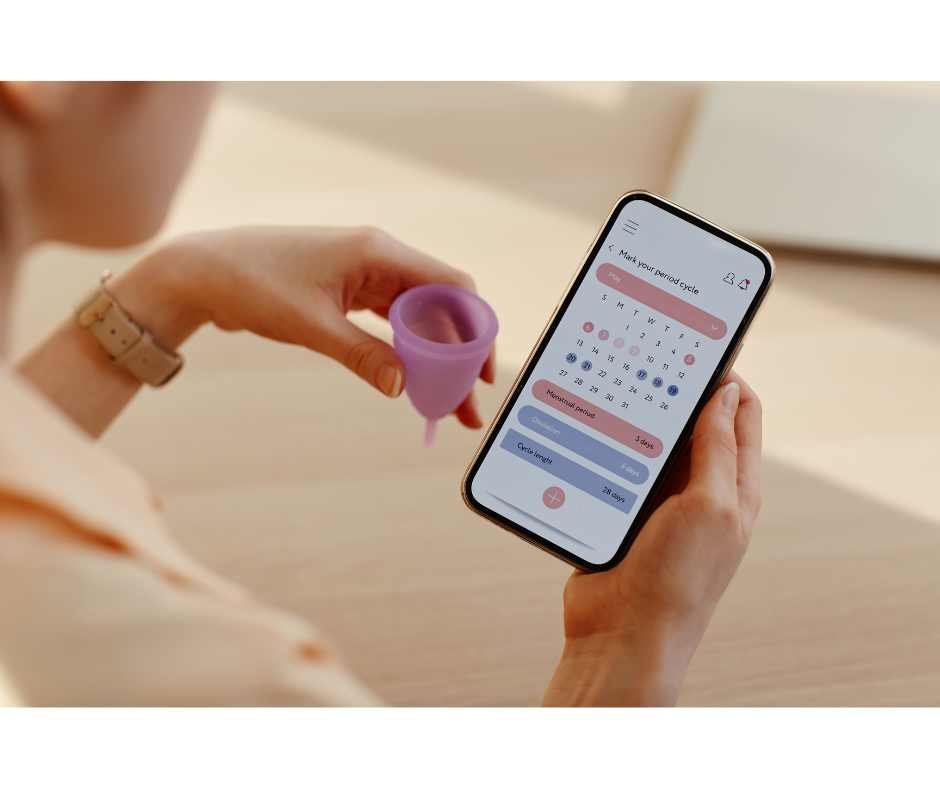
Read MoreMany women are offered hormonal birth control without being fully informed of alternatives. Non-hormonal birth control options provide effective ways to prevent pregnancy without suppressing ovulation or altering natural hormone signaling. This article explores hormone-free contraception options, how they work, and who they may be appropriate for—so you can make informed decisions that align with your health goals.
Read More