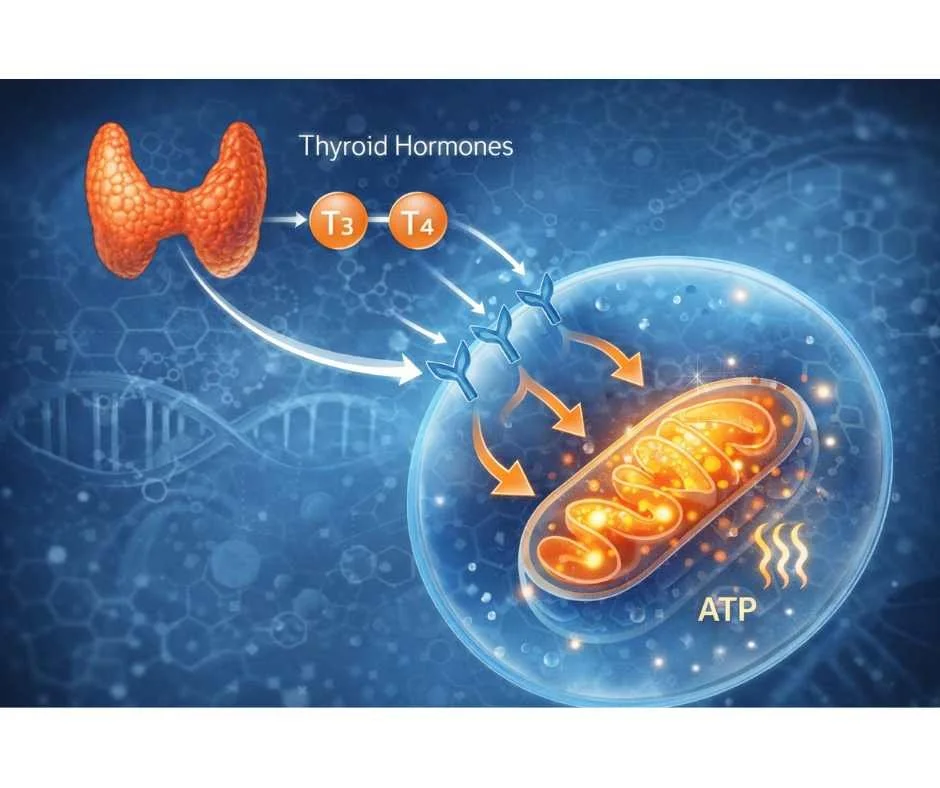
Weight loss resistance is one of the most frustrating—and misunderstood—effects of hypothyroidism. This article explains how thyroid signaling alters metabolism, energy conservation, stress hormones, and fat oxidation, making traditional diet and exercise strategies ineffective despite consistent effort.
Read MoreOxytocin plays a central role in hormonal regulation by signaling safety to the brain and shaping how stress, metabolic, and reproductive hormones are prioritized. This article explains the hormonal hierarchy and why hormone symptoms can persist even when labs appear normal.

Read MoreWomen with PCOS often experience rebound symptoms after stopping birth control. This article explains why the transition is different with PCOS and how to support hormonal regulation, ovulation, and metabolic stability safely.
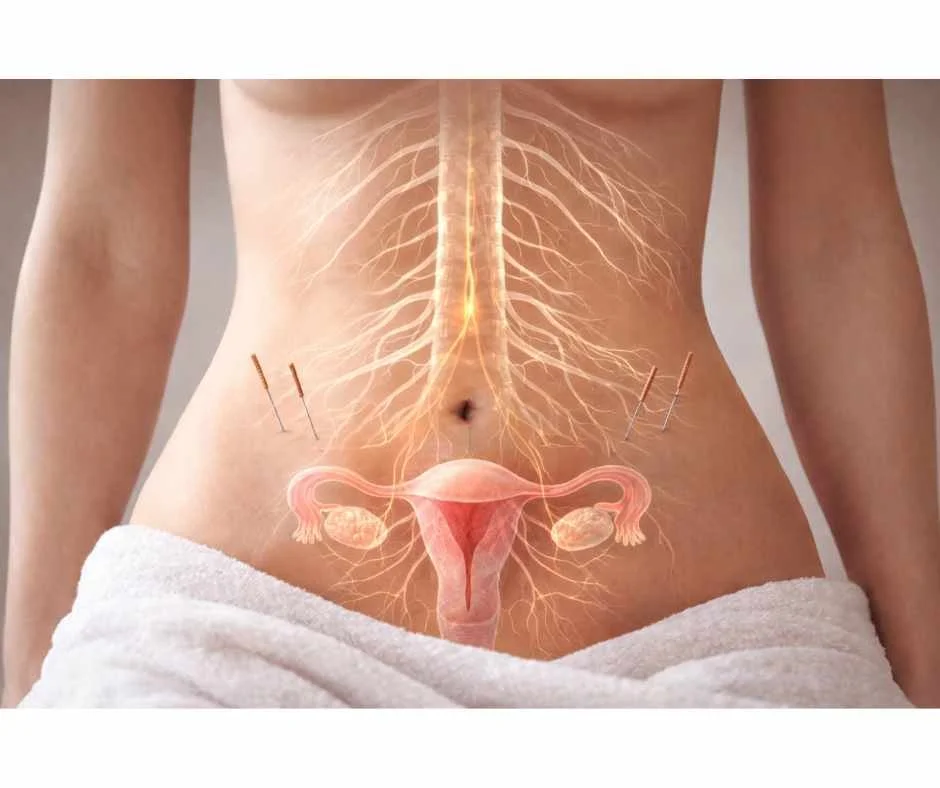
Read MorePCOS involves disrupted hormonal and nervous system signaling rather than a single imbalance. This article explains how acupuncture may support ovulation, cycle regulation, insulin sensitivity, and stress physiology as part of integrative PCOS care.
Read MoreEstrogen dominance is a functional hormone imbalance that can occur even when lab results appear “normal.” It reflects a loss of balance between estrogen, progesterone, and the body’s ability to metabolize and eliminate estrogen effectively. When this regulation breaks down, symptoms such as heavy periods, PMS, anxiety, sleep disruption, and weight changes often intensify rather than resolve on their own.
Read MoreEndometriosis is a chronic inflammatory condition driven by immune dysfunction, progesterone resistance, and hormone signaling disruption. Symptoms often persist despite normal labs and conventional treatment.nt.
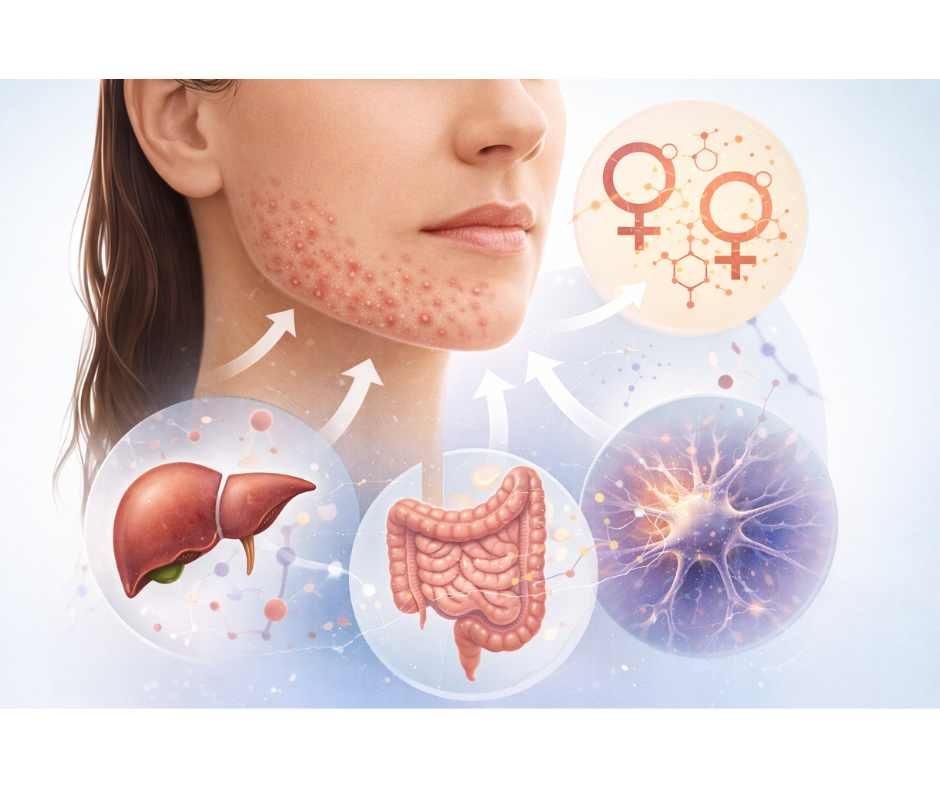
Read MoreAdult acne often reflects deeper physiologic drivers rather than surface skin problems alone. Hormonal signaling, gut–skin axis disruption, inflammation, metabolic stress, detoxification pathways, and nervous system regulation can interact to drive persistent breakouts and treatment-resistant acne patterns.
Read MorePMS symptoms such as mood changes, fatigue, bloating, and anxiety are often dismissed as a normal part of the menstrual cycle. Persistent premenstrual symptoms more often reflect hormonal imbalance, ovulatory dysfunction, stress physiology, and metabolic strain. A root-cause approach can help restore more stable, predictable cycles.
Read MoreNon-hormonal birth control explained. Discover how fertility awareness, ovulation tracking, and hormone-free methods prevent pregnancy without suppressing your natural cycle.
Read More