Thyroid hormones rely on gut integrity, immune regulation, and proper nutrient absorption to function at the cellular level. This article explains why thyroid symptoms often persist despite normal labs—and how gut health shapes thyroid regulation.
Read MoreAcupuncture may help digestive issues like IBS, reflux, bloating, constipation, and inflammation by improving gut motility, calming the nervous system, and supporting gut–brain regulation through a functional medicine and Traditional Chinese Medicine approach.

Read MoreAnxiety, depression, and PTSD are increasingly understood as conditions of nervous system dysregulation rather than isolated brain disorders. This article explores how acupuncture supports mental health by improving vagal tone, autonomic balance, inflammation control, and stress recovery—addressing root causes rather than suppressing symptoms.
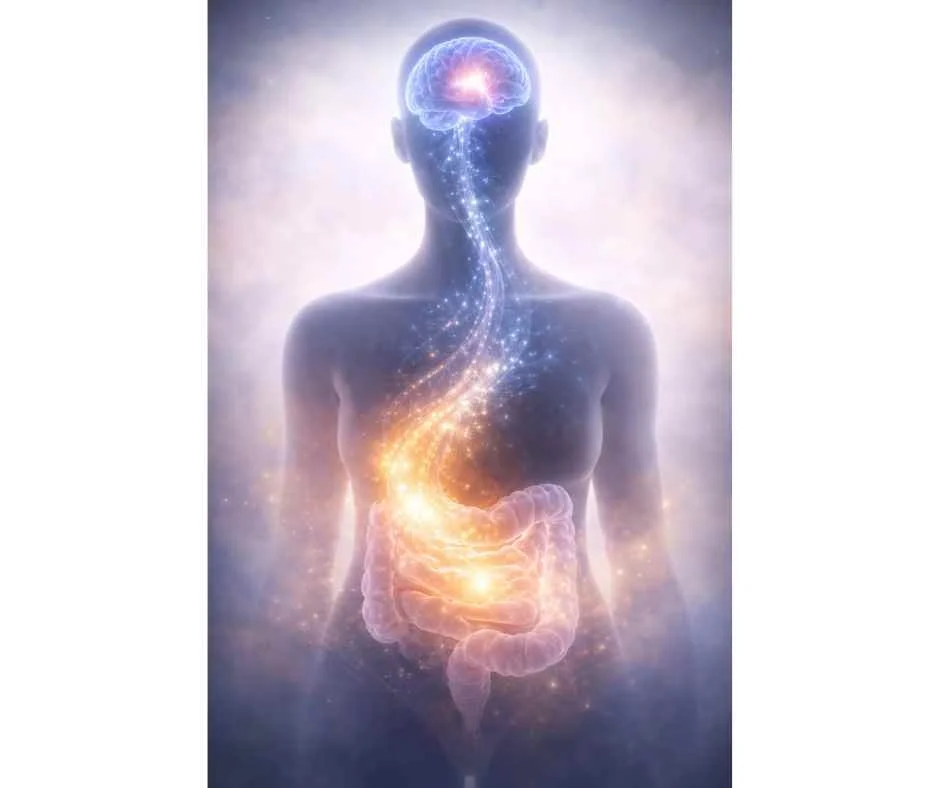
Read MoreThe gut–brain connection describes the constant communication between the digestive system and the nervous system that shapes digestion, inflammation, stress response, mood, and cognitive function. Disruptions in gut health can influence far more than digestion alone—helping explain why symptoms such as anxiety, fatigue, brain fog, and chronic inflammation often overlap.
Read MoreLeaky gut syndrome may contribute to chronic inflammation, fatigue, food sensitivities, brain fog, skin issues, autoimmune symptoms, and digestive dysfunction. This in-depth article explains intestinal permeability, gut barrier dysfunction, microbiome imbalance, and a root-cause functional medicine approach to restoring gut health naturally.
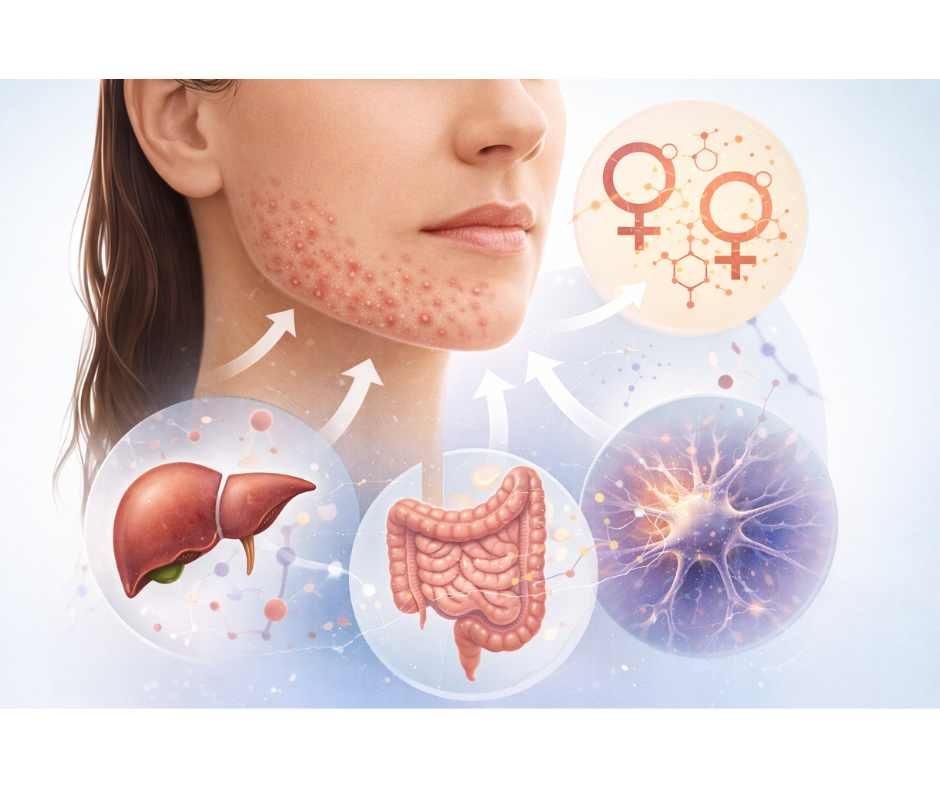
Read MoreAdult acne often reflects deeper physiologic drivers rather than surface skin problems alone. Hormonal signaling, gut–skin axis disruption, inflammation, metabolic stress, detoxification pathways, and nervous system regulation can interact to drive persistent breakouts and treatment-resistant acne patterns.
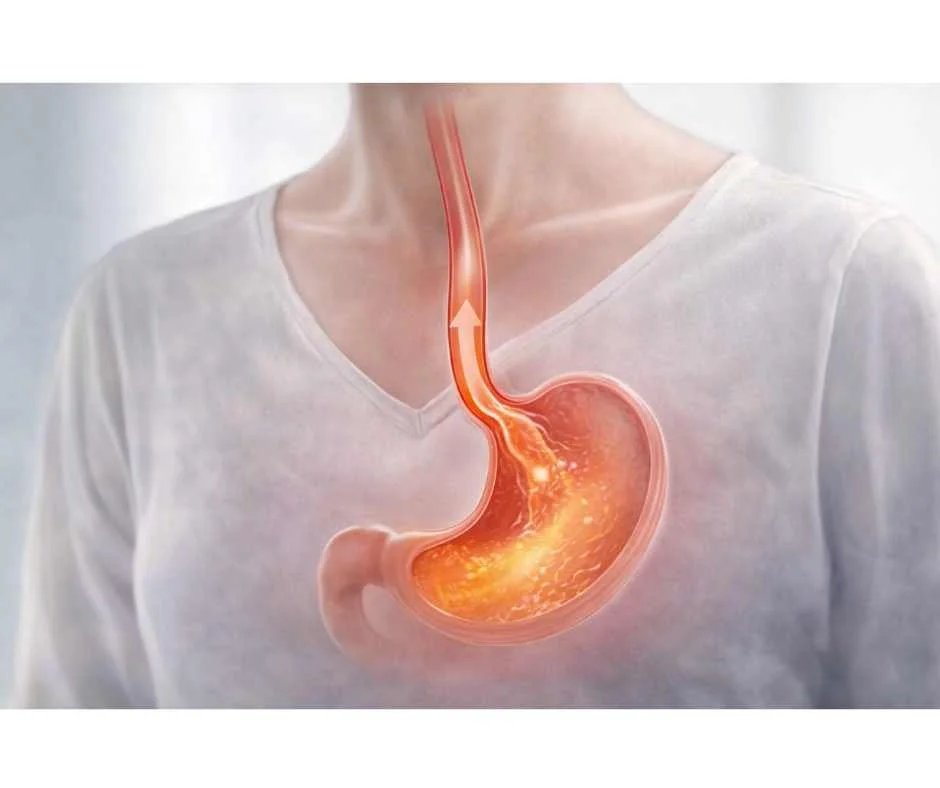
Read MoreAcid reflux is not always caused by excess stomach acid. Discover how low stomach acid, LES dysfunction, medications, stress, and diet contribute to GERD—and how a root-cause, natural treatment approach can restore digestive balance.
Read MoreChronic inflammation develops when immune activation fails to fully resolve. Identifying gut, metabolic, environmental, and stress-related drivers is essential to reduce inflammation naturally and restore immune balance.
Read MoreAntibiotics can disrupt gut bacteria and intestinal barrier function, leading to bloating, dysbiosis, and immune imbalance. Restore microbial diversity and rebuild gut resilience with a structured recovery approach.
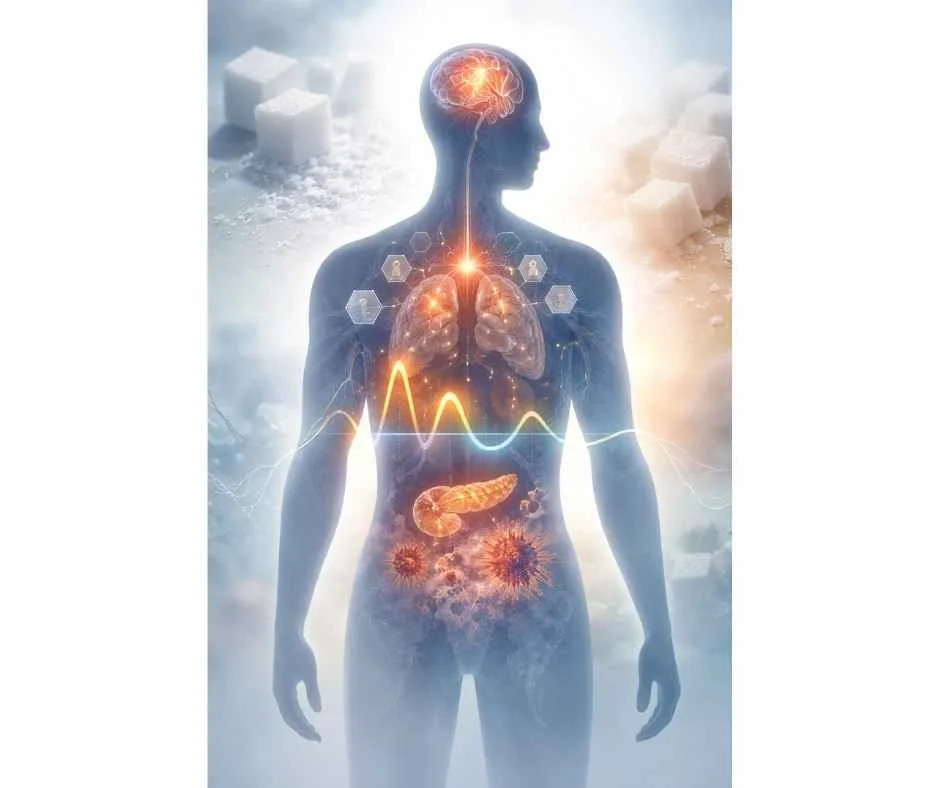
Read MoreAdded sugar is not just empty calories—it is a metabolic stressor that disrupts blood sugar regulation, hormones, energy production, and inflammatory balance long before disease appears on standard labs.
Read MoreGluten intolerance and celiac disease can trigger immune-mediated damage to the intestinal lining, impair nutrient absorption, and drive systemic inflammation. This in-depth guide explains how gluten disrupts the gut–immune interface and why lasting recovery requires more than simply going gluten-free.
Read More