
Acupuncture may help digestive issues like IBS, reflux, bloating, constipation, and inflammation by improving gut motility, calming the nervous system, and supporting gut–brain regulation through a functional medicine and Traditional Chinese Medicine approach.
Read MoreAnxiety, depression, and PTSD are increasingly understood as conditions of nervous system dysregulation rather than isolated brain disorders. This article explores how acupuncture supports mental health by improving vagal tone, autonomic balance, inflammation control, and stress recovery—addressing root causes rather than suppressing symptoms.
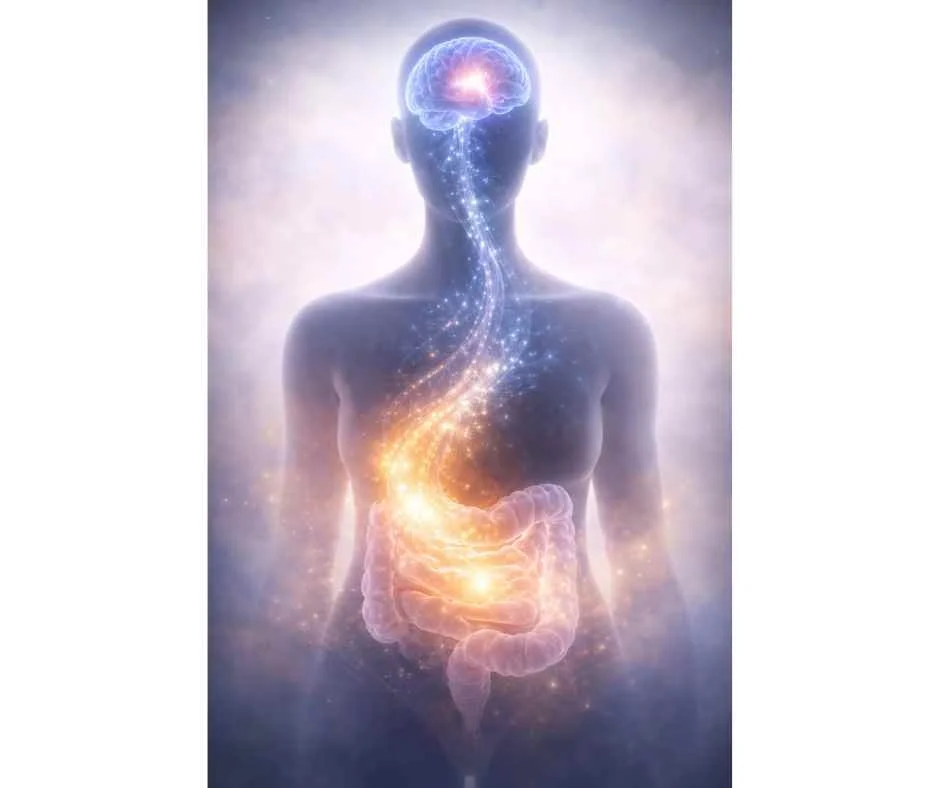
Read MoreThe gut–brain connection describes the constant communication between the digestive system and the nervous system that shapes digestion, inflammation, stress response, mood, and cognitive function. Disruptions in gut health can influence far more than digestion alone—helping explain why symptoms such as anxiety, fatigue, brain fog, and chronic inflammation often overlap.
Read MoreLeaky gut syndrome—also known as increased intestinal permeability—can drive inflammation, immune dysfunction, and chronic symptoms throughout the body. Learn how to heal at the root cause.
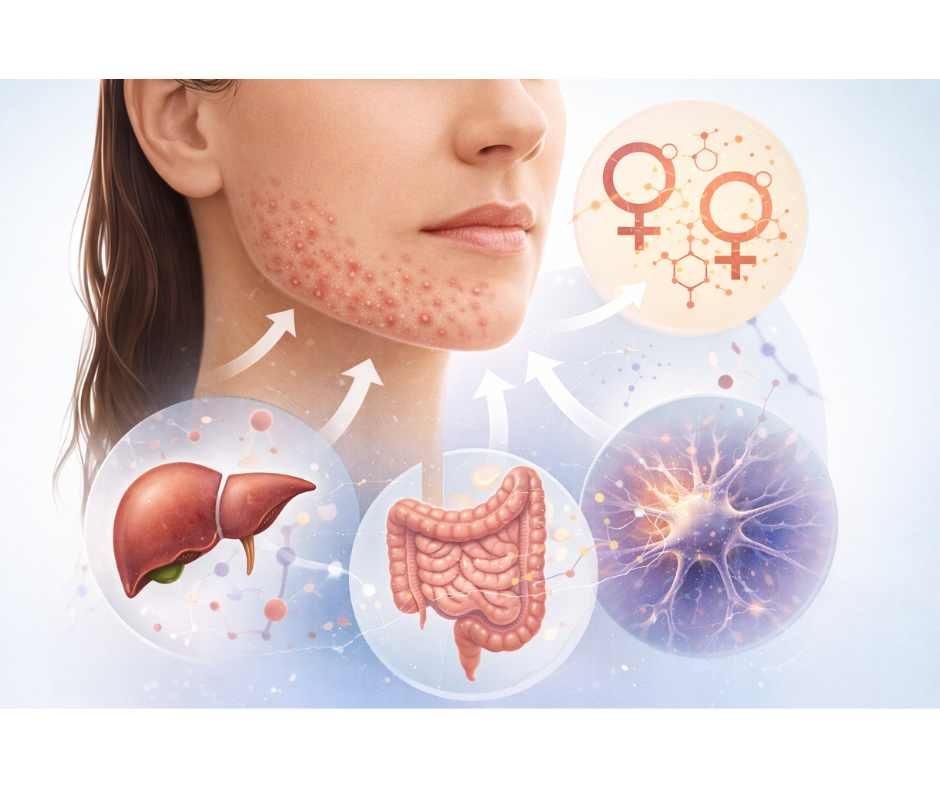
Read MoreAdult acne is often a sign of deeper imbalance rather than a surface skin problem. This article explores the root causes of persistent adult acne—including hormones, gut health, inflammation, stress physiology, and detoxification—and explains how a functional, integrative medicine approach supports long-term skin healing beyond symptom suppression.
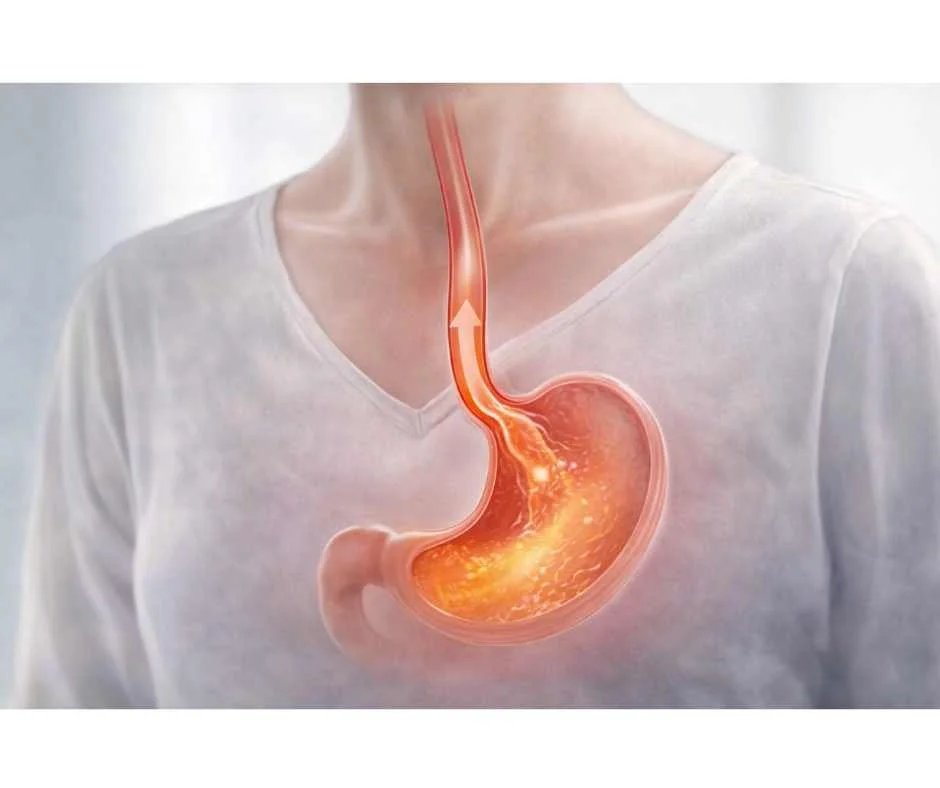
Read MoreHeartburn and acid reflux aren’t always caused by too much stomach acid. In many cases, reflux develops when digestion is impaired, stomach acid is too low, and the valve between the stomach and esophagus doesn’t function properly—creating symptoms that persist despite acid-suppressing treatment.
Read MoreChronic inflammation rarely comes from a single cause. Instead, it reflects the combined impact of gut health, diet quality, stress, sleep, environmental exposures, and immune regulation over time. This article explores what reduces inflammation naturally by examining the root factors that influence inflammatory load—before relying on symptom suppression or medication-based approaches.
Read MoreAntibiotics are sometimes necessary—but they can disrupt the gut microbiome long after treatment ends. Learn how antibiotics affect digestion, immunity, and the gut-brain axis, and how a functional medicine approach can help restore balance and prevent long-term dysbiosis.
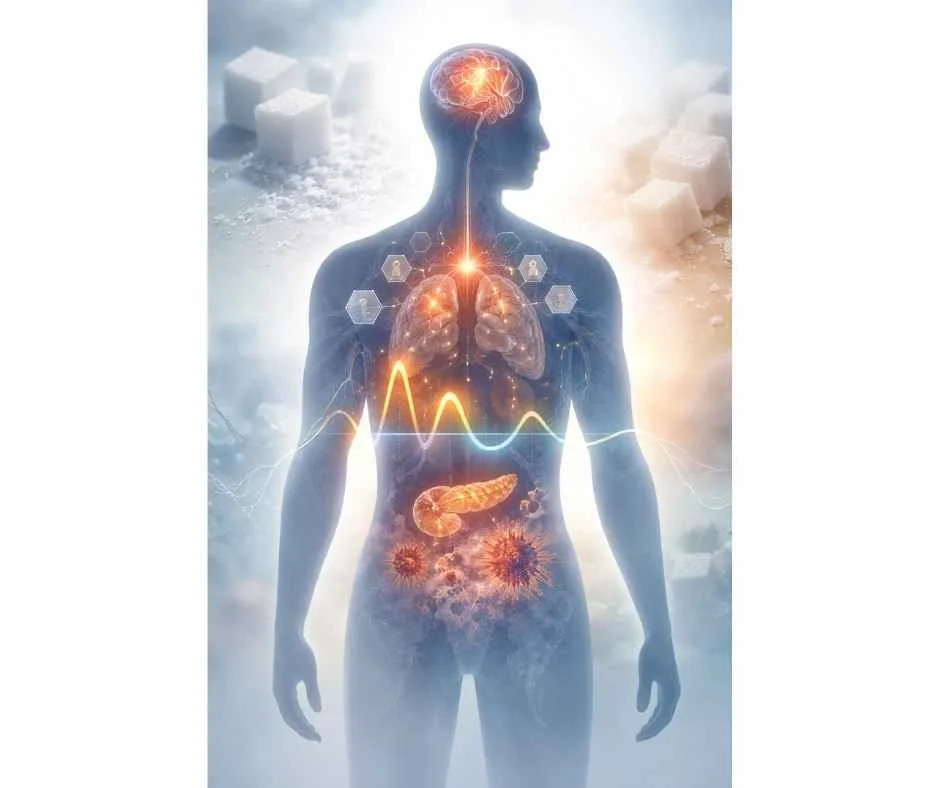
Read MoreAdded sugar is not just empty calories—it is a metabolic stressor that disrupts blood sugar regulation, hormones, energy production, and inflammatory balance long before disease appears on standard labs.
Read MoreGluten intolerance and celiac disease can trigger immune-mediated damage to the intestinal lining, impair nutrient absorption, and drive systemic inflammation. This in-depth guide explains how gluten disrupts the gut–immune interface and why lasting recovery requires more than simply going gluten-free.
Read More