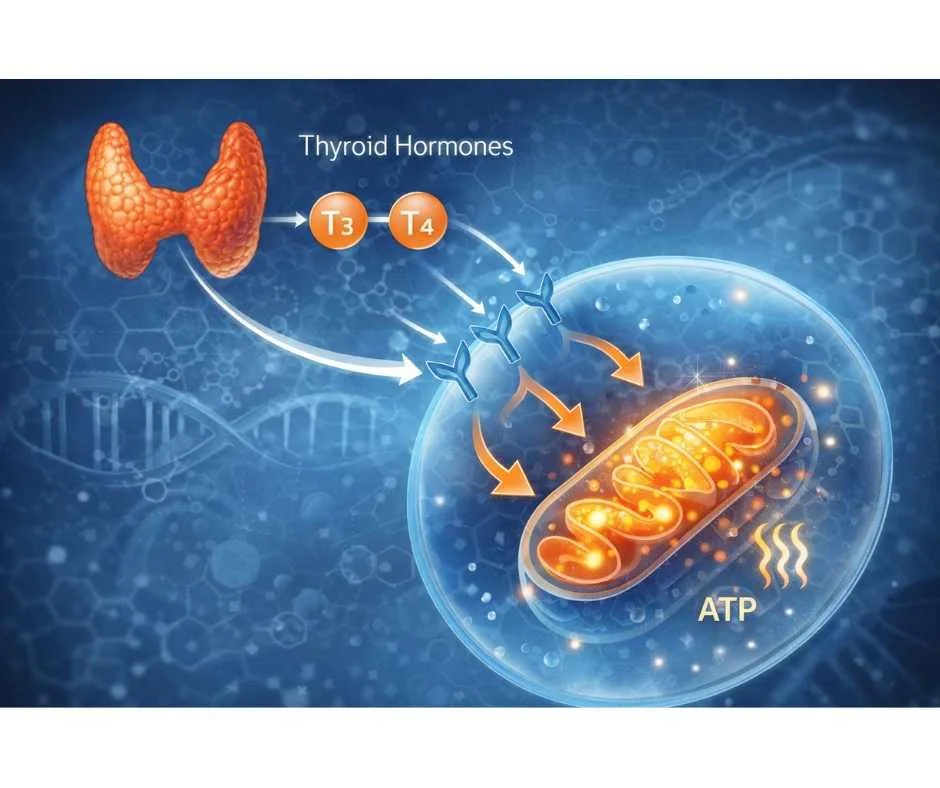
Weight loss resistance is one of the most frustrating—and misunderstood—effects of hypothyroidism. This article explains how thyroid signaling alters metabolism, energy conservation, stress hormones, and fat oxidation, making traditional diet and exercise strategies ineffective despite consistent effort.
Read MoreOxytocin interacts with cortisol, insulin, estrogen, progesterone, testosterone, appetite, and the stress response. These connections can influence reproductive function, metabolism, sleep, sexual health, and how the body recovers from stress.

Read MoreHormonal birth control can control many PCOS/PMOS symptoms without correcting the metabolic, ovulatory, or androgen-related drivers underneath them. After stopping, irregular cycles, acne, hair changes, insulin resistance, and persistent anovulation can reveal which parts of the underlying pattern are still active.
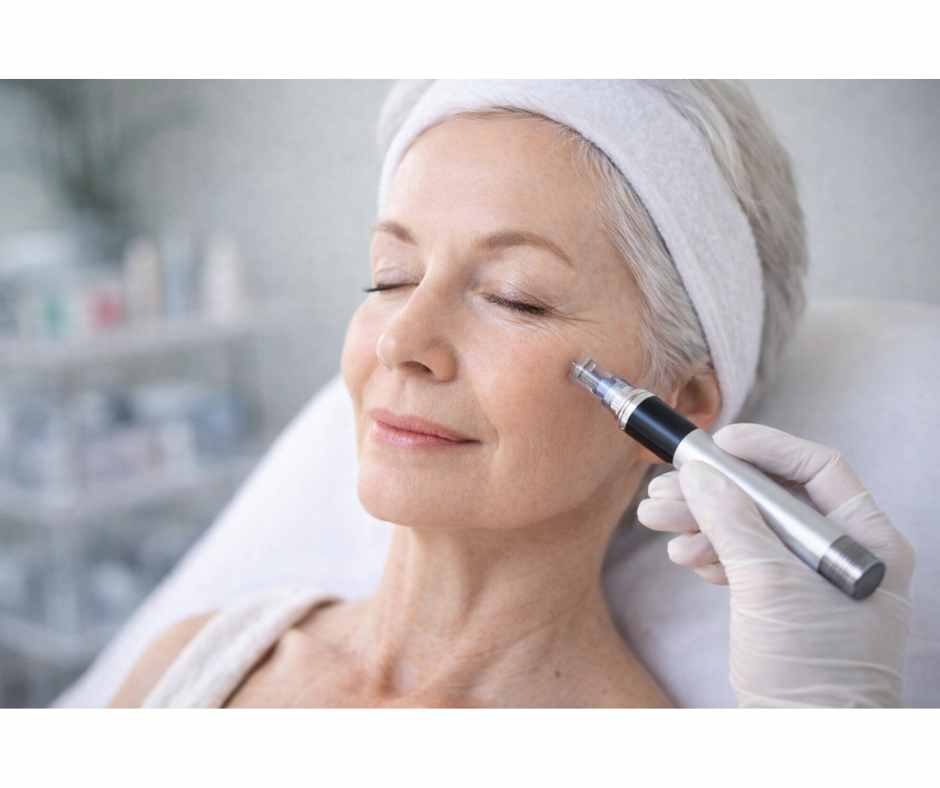
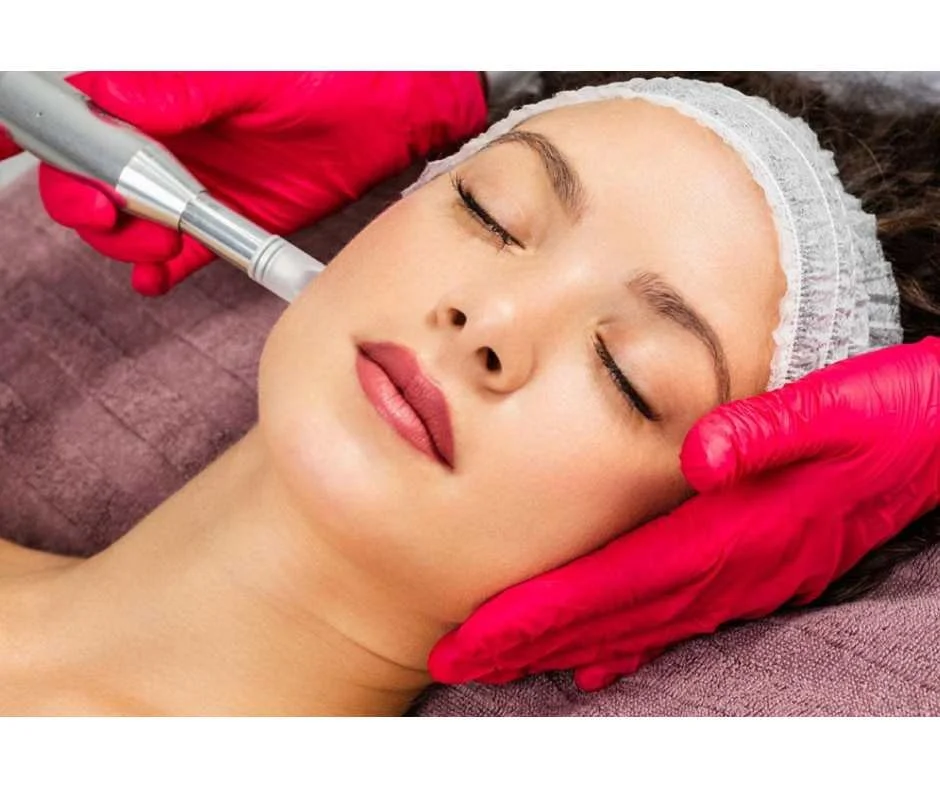
Read MoreAfter menopause, declining estrogen accelerates collagen loss, skin thinning, and reduced repair capacity. This article explains how microneedling supports collagen remodeling, improves firmness, and enhances skin texture in postmenopausal skin—without surgery or synthetic fillers.
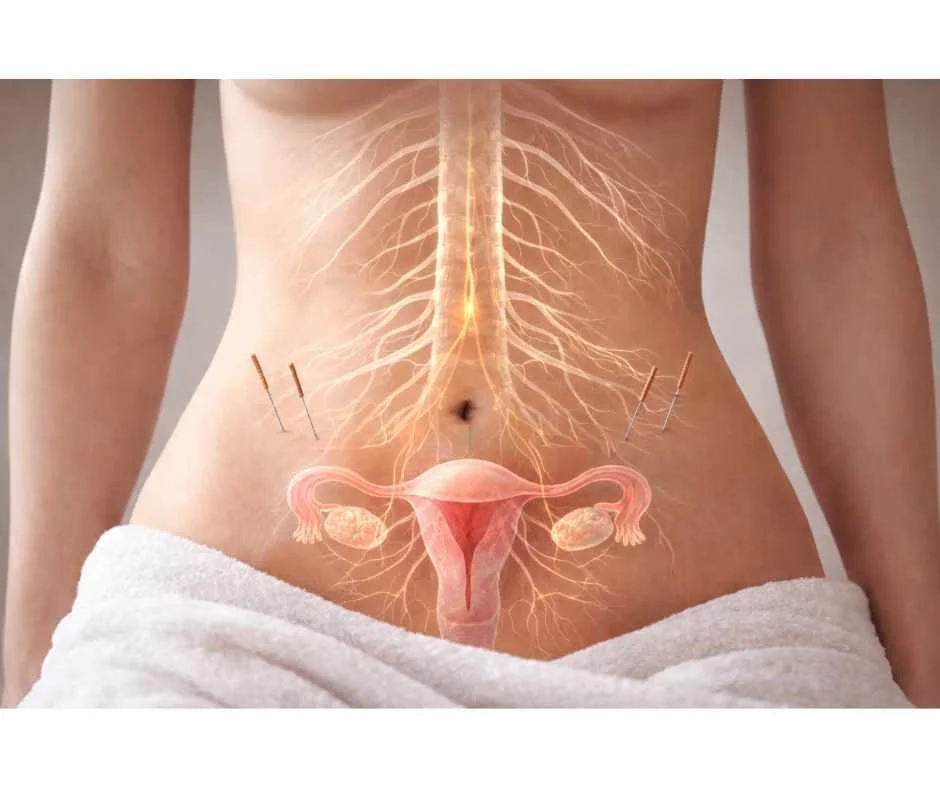
Read MoreAcupuncture for PCOS/PMOS can influence ovulation, menstrual cycle regulation, androgen activity, insulin resistance, sympathetic nervous system activity, and stress physiology. Treatment is most effective when these reproductive, metabolic, and neuroendocrine patterns are evaluated together.
Read MoreEstrogen dominance is a functional hormone imbalance that can occur even when lab results appear “normal.” It reflects a loss of balance between estrogen, progesterone, and the body’s ability to metabolize and eliminate estrogen effectively. When this regulation breaks down, symptoms such as heavy periods, PMS, anxiety, sleep disruption, and weight changes often intensify rather than resolve on their own.
Read MoreThyroid dysfunction can affect ovulation, progesterone production, implantation, pregnancy, and fertility. Hypothyroidism, Hashimoto’s thyroiditis, thyroid antibodies, TSH, and IVF each have different implications for fertility evaluation and treatment.
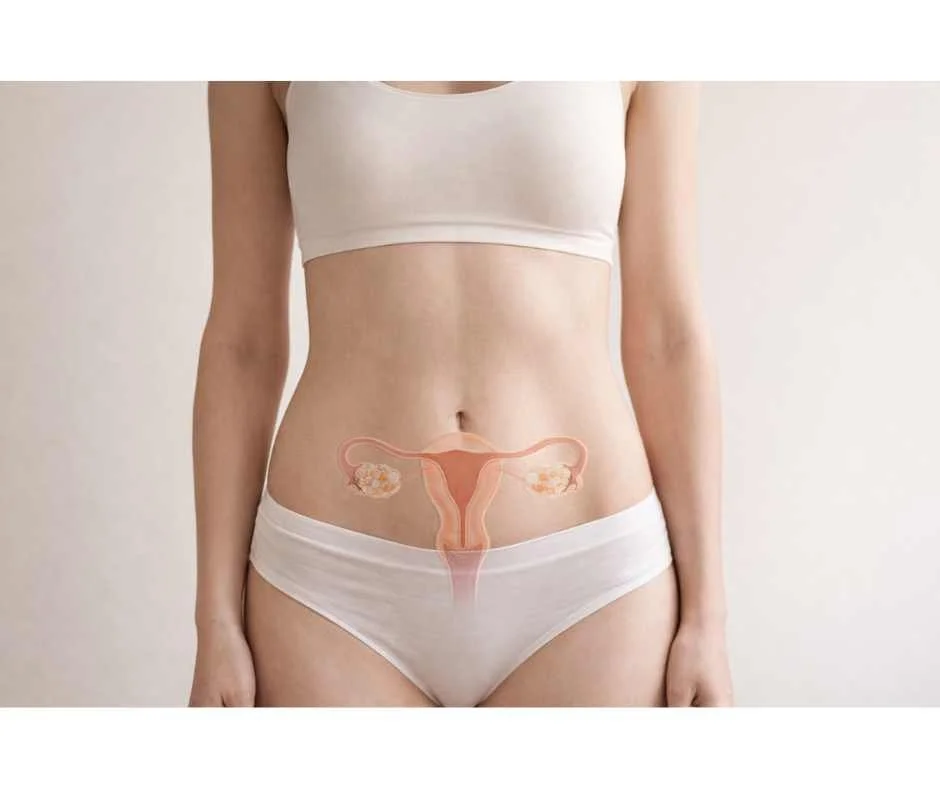
Read MoreEndometriosis is a chronic inflammatory condition driven by immune dysfunction, progesterone resistance, and hormone signaling disruption. Symptoms often persist despite normal labs and conventional treatment.nt.
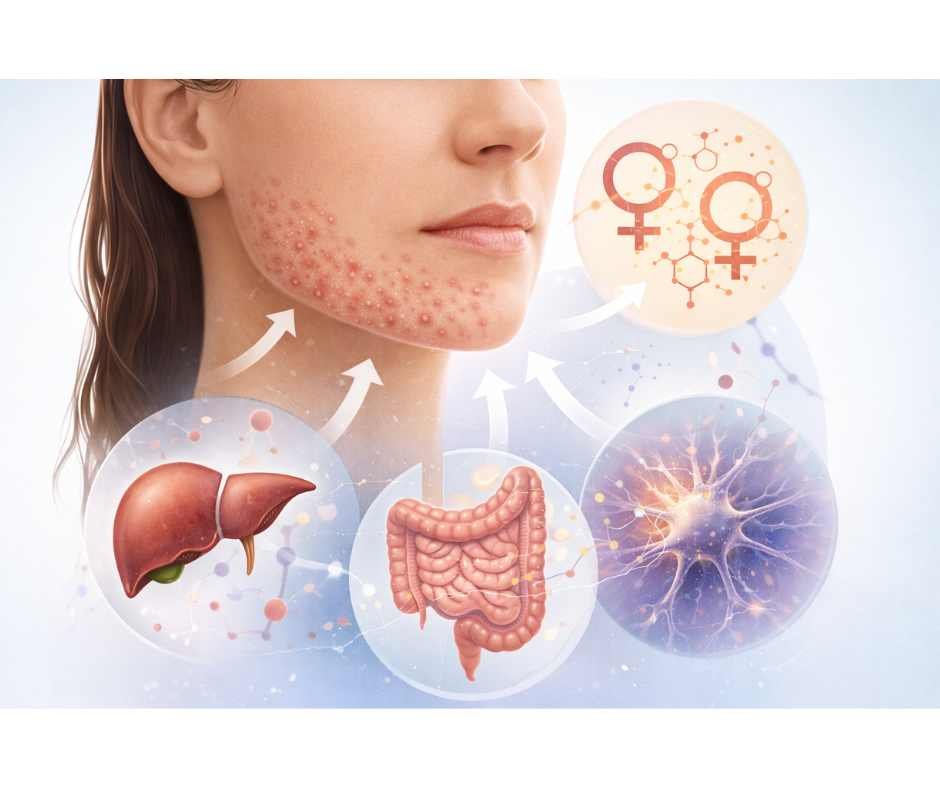
Read MoreAdult acne often reflects deeper physiologic drivers rather than surface skin problems alone. Hormonal signaling, gut–skin axis disruption, inflammation, metabolic stress, detoxification pathways, and nervous system regulation can interact to drive persistent breakouts and treatment-resistant acne patterns.
Read MorePCOS can arise from different biological drivers including insulin resistance, inflammation, adrenal hormone signaling, and hormonal suppression after birth control. Understanding the four types of PCOS helps explain why symptoms develop and why treatment responses differ.
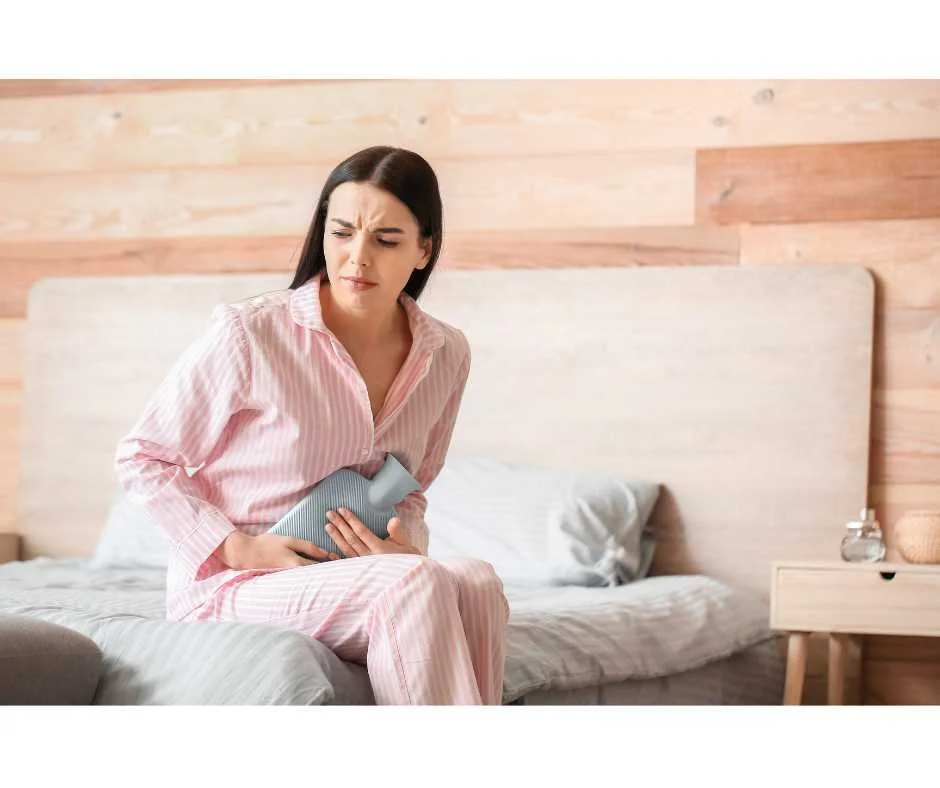
Read MorePMS symptoms such as mood changes, fatigue, bloating, and anxiety are often dismissed as a normal part of the menstrual cycle. Persistent premenstrual symptoms more often reflect hormonal imbalance, ovulatory dysfunction, stress physiology, and metabolic strain. A root-cause approach can help restore more stable, predictable cycles.
Read MoreMicroneedling stimulates collagen regeneration to improve skin texture, scars, and tone through controlled micro-stimulation of the skin’s natural repair response. Collagen induction therapy supports skin remodeling, resilience, and long-term skin health.
Read MoreIntegrative breast cancer care takes a whole-systems approach to recovery, addressing metabolism, hormone balance, immune resilience, detoxification, and nervous system regulation to support long-term physiological stability after diagnosis and treatment.
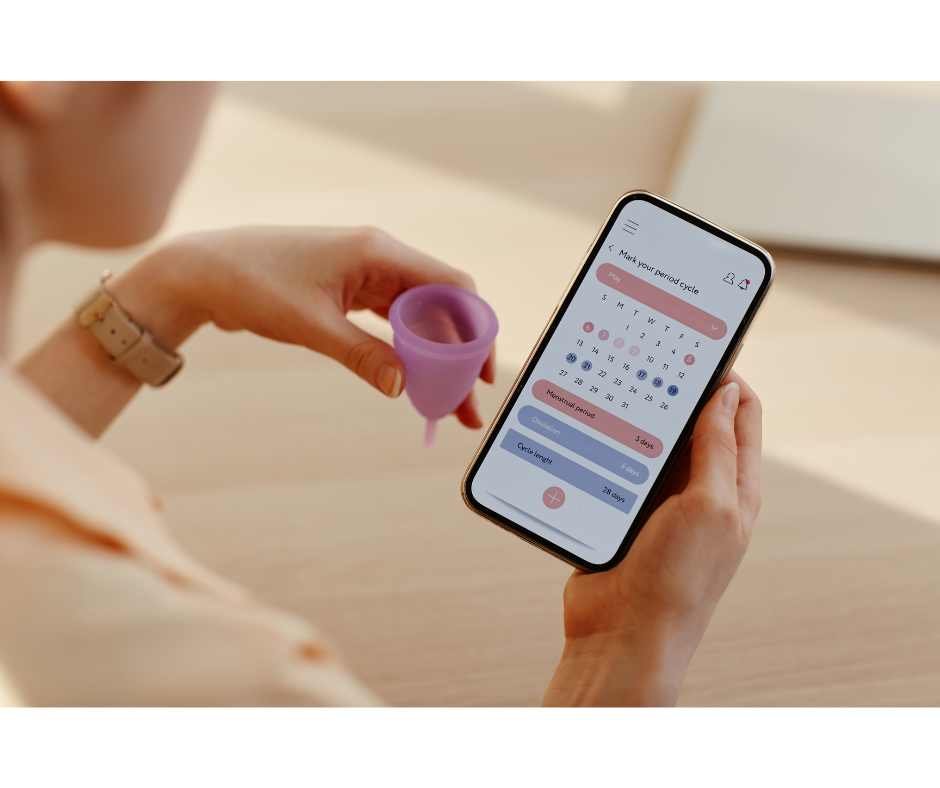
Read MoreNon-hormonal birth control explained. Discover how fertility awareness, ovulation tracking, and hormone-free methods prevent pregnancy without suppressing your natural cycle.
Read More