Poor sleep is not just a lifestyle inconvenience—it is a systems-level disruption that affects hormones, metabolism, gut health, immune balance, and mental resilience long before disease develops.
Read More

Poor sleep is not just a lifestyle inconvenience—it is a systems-level disruption that affects hormones, metabolism, gut health, immune balance, and mental resilience long before disease develops.
Read MoreWeight loss resistance is often driven by deeper physiologic regulation—not effort. This article explains why weight loss can stall despite healthy habits using a functional medicine, root-cause framework.
Read MoreSmoking cessation reflects changes in brain chemistry, detoxification pathways, and nervous system regulation. These mechanisms explain why quitting is difficult and what supports long-term stability.
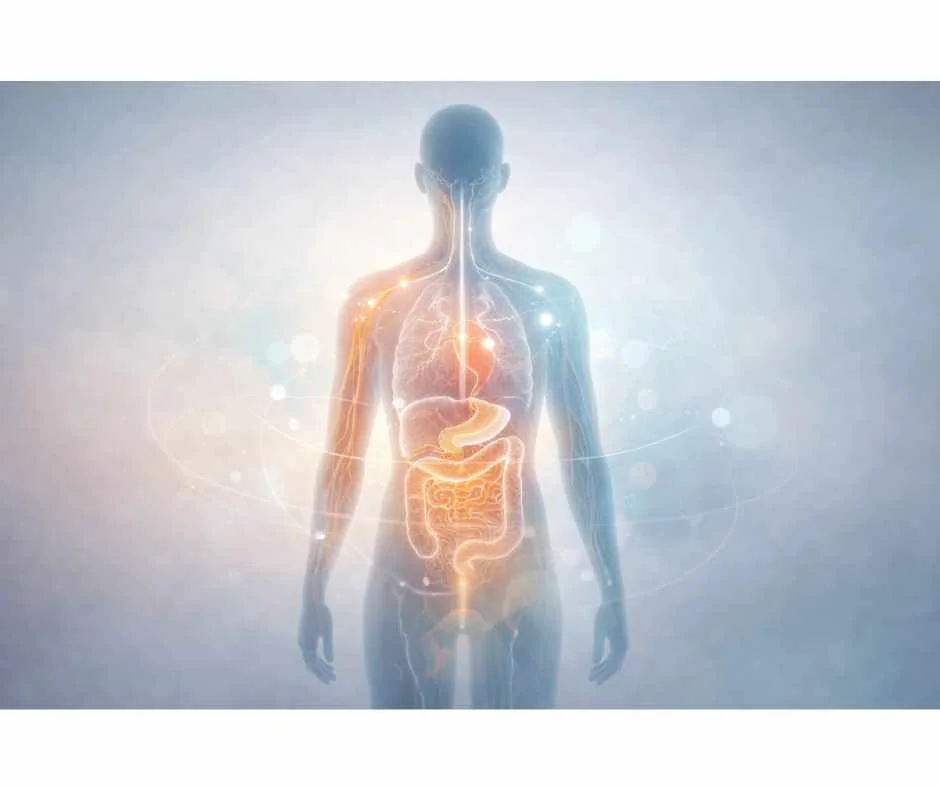
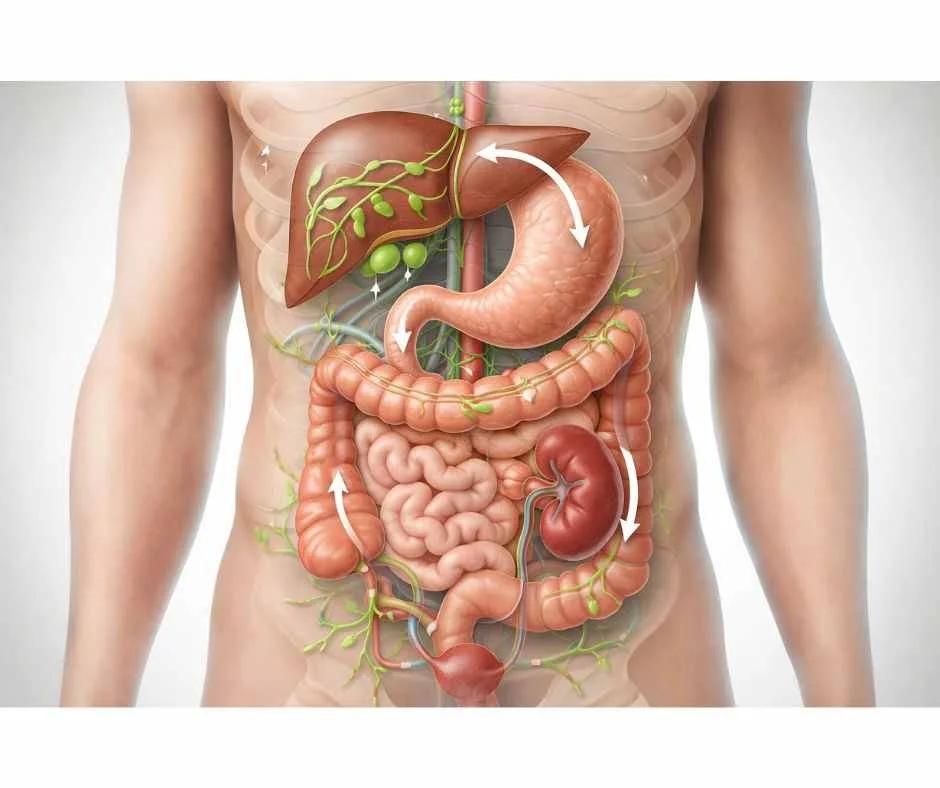
Read MoreDetoxification depends on coordinated liver, gut, kidney, lymphatic, and nervous system function. When detox pathways and elimination capacity are impaired, toxins may accumulate and contribute to fatigue, brain fog, and other chronic symptoms.
Read MoreIntermittent fasting supports weight loss, insulin sensitivity, metabolic flexibility, and healthy aging by shifting how the body accesses stored energy. Key benefits, safety considerations, and when a root-cause approach is necessary are outlined.
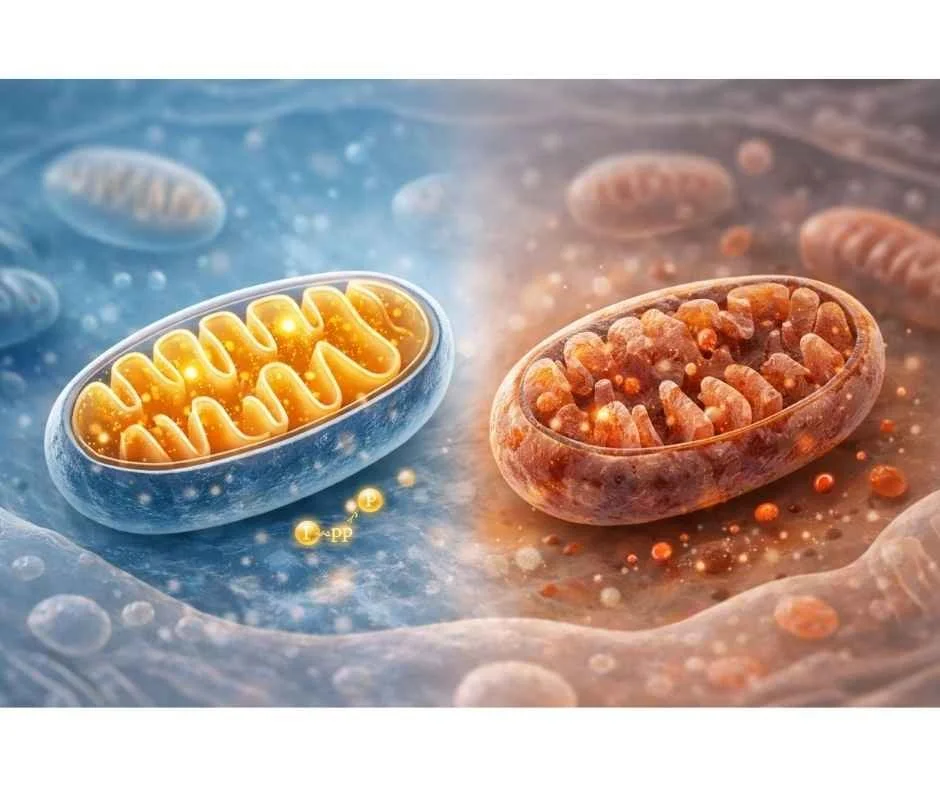
Read MoreMitochondrial function plays a central role in how the body produces energy, adapts to stress, and ages over time. This article explains how cellular energy regulation influences fatigue, metabolic health, and chronic disease—and why symptoms often appear long before standard tests detect a problem.
Read MoreMicroneedling stimulates collagen regeneration to improve skin texture, scars, and tone through controlled micro-stimulation of the skin’s natural repair response. Collagen induction therapy supports skin remodeling, resilience, and long-term skin health.
Read MoreRed light therapy for skin uses photobiomodulation to support collagen production, cellular repair, and inflammation regulation. Medical-grade treatments may help improve skin resilience, healing, and recovery.
Read MoreMetabolic syndrome reflects systemic metabolic dysfunction driven by insulin resistance and inflammation. Identify early warning signs and restore metabolic regulation naturally.
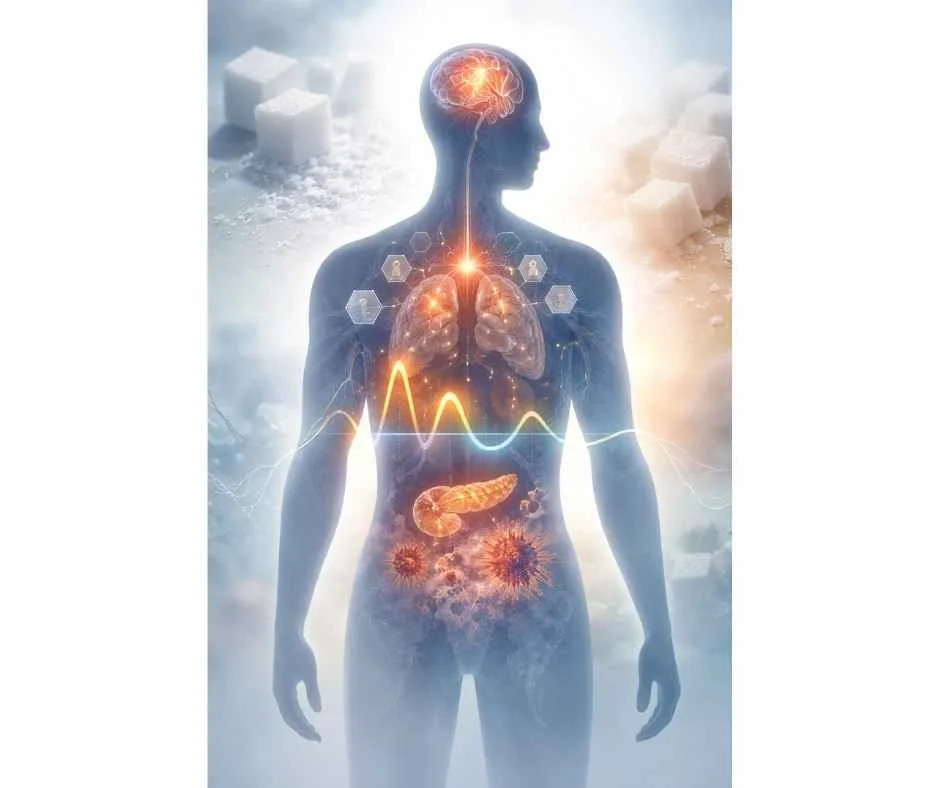
Read MoreAdded sugar is not just empty calories—it is a metabolic stressor that disrupts blood sugar regulation, hormones, energy production, and inflammatory balance long before disease appears on standard labs.
Read MoreIntermittent fasting can improve insulin sensitivity and fat loss when applied appropriately—but it can also increase stress, cravings, and hormonal disruption when mismatched to your physiology. This guide explains who benefits, when fasting backfires, and how to implement it safely.
Read MoreNAD+ decline is a central driver of reduced cellular energy, cognitive slowing, and biological aging. As this critical coenzyme decreases, mitochondrial efficiency, DNA repair capacity, and metabolic flexibility begin to weaken. While NAD+ injections have gained attention, raising levels alone does not correct the underlying drivers of depletion such as inflammation, oxidative stress, and metabolic strain. Understanding the balance between NAD+ supply and demand helps explain why fatigue, brain fog, and slower recovery often emerge in midlife—and what truly restores long-term cellular resilience.
Read More