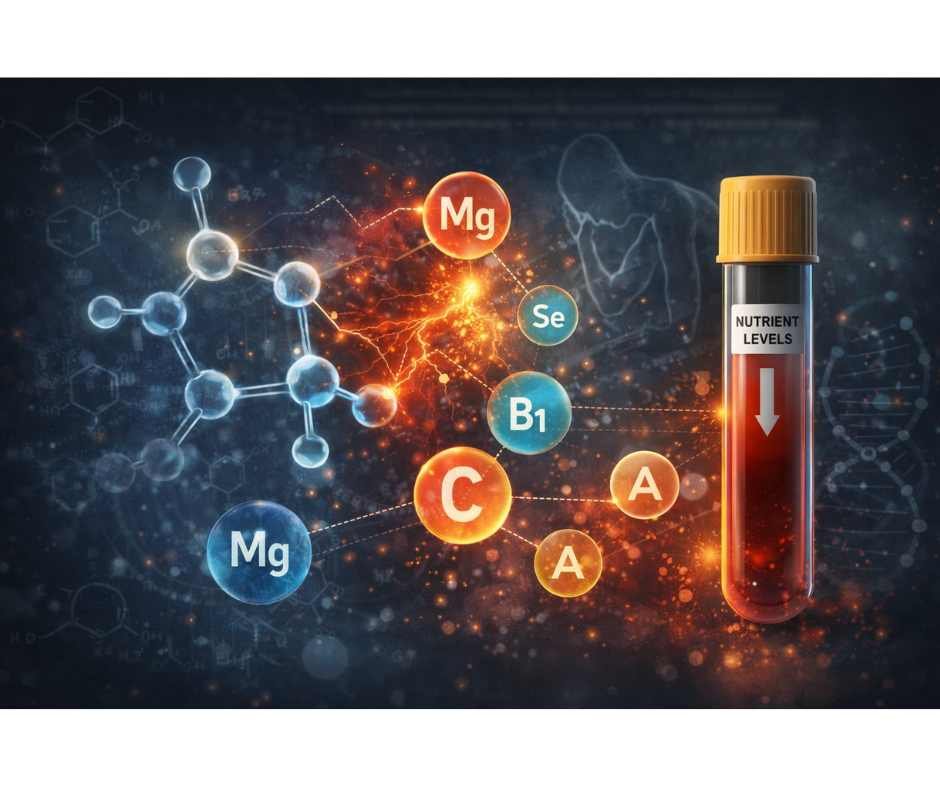
Alcohol disrupts digestion, liver metabolism, and detoxification pathways—quietly depleting essential vitamins and minerals over time. This article explains how alcohol-related nutrient deficiencies develop, which nutrients are most affected, how symptoms often appear despite normal labs, and why a systems-based clinical approach matters for long-term health.
Iodine plays a critical yet often overlooked role in breast health. This article explores how iodine supports estrogen balance, protects breast tissue, reduces fibrocystic breast changes, and may influence long-term breast cancer risk—while examining iodine deficiency, halide toxicity, dosing considerations, and clinical testing through a functional medicine lens.
Hormonal symptoms often persist despite “normal” blood work. This article explains how advanced functional lab testing—including DUTCH hormone testing, micronutrient analysis, toxin screening, and gut assessments—identifies the root causes of hormone imbalance and guides personalized BHRT and integrative care.
Detoxification is not a cleanse or a temporary diet—it is a complex, continuous biological process that depends on liver function, nutrient status, gut health, and safe elimination pathways. This in-depth guide explains how detoxification actually works, outlines the three phases of liver detox, and shows how to reduce toxic load safely without triggering detox reactions or re-toxification.
Endocrine-disrupting chemicals (EDCs) are hidden in everyday products—from food packaging and personal care items to tap water and household cleaners. Learn how these toxins interfere with hormone signaling, increase disease risk, and what practical steps can help reduce exposure and protect long-term hormonal health.
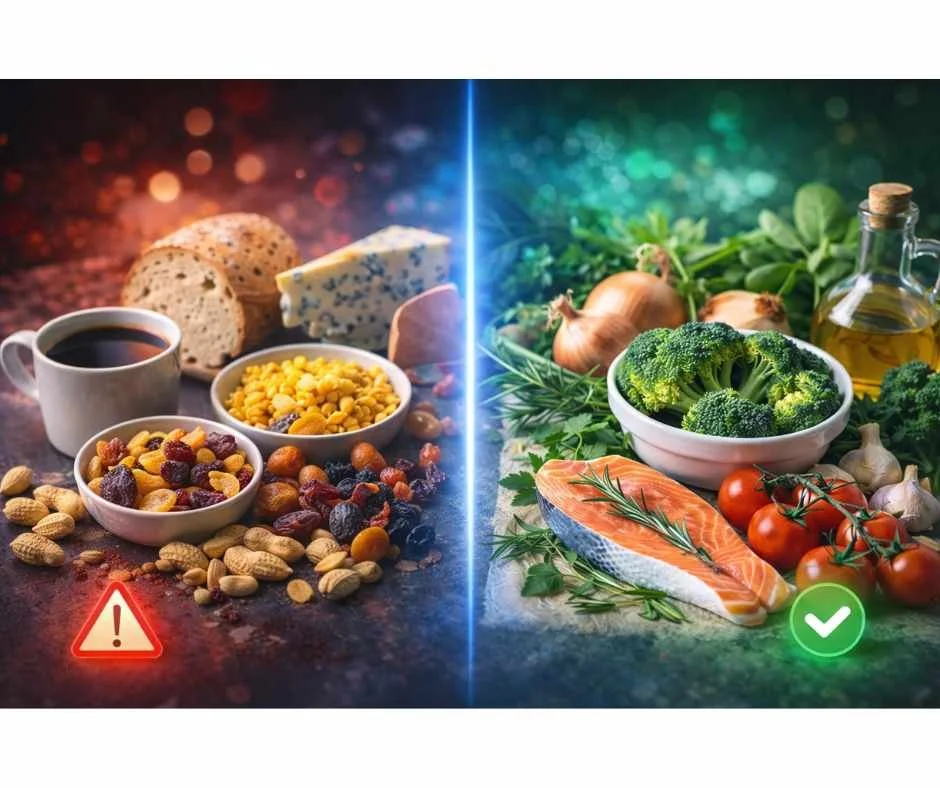
Food is a frequently overlooked source of mycotoxin exposure during mold illness. This article explains which foods increase inflammatory and toxic burden, which foods are generally well tolerated, and how strategic nutrition supports recovery when combined with appropriate environmental and clinical care.
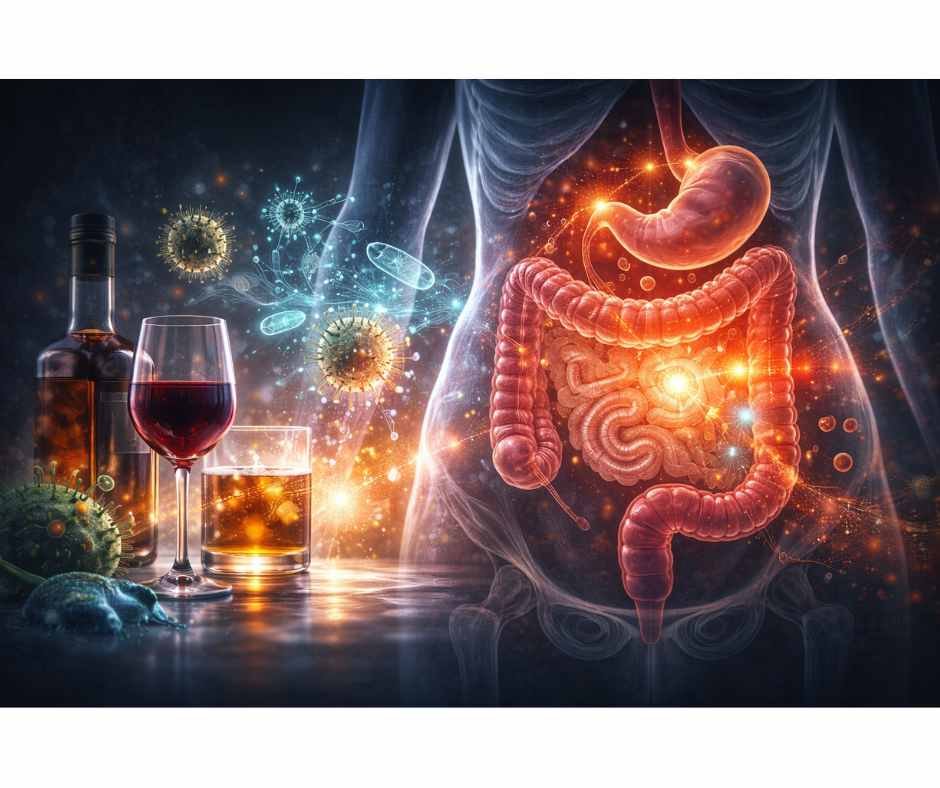
Alcohol disrupts the gut microbiome, damages intestinal barrier integrity, and drives systemic inflammation through the gut–brain axis. This article explains how alcohol affects gut health, why symptoms often occur without digestive complaints, and why a systems-based clinical approach matters for long-term health.
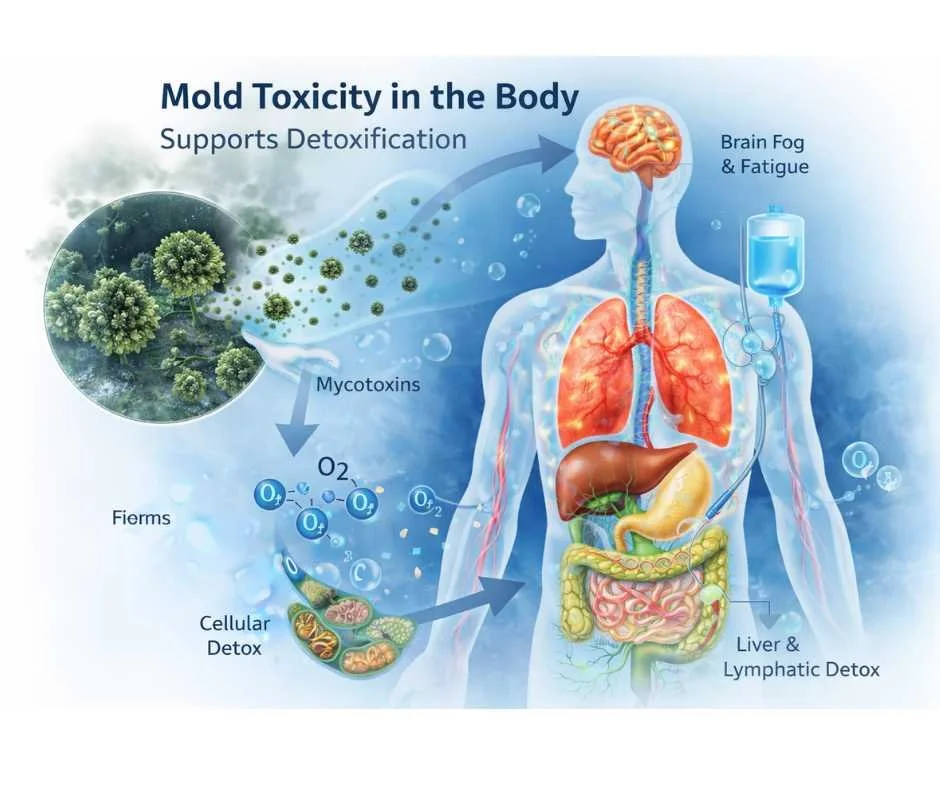
Chronic mold exposure can quietly disrupt immune regulation, fuel inflammation, and contribute to long-term, multi-system health issues. Learn how mold toxicity affects the body over time and why it is often overlooked.
Seed oils are everywhere in modern foods, yet most people don’t realize how often they consume them. This article explains what seed oils are, where they hide, and which everyday fat swaps can help reduce exposure without overthinking your diet.
Leaky gut syndrome—also known as increased intestinal permeability—can drive inflammation, immune dysfunction, and chronic symptoms throughout the body. Learn how to heal at the root cause.
Mold illness can disrupt oxygen utilization, immune balance, and detox capacity. Learn how medical ozone therapy may support recovery when used carefully within a comprehensive mold treatment plan.
Unexplained fatigue, allergies, brain fog, or chronic inflammation may be signs of mold toxicity. Learn how mycotoxins affect the body and why detox sequencing matters.
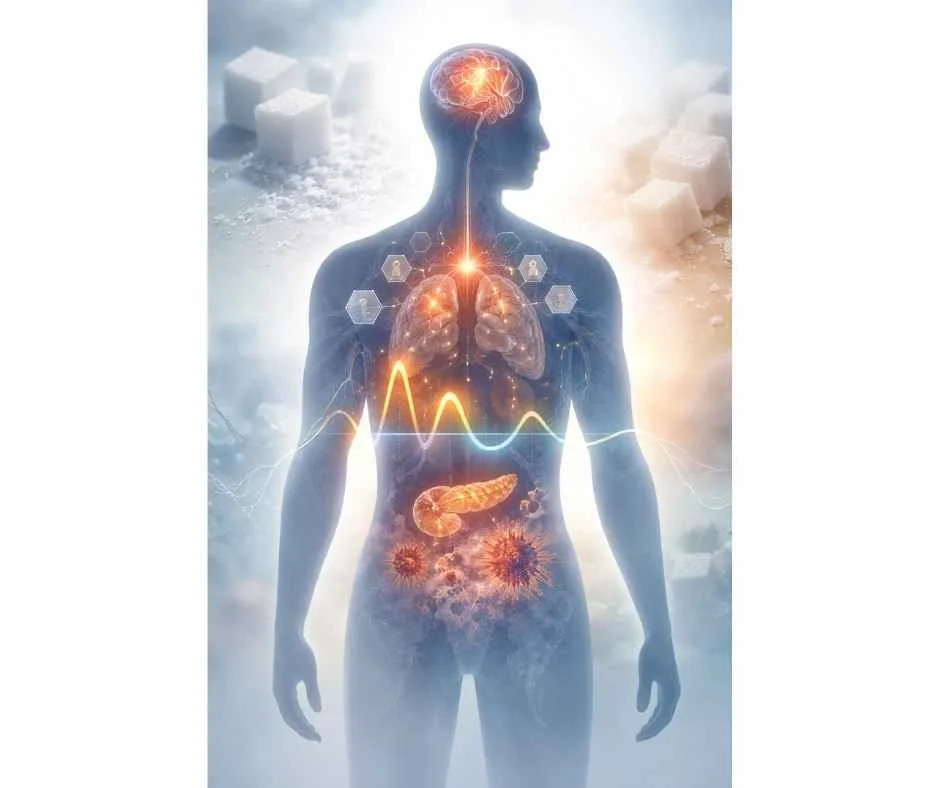
Added sugar is not just empty calories—it is a metabolic stressor that disrupts blood sugar regulation, hormones, energy production, and inflammatory balance long before disease appears on standard labs.
Everyday household products can expose you to hidden chemicals through the air you breathe and the products you use on your skin. This guide explains common sources of indoor and household toxin exposure—and practical ways to reduce unnecessary chemical load at home.