Cancer progression is strongly influenced by metabolic dysfunction. Insulin resistance, chronic inflammation, and mitochondrial impairment shape tumor biology and long-term cancer risk.
Read More

Cancer progression is strongly influenced by metabolic dysfunction. Insulin resistance, chronic inflammation, and mitochondrial impairment shape tumor biology and long-term cancer risk.
Read MoreWhy mold detox symptoms worsen during a Herxheimer reaction and what it means for detox pacing and recovery stability.
Read MoreWhy does the United States spend more on healthcare than any other nation yet struggle with chronic disease outcomes? This in-depth analysis explores the limitations of symptom-based medicine and explains how systems-based, root-cause care offers a more sustainable path forward.
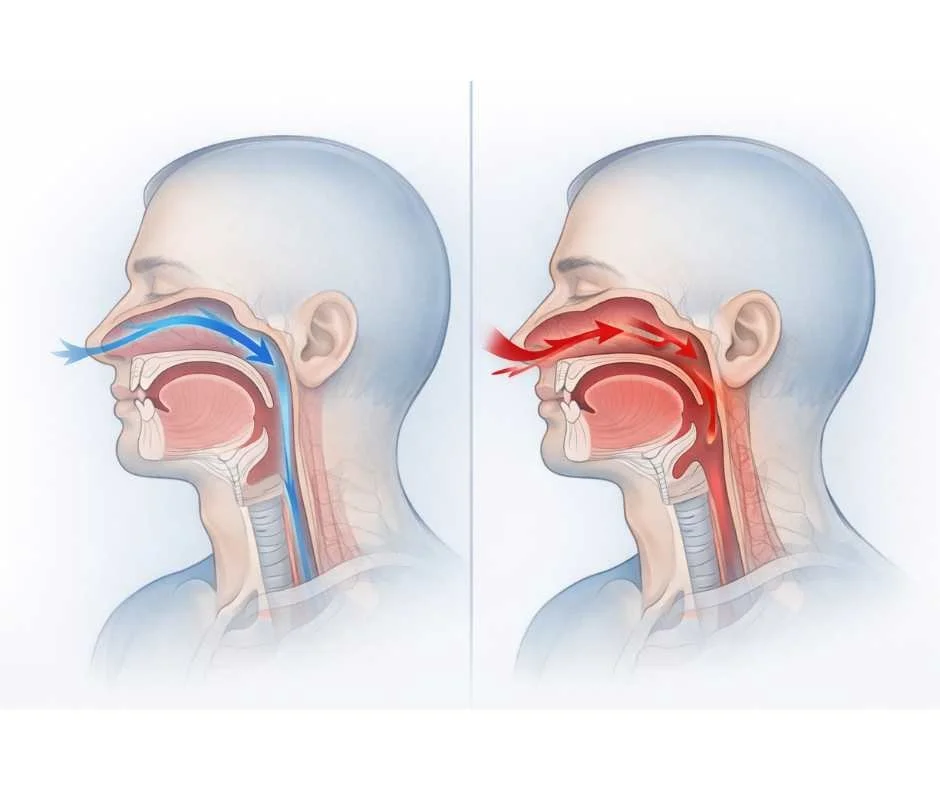
Read MoreBreathing is automatic—but the pattern you rely on directly influences oral health, sleep quality, inflammation, and whole-body regulation. Chronic mouth breathing is associated with dry mouth, cavities, gum disease, fragmented sleep, and reduced nitric oxide availability, while nasal breathing supports a balanced oral microbiome, efficient oxygen delivery, and autonomic stability.
Read MoreHidden toxins in food often enter through farming, processing, packaging, and water exposure. Learn how to shop smarter, choose organic wisely, filter water effectively, and reduce toxic burden with practical detox strategies.
Read MoreTap water may contain PFAS, heavy metals, fluoride, pesticides, and pharmaceutical residues. Learn what’s in drinking water and how to reduce long-term exposure.
Read MoreCAFO-raised meat, lab-grown food technologies, and insect-derived ingredients are increasingly common—but rarely transparent. Part 3 of this food toxin series explores how industrial meat production and emerging food alternatives may impact hormones, gut health, immunity, and long-term metabolic resilience.
Read MoreModern food engineering introduces GMOs, glyphosate, Bt toxins, hexane-processed ingredients, and synthetic produce coatings into the food supply. These exposures may disrupt gut health, hormone signaling, detoxification capacity, and long-term metabolic resilience.
Read MoreAlcohol may help you fall asleep, but it disrupts REM sleep, circadian rhythm signaling, and nervous system regulation—leading to fragmented, non-restorative rest.
Read MoreTaking supplements does not guarantee absorption. Bioavailability determines whether nutrients reach circulation, enter cells, and produce measurable benefit. This article explains how delivery systems, excipients, gut health, and nutrient timing influence supplement effectiveness.
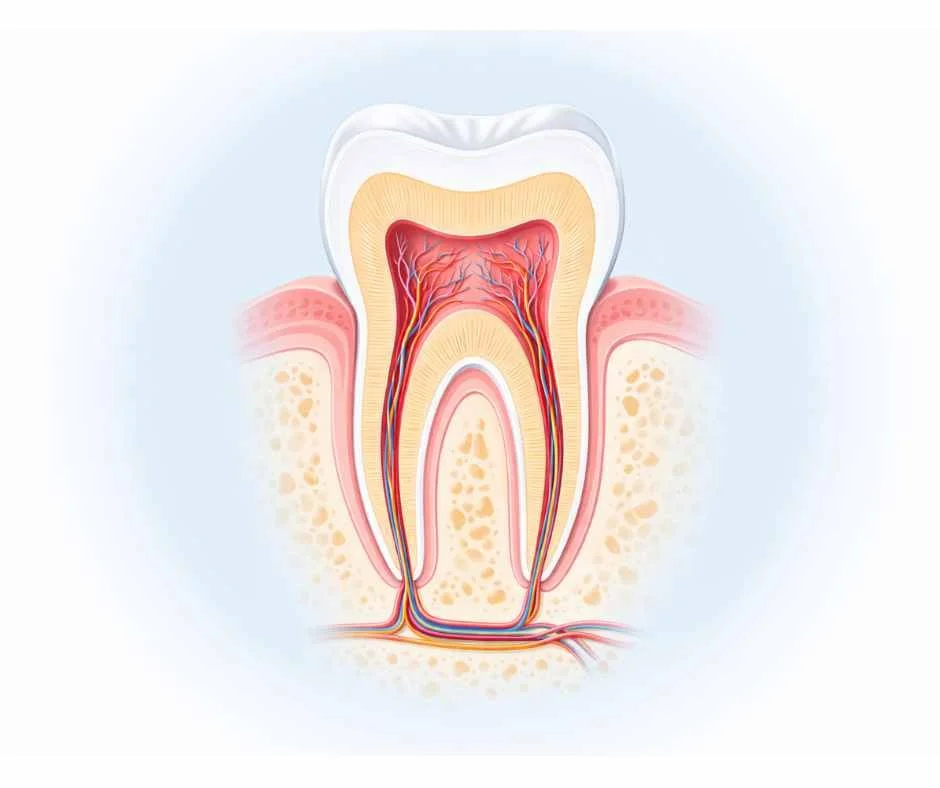
Read MoreRoot canal procedures are widely used to treat dental infection, but questions remain about their long-term biological impact. This article explores the potential health risks of root canal–treated teeth, including chronic inflammation, systemic disease correlations, and biological dentistry alternatives.
Read MoreThe AIP diet is a structured elimination protocol designed to reduce inflammatory triggers in autoimmune disease. Learn how it works, which foods are removed, how long elimination should last, and when deeper root-cause evaluation is needed.
Read MoreNot all dietary supplements are created equal. Learn how to identify high-quality, third-party tested supplements and avoid contamination, adulteration, and misleading formulations.
Read MoreIodine plays a critical yet often overlooked role in breast health. This article explores how iodine supports estrogen balance, protects breast tissue, reduces fibrocystic breast changes, and may influence long-term breast cancer risk—while examining iodine deficiency, halide toxicity, dosing considerations, and clinical testing through a functional medicine lens.
Read MoreFunctional hormone lab testing goes beyond symptoms and basic blood work to identify the root causes of hormonal imbalance. By evaluating hormone production, metabolism, stress physiology, nutrient status, toxic burden, and gut health, this approach supports accurate, personalized treatment decisions before intervention.
Read MoreMenopause is a natural transition—but persistent symptoms don’t have to be ignored. This guide explores how nutrition, movement, sleep, stress regulation, acupuncture, and integrative care support a healthier menopause, with or without hormone therapy.
Read MoreA functional medicine overview of bioidentical hormone replacement therapy (BHRT) for perimenopause and menopause, including hormone physiology, safety considerations, delivery methods, and individualized care.
Read MoreDetoxification is not a cleanse—it is a structured, three-phase physiological process. This guide explains how the liver processes toxins, why elimination matters, and how to detox safely without triggering symptoms.
Read MoreHeavy metal exposure often occurs quietly through food, water, air, and everyday products. Learn how toxic metals affect the body and how functional medicine safely addresses cumulative toxic burden.
Read MoreSleep apnea is a systemic condition that affects breathing, metabolism, inflammation, and nervous system regulation. This article explores how conventional treatment, functional medicine, and acupuncture can work together to support airway stability, sleep quality, and long-term health.
Read More