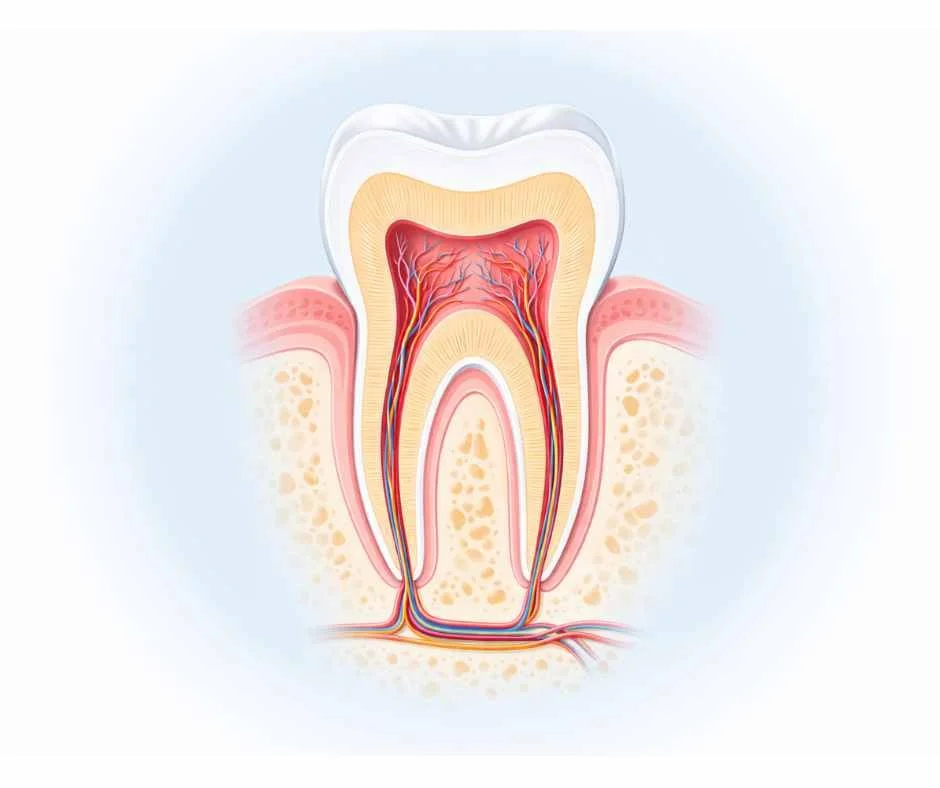

Chronic gum disease and oral microbiome imbalance are not isolated dental issues. Periodontal inflammation has been linked to cardiovascular disease, insulin resistance, cognitive decline, autoimmune disorders, and systemic inflammatory burden. A functional medicine approach evaluates the root drivers influencing both oral and whole-body health.
Read MoreChronic exposure to artificial electromagnetic fields and blue light disrupts circadian rhythm, increases oxidative stress, and impairs mitochondrial energy production. Understanding how modern light environments affect sleep, metabolism, and cellular resilience provides a practical framework for restoring long-term physiological stability.
Read MoreMercury amalgam fillings contain approximately 50% elemental mercury and continuously release low levels of mercury vapor. Over time, chronic exposure may contribute to neurological symptoms, immune dysregulation, hormonal imbalance, and increased oxidative stress. Understanding safe removal protocols and functional detox support is essential for reducing toxic burden without triggering symptom flares.
Read MoreShilajit benefits extend beyond traditional herbal use. Learn how purified Shilajit resin supports mitochondrial ATP production, testosterone balance, heavy metal detoxification, and cognitive resilience within a functional medicine framework.
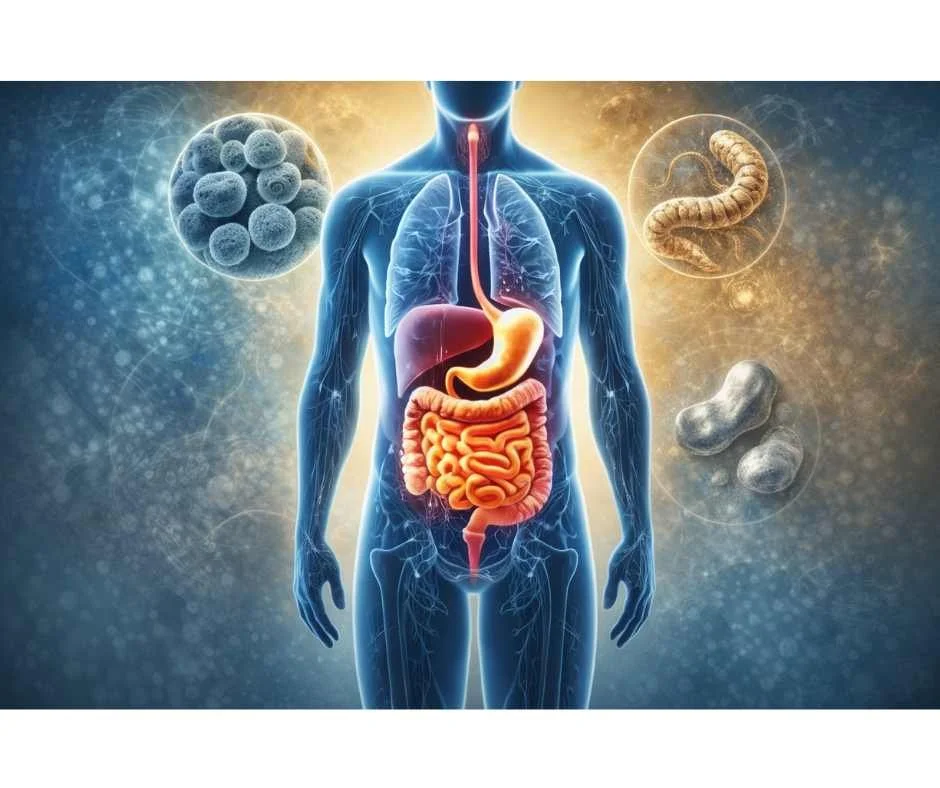
Read MoreCandida overgrowth, parasitic infections, and heavy metal toxicity often reinforce one another—creating a hidden connection that drives fatigue, brain fog, gut dysfunction, and chronic inflammation. Biofilms, immune suppression, and impaired detox pathways sustain this toxic cycle, requiring a systems-based approach that restores regulation and resilience rather than targeting one factor in isolation.
Read MoreCancer progression is strongly influenced by metabolic dysfunction. Insulin resistance, chronic inflammation, and mitochondrial impairment shape tumor biology and long-term cancer risk.
Read MoreWhy mold detox symptoms worsen during a Herxheimer reaction and what it means for detox pacing and recovery stability.
Read MoreWhy does the United States spend more on healthcare than any other nation yet struggle with chronic disease outcomes? This in-depth analysis explores the limitations of symptom-based medicine and explains how systems-based, root-cause care offers a more sustainable path forward.
Read MoreBreathing is automatic—but the pattern you rely on directly influences oral health, sleep quality, inflammation, and whole-body regulation. Chronic mouth breathing is associated with dry mouth, cavities, gum disease, fragmented sleep, and reduced nitric oxide availability, while nasal breathing supports a balanced oral microbiome, efficient oxygen delivery, and autonomic stability.
Read MoreHidden toxins in food often enter through farming, processing, packaging, and water exposure. Learn how to shop smarter, choose organic wisely, filter water effectively, and reduce toxic burden with practical detox strategies.
Read MoreTap water may contain PFAS, heavy metals, fluoride, pesticides, and pharmaceutical residues. Learn what’s in drinking water and how to reduce long-term exposure.
Read MoreEven organic and whole foods can contain microplastics and heavy metals. Learn which foods are highest risk and how to reduce cumulative toxic exposure.
Read MoreCAFO-raised meat, lab-grown food technologies, and insect-derived ingredients are increasingly common—but rarely transparent. Part 3 of this food toxin series explores how industrial meat production and emerging food alternatives may impact hormones, gut health, immunity, and long-term metabolic resilience.
Read MoreModern food engineering introduces GMOs, glyphosate, Bt toxins, hexane-processed ingredients, and synthetic produce coatings into the food supply. These exposures may disrupt gut health, hormone signaling, detoxification capacity, and long-term metabolic resilience.
Read MoreMany processed foods contain hidden additives, preservatives, seed oils, and GRAS-approved chemicals that influence gut health, metabolism, hormones, and long-term disease risk. Learn how to identify harmful ingredients and decode misleading food labels.
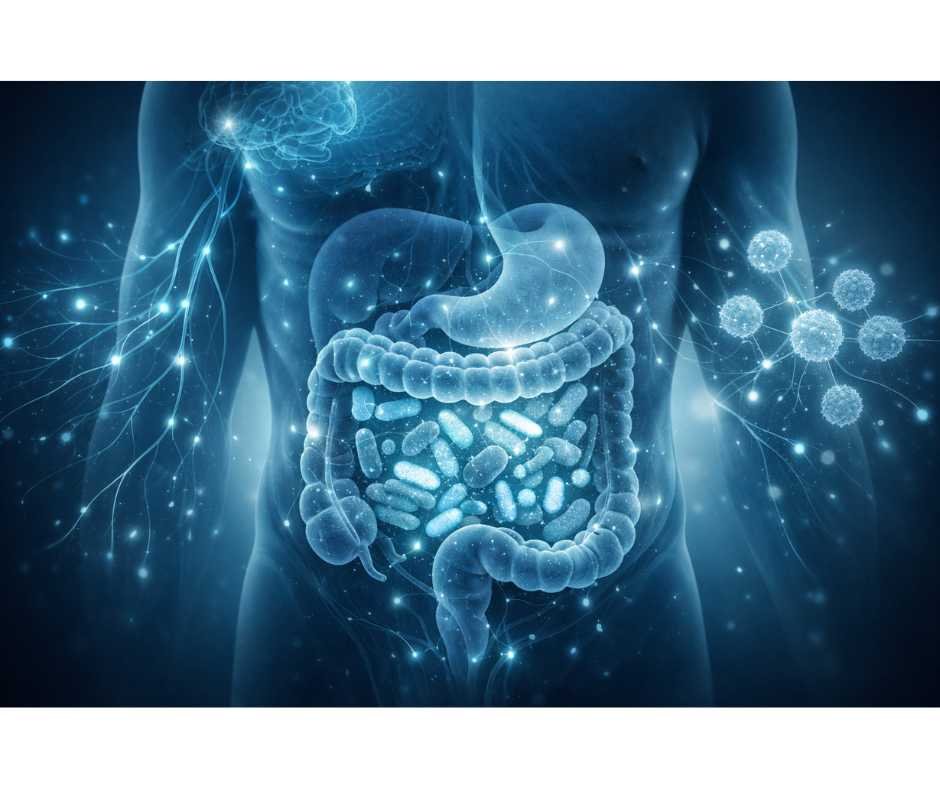
Read MoreGut dysbiosis is more than bloating or IBS. Learn how microbiome imbalance contributes to autoimmune disease, metabolic dysfunction, mood disorders, and how to restore gut health at the root.
Read MoreSeed oils are now a dominant source of dietary fat in modern diets, primarily consumed through ultra-processed foods and restaurant meals. As colorectal cancer rates rise—especially among younger adults—this article examines how seed oils, inflammation, gut health, and dietary patterns may influence long-term colon cancer risk within a prevention-focused framework.
Read MoreAlcohol may help you fall asleep, but it disrupts REM sleep, circadian rhythm signaling, and nervous system regulation—leading to fragmented, non-restorative rest.
Read MoreTaking supplements does not guarantee absorption. Bioavailability determines whether nutrients reach circulation, enter cells, and produce measurable benefit. This article explains how delivery systems, excipients, gut health, and nutrient timing influence supplement effectiveness.
Read MoreRoot canal procedures are widely used to treat dental infection, but questions remain about their long-term biological impact. This article explores the potential health risks of root canal–treated teeth, including chronic inflammation, systemic disease correlations, and biological dentistry alternatives.
Read More