Male infertility is more common than most couples realize. This evidence-informed guide explores causes, testing, and integrative strategies—including acupuncture and lifestyle support—to improve sperm health and fertility outcomes.
Read More

Male infertility is more common than most couples realize. This evidence-informed guide explores causes, testing, and integrative strategies—including acupuncture and lifestyle support—to improve sperm health and fertility outcomes.
Read MoreMigraines are more than headaches. This article explains the root causes of migraines and how a functional medicine approach—addressing gut health, hormones, nutrients, stress, and nervous system regulation—can support long-term relief.
Read MoreEndocrine-disrupting chemicals are widespread environmental toxins that interfere with hormone signaling, metabolism, thyroid function, and reproductive health—often without obvious symptoms.
Read MoreBone loss after menopause is not just about calcium or aging. Learn how hormone decline, digestion, inflammation, stress, and environmental exposures shape osteoporosis risk—and how a functional and Traditional Chinese Medicine approach supports resilient bone health.
Read MorePoor sleep is not just a lifestyle inconvenience—it is a systems-level disruption that affects hormones, metabolism, gut health, immune balance, and mental resilience long before disease develops.
Read MoreErectile dysfunction isn’t always caused by low testosterone. Learn how hormone imbalance, estrogen dominance, and metabolic health influence erectile function.
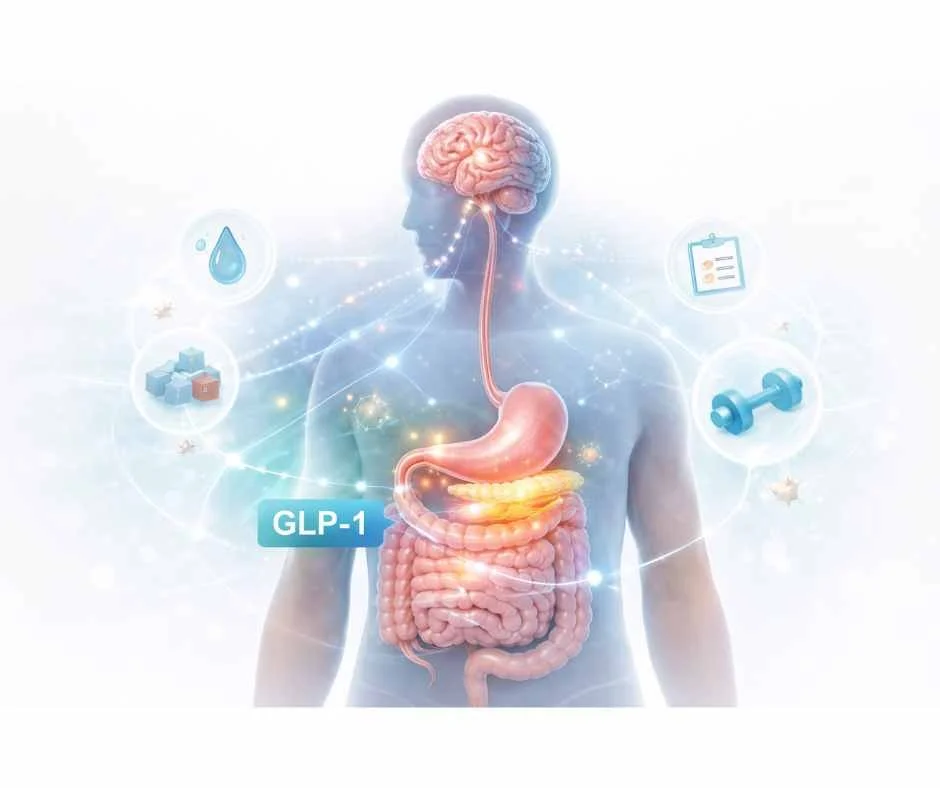
Read MoreOzempic and other GLP-1 medications can support weight loss and blood sugar control—but they don’t address the root causes of metabolic dysfunction. This article explores how GLP-1 agonists work, their potential benefits and risks, and what’s required for sustainable, long-term metabolic health.
Read MoreChronic stress alters thyroid hormone signaling through shared regulatory pathways in the brain. This article explains how adrenal stress physiology affects thyroid conversion, cellular responsiveness, and why symptoms can persist despite “normal” labs.
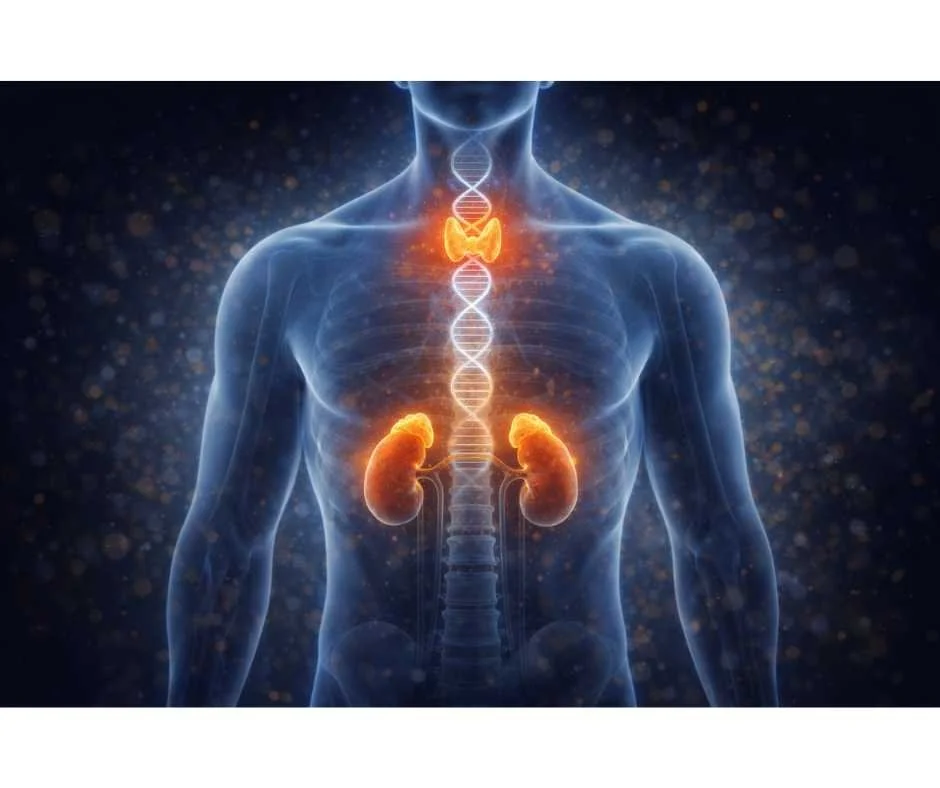
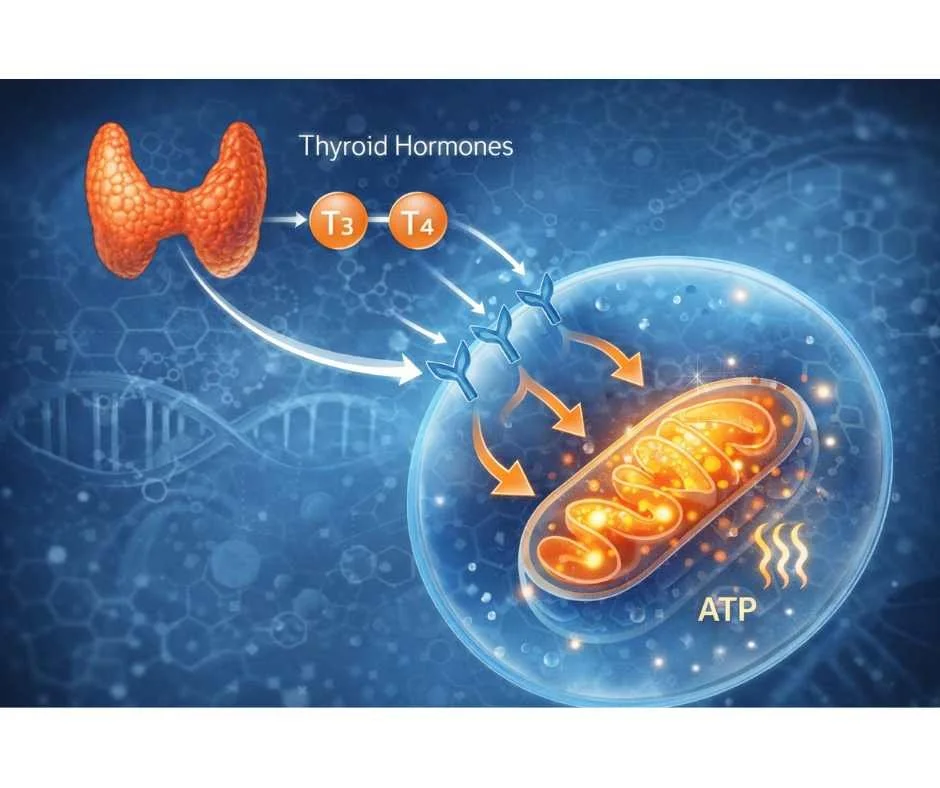
Read MoreThyroid hormones rely on gut integrity, immune regulation, and proper nutrient absorption to function at the cellular level. This article explains why thyroid symptoms often persist despite normal labs—and how gut health shapes thyroid regulation.
Read MoreHashimoto’s disease is not simply a thyroid problem—it is a progressive autoimmune condition shaped by immune dysfunction, gut health, environmental exposures, and stress physiology. This guide explains why symptoms often appear long before thyroid labs change and how a root-cause, systems-based approach reframes long-term care.
Read MoreWeight loss resistance is one of the most frustrating—and misunderstood—effects of hypothyroidism. This article explains how thyroid signaling alters metabolism, energy conservation, stress hormones, and fat oxidation, making traditional diet and exercise strategies ineffective despite consistent effort.
Read MoreOxytocin interacts with cortisol, insulin, estrogen, progesterone, testosterone, appetite, and the stress response. These connections can influence reproductive function, metabolism, sleep, sexual health, and how the body recovers from stress.
Read MoreHormonal birth control can control many PCOS/PMOS symptoms without correcting the metabolic, ovulatory, or androgen-related drivers underneath them. After stopping, irregular cycles, acne, hair changes, insulin resistance, and persistent anovulation can reveal which parts of the underlying pattern are still active.
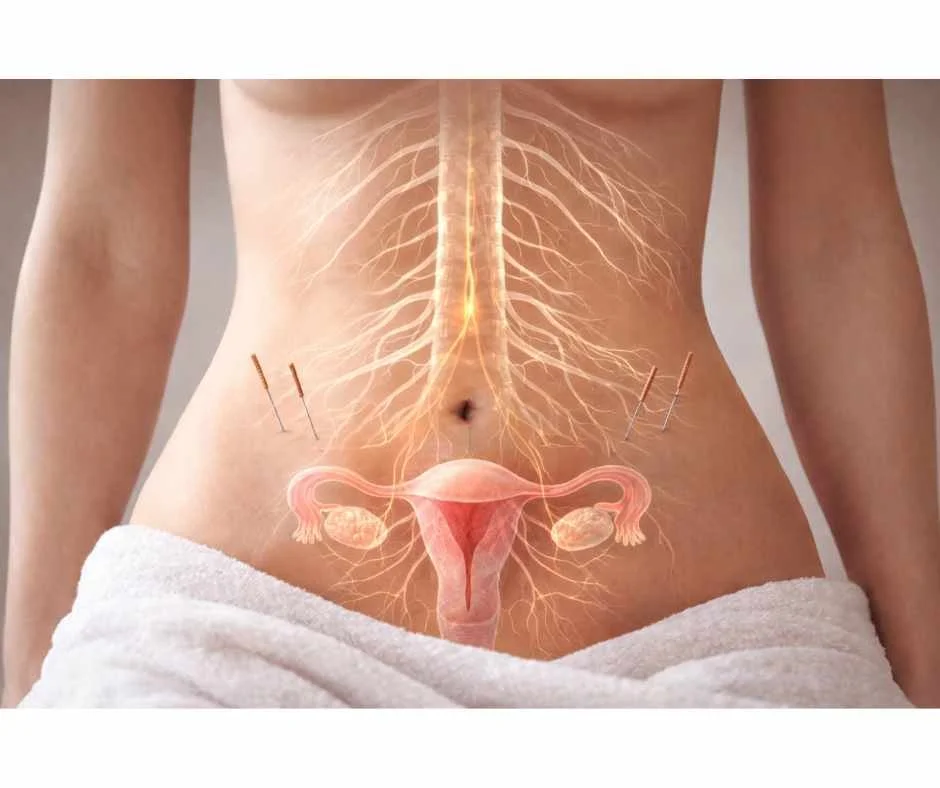
Read MoreAcupuncture for PCOS/PMOS can influence ovulation, menstrual cycle regulation, androgen activity, insulin resistance, sympathetic nervous system activity, and stress physiology. Treatment is most effective when these reproductive, metabolic, and neuroendocrine patterns are evaluated together.
Read MoreEstrogen dominance is a functional hormone imbalance that can occur even when lab results appear “normal.” It reflects a loss of balance between estrogen, progesterone, and the body’s ability to metabolize and eliminate estrogen effectively. When this regulation breaks down, symptoms such as heavy periods, PMS, anxiety, sleep disruption, and weight changes often intensify rather than resolve on their own.
Read MoreEndometriosis is a chronic inflammatory condition driven by immune dysfunction, progesterone resistance, and hormone signaling disruption. Symptoms often persist despite normal labs and conventional treatment.nt.
Read MoreFunctional medicine investigates the root causes of disease by examining how metabolism, gut health, hormones, inflammation, and environmental factors interact to influence chronic illness.
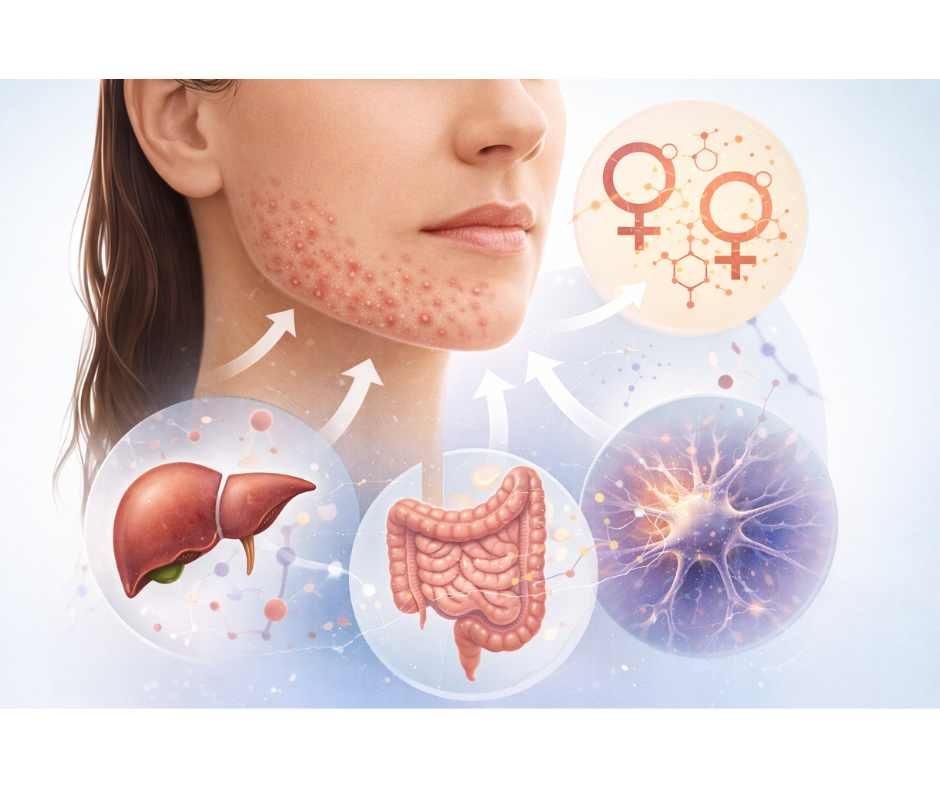
Read MoreAdult acne often reflects deeper physiologic drivers rather than surface skin problems alone. Hormonal signaling, gut–skin axis disruption, inflammation, metabolic stress, detoxification pathways, and nervous system regulation can interact to drive persistent breakouts and treatment-resistant acne patterns.
Read MorePMS symptoms such as mood changes, fatigue, bloating, and anxiety are often dismissed as a normal part of the menstrual cycle. Persistent premenstrual symptoms more often reflect hormonal imbalance, ovulatory dysfunction, stress physiology, and metabolic strain. A root-cause approach can help restore more stable, predictable cycles.
Read MoreIntegrative breast cancer care takes a whole-systems approach to recovery, addressing metabolism, hormone balance, immune resilience, detoxification, and nervous system regulation to support long-term physiological stability after diagnosis and treatment.
Read More