
Acid Reflux Causes: Why Heartburn Isn’t Always Too Much Acid

Heartburn and acid reflux aren’t always caused by too much stomach acid. In many cases, reflux develops when digestion is impaired, stomach acid is too low, and the valve between the stomach and esophagus doesn’t function properly—creating symptoms that persist despite acid-suppressing treatment.

Read More

Integrative Breast Cancer Care: A Holistic, Terrain-Based Approach

Breast cancer develops within a complex biological terrain shaped by metabolism, hormones, immune regulation, detoxification, and chronic stress. This article explores how a holistic, integrative approach supports healing, recovery, and long-term resilience by addressing the underlying conditions that influence disease behavior.

Read More
The Most Common Nutrient Deficiencies—and Why They’re Often Missed

Nutrient deficiencies are often overlooked—not because intake is inadequate, but because absorption, utilization, inflammation, and cofactor balance are rarely evaluated. This article explains why common deficiencies are missed, how cellular-level assessment differs from standard blood testing, and why a systems-based approach is essential for accurate evaluation.

Read More
Mast Cell Activation Syndrome: What It Is and How to Treat It Naturally

Mast cell activation syndrome can drive chronic allergy-like symptoms, digestive issues, and systemic inflammation without clear triggers. This article explains what MCAS is, why it’s often missed, and how a root-cause, natural approach can support long-term immune stability.

Read More
How to Reduce Inflammation Naturally: A Root-Cause Approach Before Medications

Chronic inflammation rarely comes from a single cause. Instead, it reflects the combined impact of gut health, diet quality, stress, sleep, environmental exposures, and immune regulation over time. This article explores what reduces inflammation naturally by examining the root factors that influence inflammatory load—before relying on symptom suppression or medication-based approaches.

Read More
Is Mold Toxicity Making You Sick? Hidden Symptoms, Mycotoxins, and How to Detox Safely

Unexplained fatigue, allergies, brain fog, or chronic inflammation may be signs of mold toxicity. Learn how mycotoxins affect the body and why detox sequencing matters.

Read More
Vitamin D: Why Deficiency Is Common—and Supplementation Often Falls Short

Vitamin D deficiency is often treated as a simple intake problem, yet many people remain deficient despite sun exposure or supplementation. This article explains why vitamin D functions as a hormone-like regulator, how absorption, cofactors, inflammation, and cellular signaling affect outcomes, and why normal blood levels don’t always reflect biological function.

Read More
Healing the Gut After Antibiotics: Restoring the Microbiome and Preventing Dysbiosis

Antibiotics are sometimes necessary—but they can disrupt the gut microbiome long after treatment ends. Learn how antibiotics affect digestion, immunity, and the gut-brain axis, and how a functional medicine approach can help restore balance and prevent long-term dysbiosis.

Read More
What’s Behind Your Brain Fog? Root Causes That Often Go Undetected

You can be sleeping well, eating reasonably, and still struggle with brain fog—despite “normal” labs. This article explains why cognitive fatigue often reflects deeper issues with brain energy, inflammation, gut signaling, hormones, or environmental burden that routine testing misses.

Read More
Metabolic Syndrome: Root Causes, Risks, and How to Reverse It Naturally

Metabolic syndrome is more than a collection of abnormal lab values—it reflects a breakdown in metabolic regulation involving insulin resistance, visceral fat, inflammation, and lifestyle signaling. This article explains what metabolic syndrome really means, why it develops even in people trying to be healthy, and how a root-cause, systems-based approach can help restore metabolic health naturally.

Read More
How Added Sugar Disrupts Metabolic Health, Hormones, and Energy Regulation

Added sugar is not just empty calories—it is a metabolic stressor that disrupts blood sugar regulation, hormones, energy production, and inflammatory balance long before disease appears on standard labs.

Read More
How to Read Food Labels: Nutrition Facts, Serving Sizes, and Misleading Claims Explained

Food labels can be confusing and misleading. Learn how to read nutrition facts, spot deceptive claims, and make confident food choices at the grocery store.

Read More
Non-Hormonal Birth Control & Cycle Awareness

Many women are offered hormonal birth control without being fully informed of alternatives. Non-hormonal birth control options provide effective ways to prevent pregnancy without suppressing ovulation or altering natural hormone signaling. This article explores hormone-free contraception options, how they work, and who they may be appropriate for—so you can make informed decisions that align with your health goals.

Read More
Why Athletes Plateau, Break Down, or Fail to Recover — Even When Training Is “Right”

Athletes often plateau or break down not because they lack effort, but because recovery capacity no longer matches training demand. This article explains how nervous system regulation, tissue adaptation, and recovery limits influence performance—and when further evaluation may be appropriate.

Read More
Is Intermittent Fasting Right for You? A Safety-First Guide to Sustainable Weight Loss

Intermittent fasting isn’t one-size-fits-all. Learn how to determine whether fasting supports your metabolism, energy, and health—or when it may need personalization.

Read More
Hidden Toxins in Household Products & Your Environment

Everyday household products can expose you to hidden chemicals through the air you breathe and the products you use on your skin. This guide explains common sources of indoor and household toxin exposure—and practical ways to reduce unnecessary chemical load at home.

Read More
Acupuncture vs. Dry Needling for Back Pain: Which One Works Better?

Back pain is often regulated by more than muscle tension alone. This guide compares acupuncture and dry needling, explaining how acupuncture addresses nervous system regulation, inflammation, and long-term recovery.

Read More
3 Ways to Determine the Quality of a Hemp or CBD Product

Not all hemp and CBD products are created equal. This clinical guide explains how to evaluate quality based on testing, formulation, and manufacturing standards—not marketing claims.

Read More
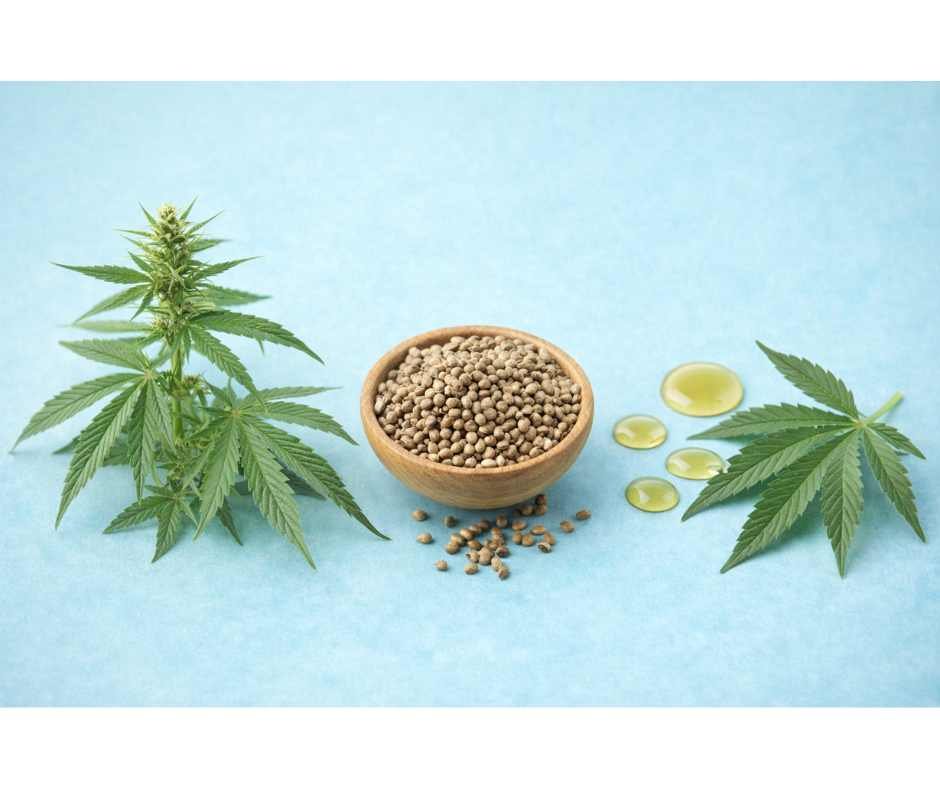
Full-Spectrum Hemp Oil vs CBD Oil vs Hemp Seed Oil: What’s the Difference?

Full-spectrum hemp oil, CBD oil, and hemp seed oil are often confused. This guide explains how they differ in composition, physiology, and appropriate use.

Read More
NAD+ Decline and Cellular Aging: What Actually Matters for Energy, Brain Health, and Longevity

NAD+ plays a central role in cellular energy, brain health, and aging. Learn why NAD+ declines with age—and why regulation matters more than replacement.

Read More