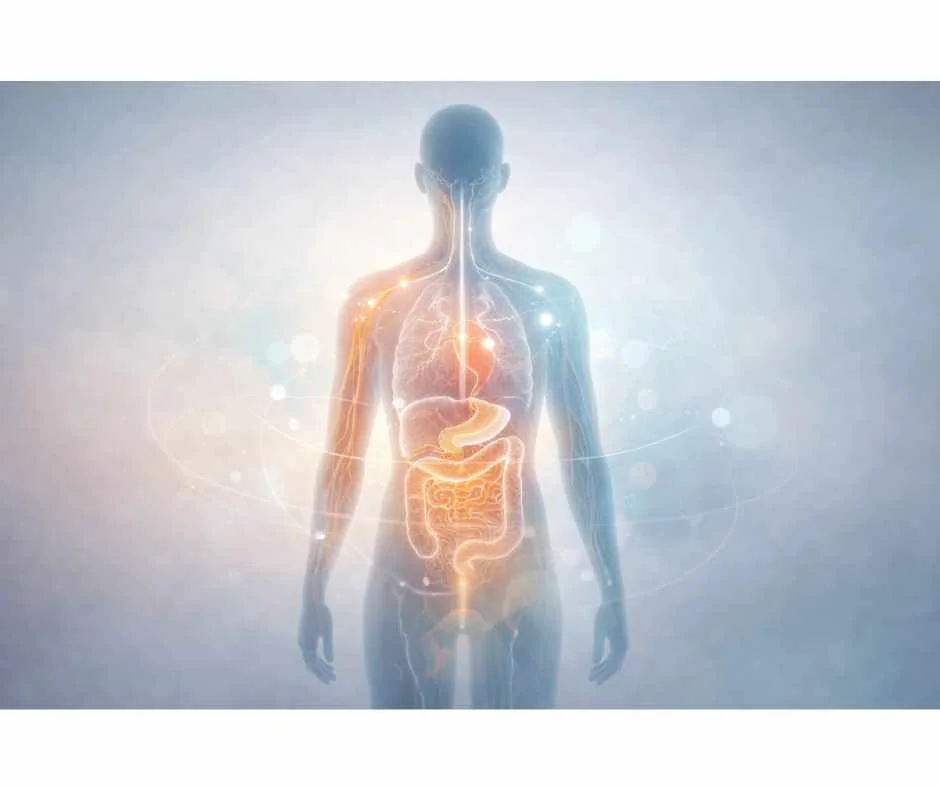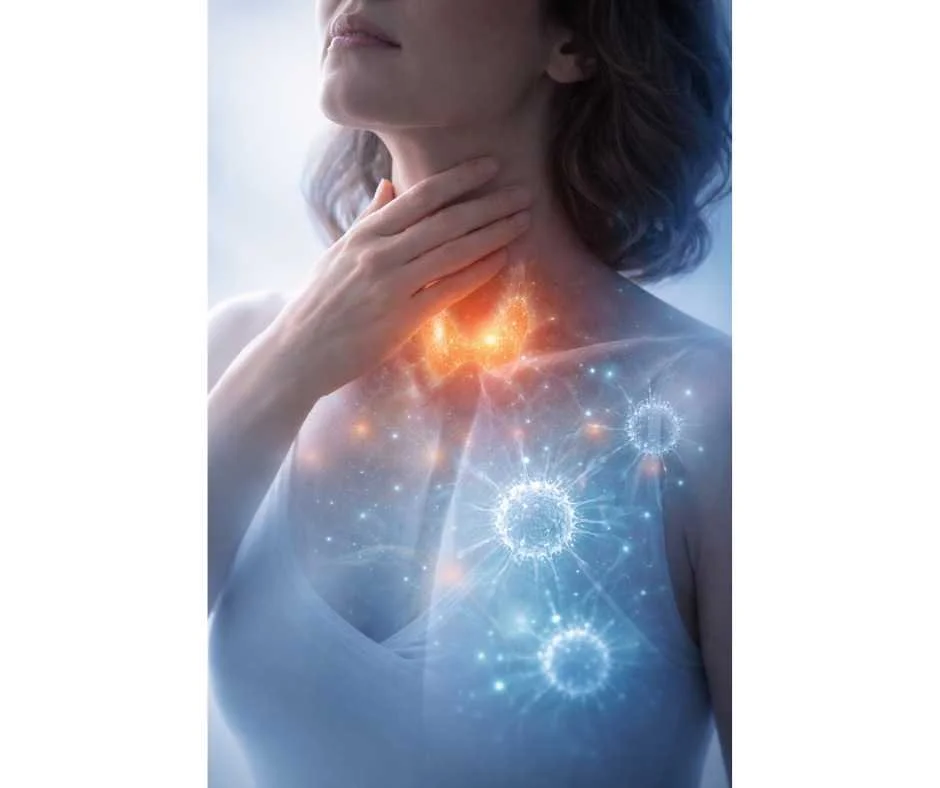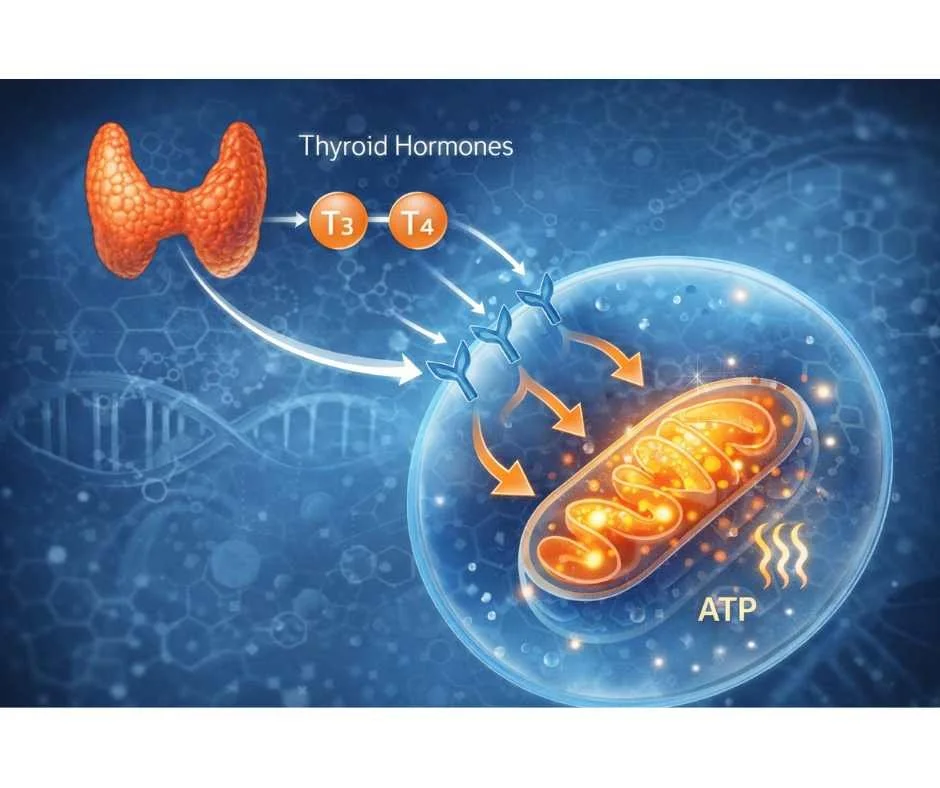
Thyroid hormones rely on gut integrity, immune regulation, and proper nutrient absorption to function at the cellular level. This article explains why thyroid symptoms often persist despite normal labs—and how gut health shapes thyroid regulation.
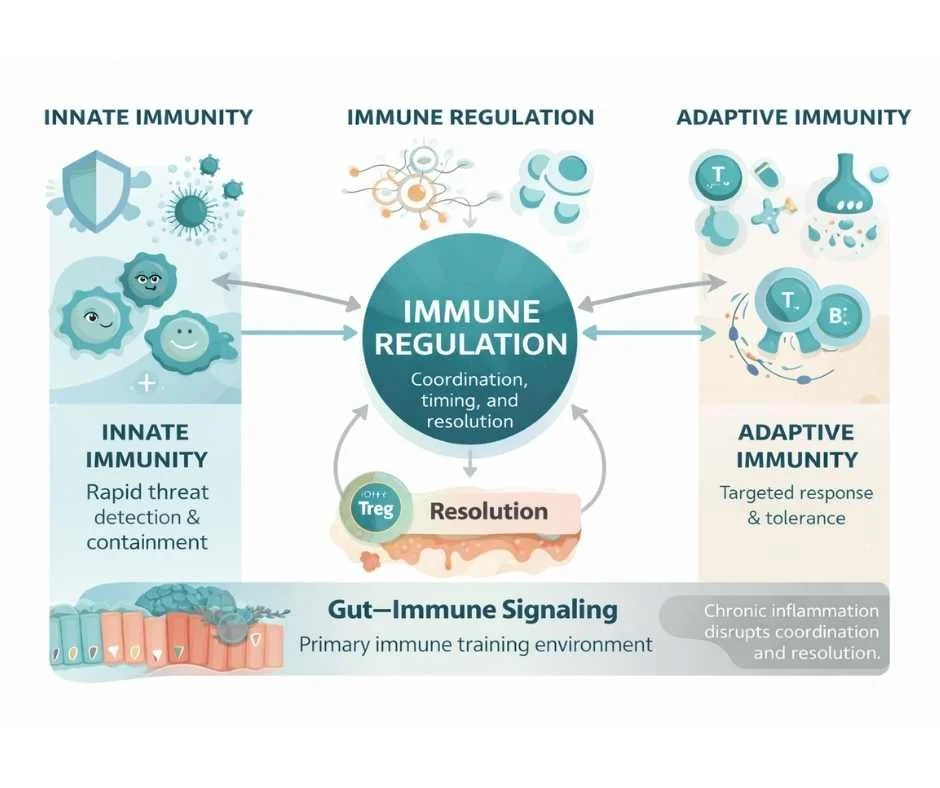
Read MoreA clear, physiology-first explanation of how the immune system works, why regulation matters more than stimulation, and how immune imbalance develops over time.
Read MoreWeight loss resistance is often driven by deeper physiologic regulation—not effort. This article explains why weight loss can stall despite healthy habits using a functional medicine, root-cause framework.
Read MoreHashimoto’s disease is not simply a thyroid problem—it is a progressive autoimmune condition shaped by immune dysfunction, gut health, environmental exposures, and stress physiology. This guide explains why symptoms often appear long before thyroid labs change and how a root-cause, systems-based approach reframes long-term care.
Read MoreAcupuncture may help digestive issues like IBS, reflux, bloating, constipation, and inflammation by improving gut motility, calming the nervous system, and supporting gut–brain regulation through a functional medicine and Traditional Chinese Medicine approach.
Read MoreWeight loss resistance is one of the most frustrating—and misunderstood—effects of hypothyroidism. This article explains how thyroid signaling alters metabolism, energy conservation, stress hormones, and fat oxidation, making traditional diet and exercise strategies ineffective despite consistent effort.
Read MoreSeed oils are everywhere in modern foods, yet most people don’t realize how often they consume them. This article explains what seed oils are, where they hide, and which everyday fat swaps can help reduce exposure without overthinking your diet.
Read MoreOxytocin interacts with cortisol, insulin, estrogen, progesterone, testosterone, appetite, and the stress response. These connections can influence reproductive function, metabolism, sleep, sexual health, and how the body recovers from stress.
Read MoreHormonal birth control can control many PCOS/PMOS symptoms without correcting the metabolic, ovulatory, or androgen-related drivers underneath them. After stopping, irregular cycles, acne, hair changes, insulin resistance, and persistent anovulation can reveal which parts of the underlying pattern are still active.
Read MoreAfter menopause, declining estrogen accelerates collagen loss, skin thinning, and reduced repair capacity. This article explains how microneedling supports collagen remodeling, improves firmness, and enhances skin texture in postmenopausal skin—without surgery or synthetic fillers.
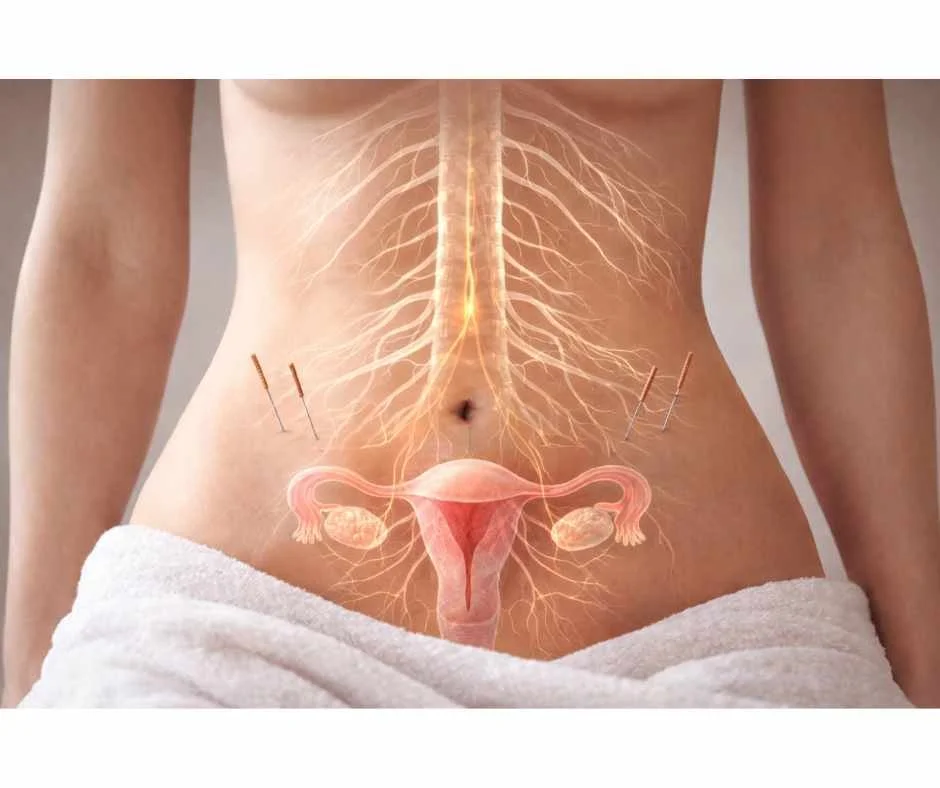
Read MoreAcupuncture for PCOS/PMOS can influence ovulation, menstrual cycle regulation, androgen activity, insulin resistance, sympathetic nervous system activity, and stress physiology. Treatment is most effective when these reproductive, metabolic, and neuroendocrine patterns are evaluated together.
Read MoreAcupuncture affects sensory, autonomic, neuroendocrine, and neuroimmune pathways involved in anxiety, depression, PTSD, sleep, pain, stress recovery, and gut–brain regulation.
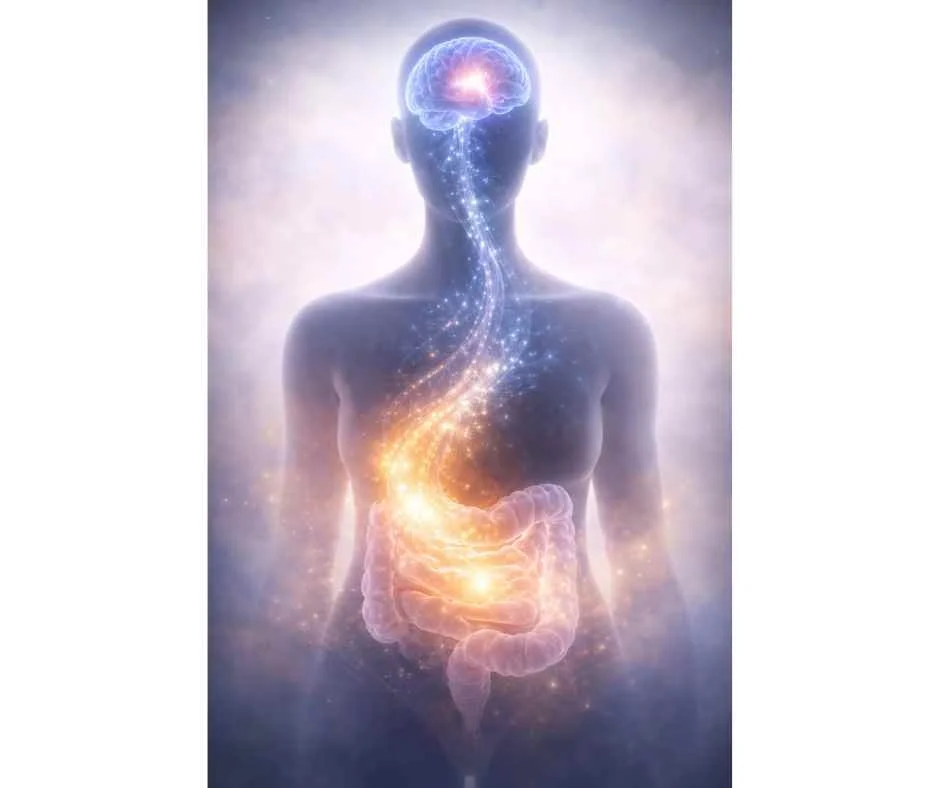
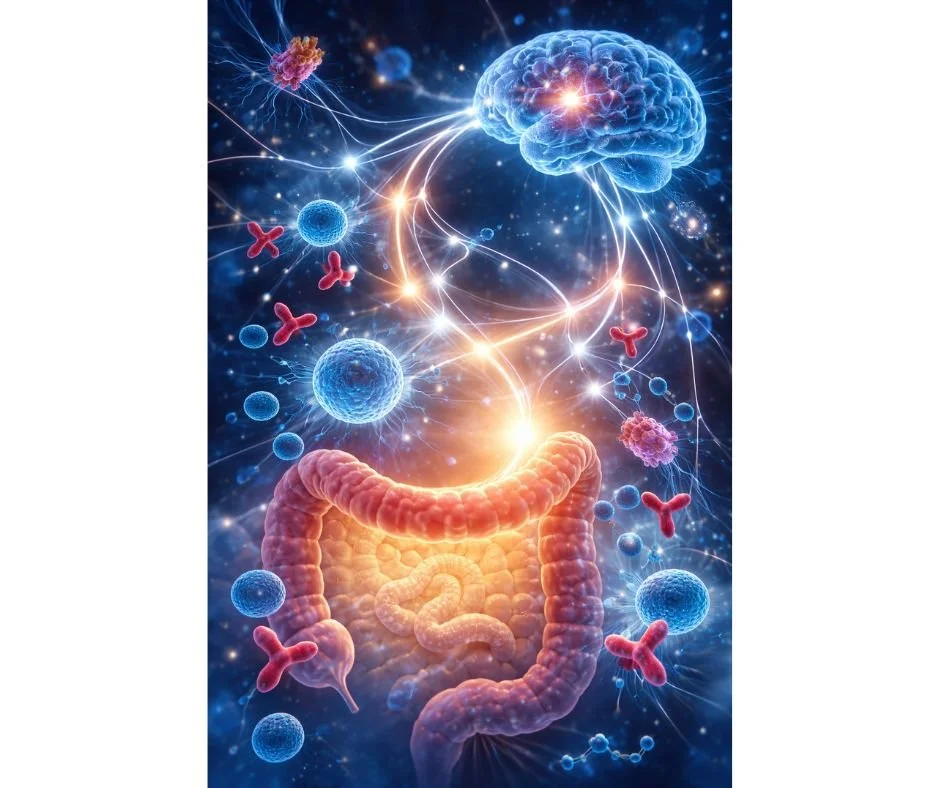
Read MoreThe gut–brain connection links the microbiome, vagus nerve, intestinal barrier, immune system, and stress response. Disruption in these pathways can affect digestion, mood, brain fog, inflammation, cognitive function, and nervous system regulation.
Read MoreEstrogen dominance is a functional hormone imbalance that can occur even when lab results appear “normal.” It reflects a loss of balance between estrogen, progesterone, and the body’s ability to metabolize and eliminate estrogen effectively. When this regulation breaks down, symptoms such as heavy periods, PMS, anxiety, sleep disruption, and weight changes often intensify rather than resolve on their own.
Read MoreThyroid dysfunction can affect ovulation, progesterone production, implantation, pregnancy, and fertility. Hypothyroidism, Hashimoto’s thyroiditis, thyroid antibodies, TSH, and IVF each have different implications for fertility evaluation and treatment.
Read MoreLeaky gut syndrome may contribute to chronic inflammation, fatigue, food sensitivities, brain fog, skin issues, autoimmune symptoms, and digestive dysfunction. This in-depth article explains intestinal permeability, gut barrier dysfunction, microbiome imbalance, and a root-cause functional medicine approach to restoring gut health naturally.
Read MoreSmoking cessation reflects changes in brain chemistry, detoxification pathways, and nervous system regulation. These mechanisms explain why quitting is difficult and what supports long-term stability.
Read MoreAutoimmune disease reflects a loss of immune regulation driven by gut barrier dysfunction, environmental exposures, metabolic stress, and nervous system imbalance. Functional medicine focuses on identifying and addressing these root causes to support long-term stability.
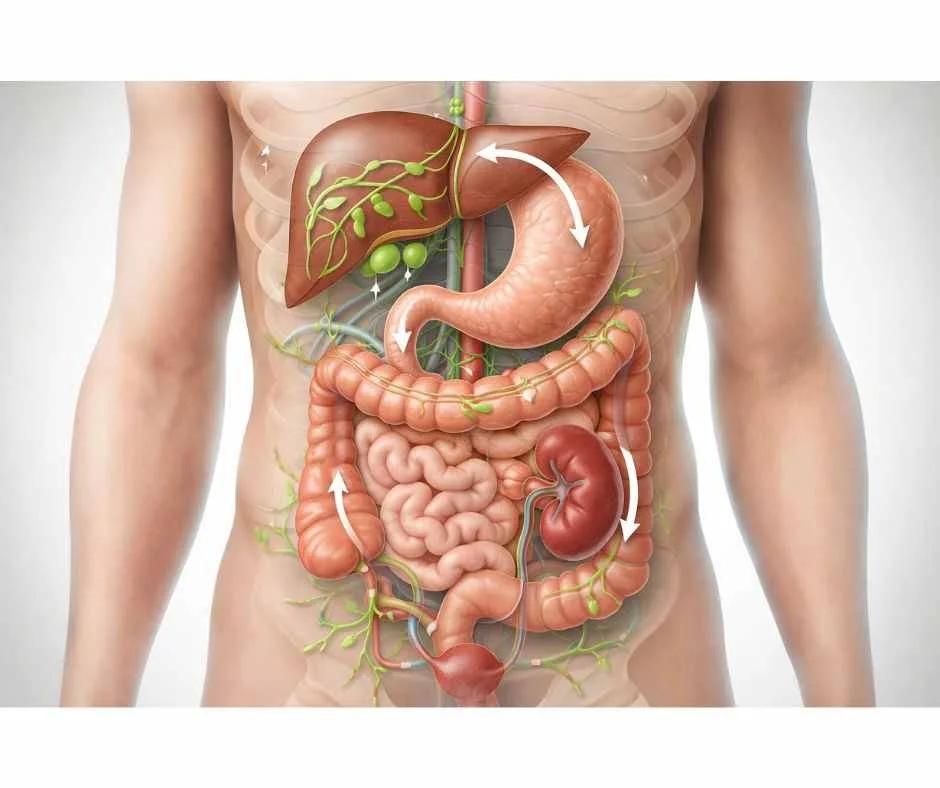
Read MoreDetoxification depends on coordinated liver, gut, kidney, lymphatic, and nervous system function. When detox pathways and elimination capacity are impaired, toxins may accumulate and contribute to fatigue, brain fog, and other chronic symptoms.
Read MoreIntermittent fasting supports weight loss, insulin sensitivity, metabolic flexibility, and healthy aging by shifting how the body accesses stored energy. Key benefits, safety considerations, and when a root-cause approach is necessary are outlined.
Read More