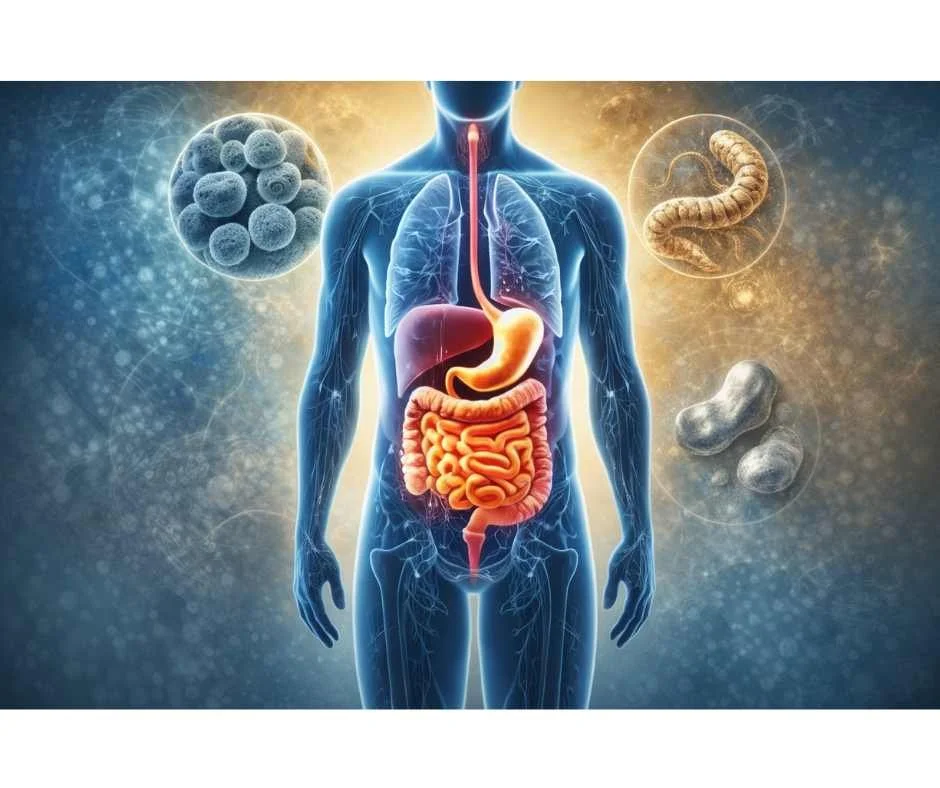
Chronic fatigue, brain fog, digestive issues, and chemical sensitivity are often driven by a hidden interaction between Candida overgrowth, parasitic infections, and heavy metal toxicity. This article explains how these factors work together—and how a systems-based, functional medicine approach supports lasting recovery.
Read MoreYour metabolic health plays a powerful role in cancer prevention and recovery. From blood sugar balance to mitochondrial support, this blog explores how metabolic strategies like fasting, ketosis, and functional medicine protocols can help starve cancer cells, strengthen immunity, and support healing at the root level.
Read MoreHerxheimer reactions can cause symptoms to flare during mold detox when toxins are released faster than the body can eliminate them. This article explains why die-off reactions occur, how to distinguish them from setbacks, and why structured, practitioner-guided detoxification improves outcomes.
Read MoreWhy is America the sickest developed nation despite spending the most on healthcare? This article examines how profit-driven, symptom-based “sickcare” replaced root-cause healing—and why functional, holistic, and lifestyle medicine offer a better path forward.
Read MoreBreathing is automatic—but how you breathe plays a critical role in oral health, sleep quality, inflammation, and whole-body regulation. Chronic mouth breathing is linked to dry mouth, cavities, gum disease, disrupted sleep, and reduced nitric oxide production, while nasal breathing supports a balanced oral microbiome, efficient oxygen delivery, and nervous system regulation. Understanding the impact of nasal breathing is a foundational step toward improving both oral and overall health.
Read MoreHidden toxins don’t just come from ingredients—they come from how and where food is sourced, processed, packaged, and prepared. In Part 6 of this series, you’ll learn practical, real-world strategies for shopping cleaner, choosing safer food sources, filtering water, and reducing toxic exposure through daily habits—without overwhelm or perfectionism.
Read MoreIs your drinking water truly safe? From PFAS and heavy metals to pharmaceuticals and fluoride, modern water supplies may contain hidden contaminants that impact hormones, gut health, immunity, and long-term health. Learn what’s in your water and how to protect yourself.
Read MoreEven organic, whole foods can contain hidden toxins. Learn how microplastics, heavy metals, and environmental pollution contaminate food—and what you can do to protect your health.
Read MoreCAFO-raised meat, lab-grown food technologies, and insect-derived ingredients are increasingly common—but rarely transparent. Part 3 of this food toxin series explores how industrial meat production and emerging food alternatives may impact hormones, gut health, immunity, and long-term metabolic resilience.
Read MoreGMOs, glyphosate, and modern food processing expose us to hidden toxins long before food reaches the label. Learn where they hide and how to reduce exposure.
Read MoreFood labels are often misleading, hiding toxic additives behind unfamiliar or deceptive names. In Part 1 of this six-part series, learn how to identify hidden toxins in processed foods—including artificial sweeteners, seed oils, preservatives, and GRAS-approved chemicals—and make safer, more informed choices for long-term health.
Read MoreGut dysbiosis is more than a digestive issue—it’s a root driver of inflammation, immune dysfunction, metabolic imbalance, and chronic disease. Learn what causes microbiome disruption and how to restore gut health using functional medicine strategies.
Read MoreSeed oils are now a dominant source of dietary fat in modern diets, primarily consumed through ultra-processed foods and restaurant meals. As colorectal cancer rates rise—especially among younger adults—this article examines how seed oils, inflammation, gut health, and dietary patterns may influence long-term colon cancer risk within a prevention-focused framework.
Read MoreAlcohol may help you fall asleep, but it disrupts REM sleep, circadian rhythm signaling, and nervous system regulation—leading to fragmented, non-restorative rest.
Read MoreTaking supplements without results is often an absorption issue—not a dosage problem. This guide explains bioavailability, nutrient forms, digestion, and delivery methods so your supplements actually work.
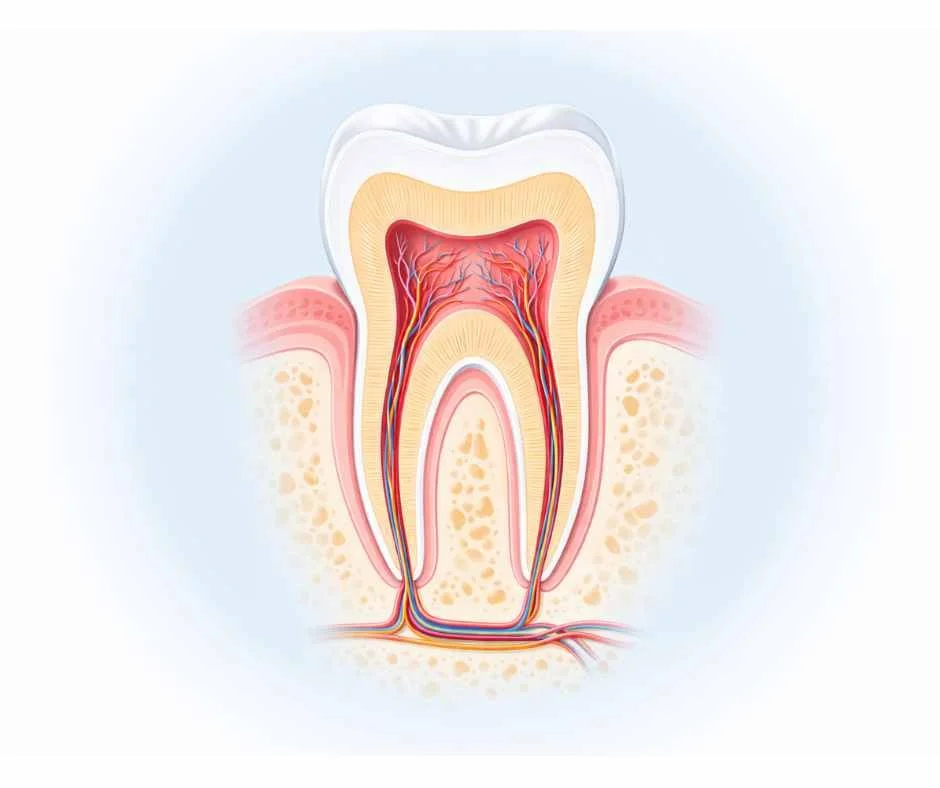
Read MoreRoot canals are widely used dental procedures, yet ongoing research and clinical observations raise questions about their long-term impact on immune, inflammatory, and systemic health.
Read MoreLearn how the AIP Diet works to reduce inflammation and support autoimmune health. Discover key foods to eat and avoid, how to integrate with stress management, sleep, and other lifestyle factors, and tips on reintroducing foods for long-term wellness.
Read MoreLow-quality supplements can expose you to hidden contaminants, misleading labels, and even undeclared drugs. This in-depth guide explains how supplement quality breaks down, the real risks consumers face, and how to choose safe, clinical-grade products that actually support long-term health.
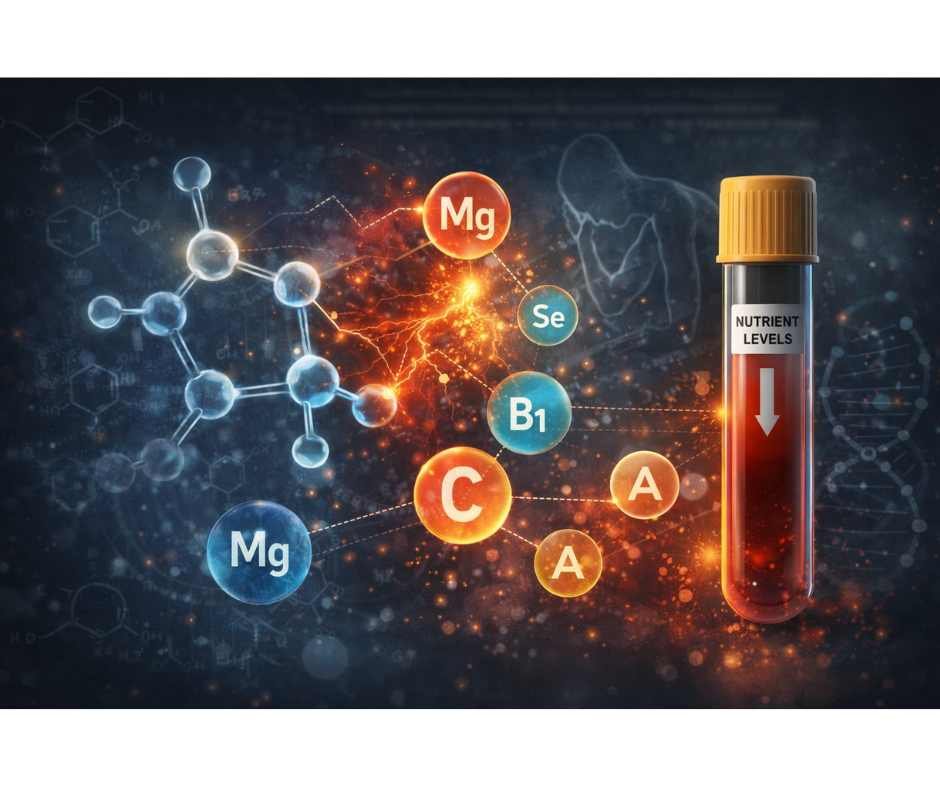
Read MoreAlcohol disrupts digestion, liver metabolism, and detoxification pathways—quietly depleting essential vitamins and minerals over time. This article explains how alcohol-related nutrient deficiencies develop, which nutrients are most affected, how symptoms often appear despite normal labs, and why a systems-based clinical approach matters for long-term health.
Read MoreIodine plays a critical yet often overlooked role in breast health. This article explores how iodine supports estrogen balance, protects breast tissue, reduces fibrocystic breast changes, and may influence long-term breast cancer risk—while examining iodine deficiency, halide toxicity, dosing considerations, and clinical testing through a functional medicine lens.
Read More