Posts in Nutrition
The Autoimmune Protocol (AIP) Diet: A Root-Cause Strategy for Reducing Inflammation and Healing Autoimmune Disease

The AIP diet is a structured elimination protocol designed to reduce inflammatory triggers in autoimmune disease. Learn how it works, which foods are removed, how long elimination should last, and when deeper root-cause evaluation is needed.

Read More

Why High-Quality Dietary Supplements Matter: How to Avoid Contaminated, Adulterated, and Ineffective Products

Not all dietary supplements are created equal. Learn how to identify high-quality, third-party tested supplements and avoid contamination, adulteration, and misleading formulations.

Read More
The Hidden Dangers of Alcohol: How It Depletes Essential Nutrients and Impacts Your Health

Alcohol disrupts nutrient absorption, liver metabolism, and antioxidant defenses—even at low intake levels. Learn how alcohol depletes magnesium, B vitamins, vitamin D, and methylation nutrients, and how these deficiencies impact brain function, immune resilience, detoxification, and long-term metabolic health.

Read More
Iodine and Breast Health: A Missing Link in Hormonal Balance and Cancer Prevention

Iodine plays a critical yet often overlooked role in breast health. This article explores how iodine supports estrogen balance, protects breast tissue, reduces fibrocystic breast changes, and may influence long-term breast cancer risk—while examining iodine deficiency, halide toxicity, dosing considerations, and clinical testing through a functional medicine lens.

Read More
Yeast Infections Beyond the Vagina: Hidden Candida Symptoms and Root Causes

Yeast infections are not just a vaginal issue. Candida overgrowth can affect the gut, mouth, skin, and immune system, often causing vague, chronic symptoms that are repeatedly misdiagnosed. This article explores hidden Candida symptoms, root causes of recurrence, and how a functional medicine approach restores microbial balance.

Read More
Migraines Unmasked: Root Causes and Natural Solutions for Lasting Relief

Migraines are more than headaches. This article explains the root causes of migraines and how a functional medicine approach—addressing gut health, hormones, nutrients, stress, and nervous system regulation—can support long-term relief.

Read More
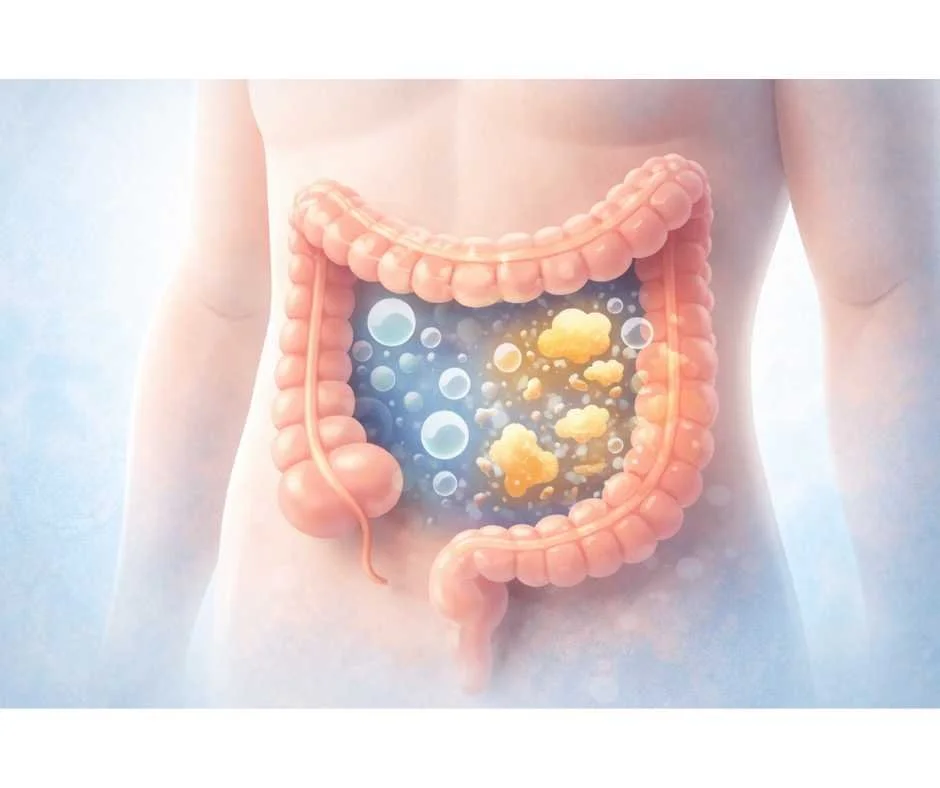
The Low FODMAP Diet for IBS, SIBO, and Chronic Digestive Symptoms

The low FODMAP diet can reduce bloating, gas, and abdominal pain—but only when used correctly. Learn who benefits, what the research shows, and why long-term restriction is not the answer.

Read More
The Mold Detox Diet: What to Eat and Avoid to Reduce Dietary Mycotoxins

A mold detox diet focuses on reducing dietary mycotoxin exposure while supporting detoxification, gut integrity, and immune balance during mold illness recovery.

Read More
Non-Celiac Gluten Sensitivity: What It Is and How to Manage It

Many people experience persistent symptoms after eating gluten despite negative celiac testing. This article explains what non-celiac gluten sensitivity is, how it affects the gut and immune system, and how it can be identified and managed within a root-cause framework.

Read More
Why Weight Loss Stalls: A Functional Medicine Perspective Beyond Diet and Exercise

Weight loss resistance is often driven by deeper physiologic regulation—not effort. This article explains why weight loss can stall despite healthy habits using a functional medicine, root-cause framework.

Read More
The Ugly Truth About Seed Oils and 5 Healthy Alternatives

Seed oils are everywhere in modern foods, yet most people don’t realize how often they consume them. This article explains what seed oils are, where they hide, and which everyday fat swaps can help reduce exposure without overthinking your diet.

Read More
Leaky Gut Syndrome – How to Restore Your Health From the Inside Out

Leaky gut syndrome—also known as increased intestinal permeability—can drive inflammation, immune dysfunction, and chronic symptoms throughout the body. Learn how to heal at the root cause.

Read More
Intermittent Fasting for Weight Loss and Longevity: How Fasting Supports Fat Loss, Metabolic Health, and Healthy Aging

Intermittent fasting supports weight loss, insulin sensitivity, metabolic flexibility, and healthy aging by shifting how the body accesses stored energy. Key benefits, safety considerations, and when a root-cause approach is necessary are outlined.

Read More
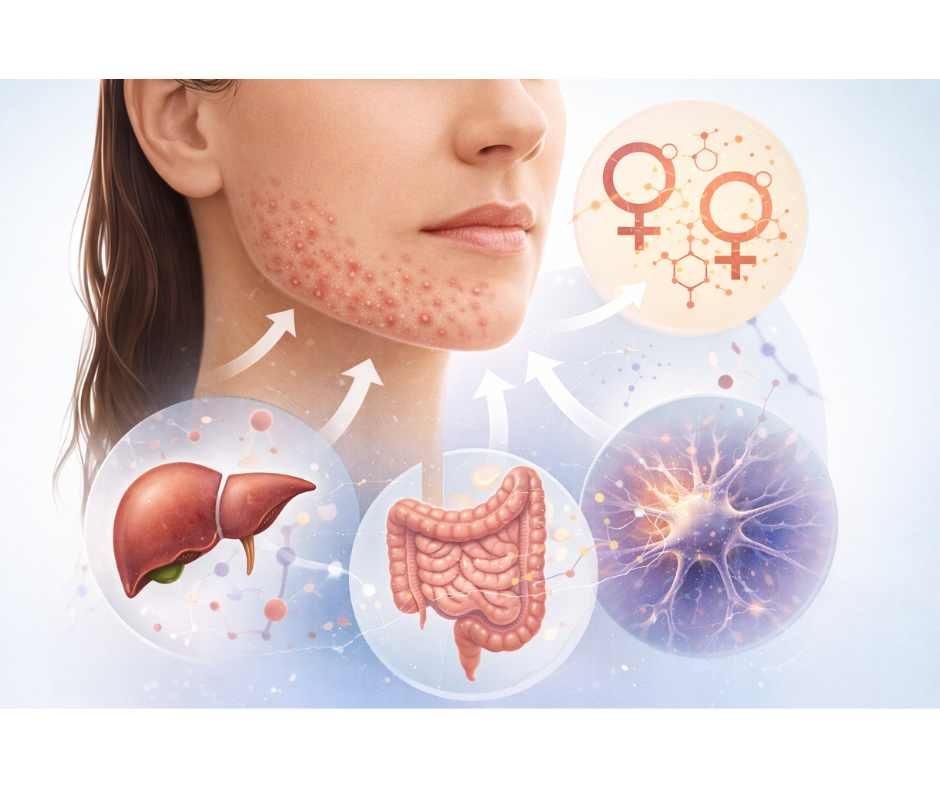
Adult Acne Causes: Hormones, Gut Health, Inflammation & Root Drivers

Adult acne often reflects deeper physiologic drivers rather than surface skin problems alone. Hormonal signaling, gut–skin axis disruption, inflammation, metabolic stress, detoxification pathways, and nervous system regulation can interact to drive persistent breakouts and treatment-resistant acne patterns.

Read More
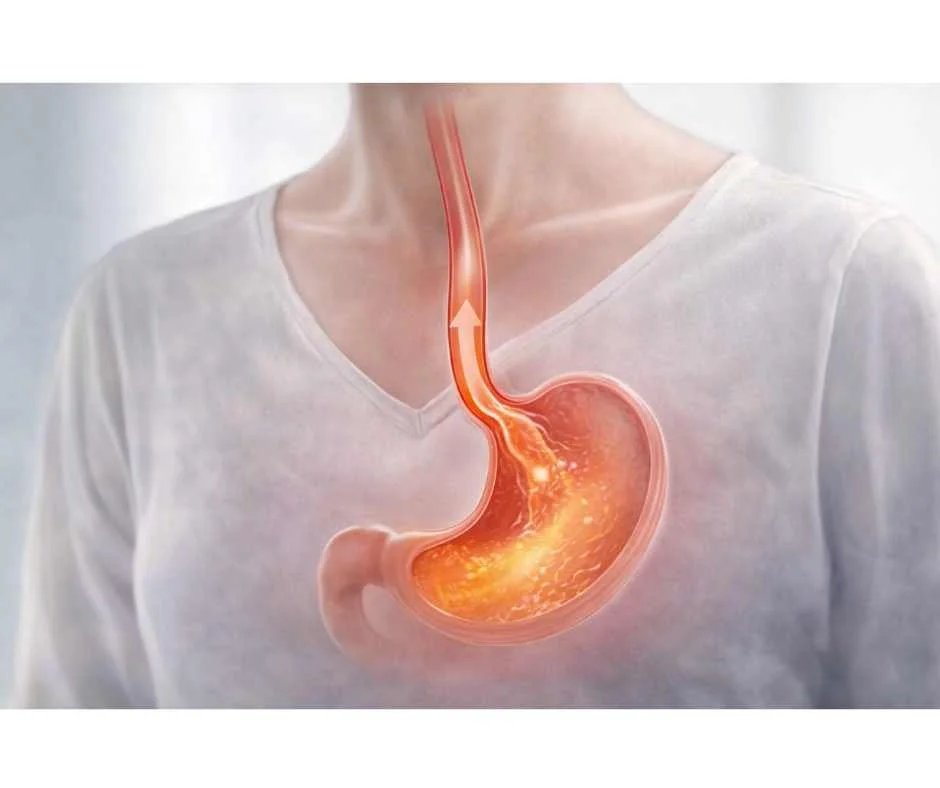
Acid Reflux Causes: Why Heartburn Is Not Always Too Much Stomach Acid

Acid reflux is not always caused by excess stomach acid. Discover how low stomach acid, LES dysfunction, medications, stress, and diet contribute to GERD—and how a root-cause, natural treatment approach can restore digestive balance.

Read More
Most Common Nutrient Deficiencies (Even With Normal Labs)

Nutrient deficiencies often persist despite normal lab results and adequate diet. This article explains the most common nutrient deficiencies, why standard blood tests may miss them, and how functional testing clarifies persistent symptoms.

Read More
How to Reduce Chronic Inflammation Naturally: A Root-Cause, Systems-Based Approach

Chronic inflammation develops when immune activation fails to fully resolve. Identifying gut, metabolic, environmental, and stress-related drivers is essential to reduce inflammation naturally and restore immune balance.

Read More
Why Vitamin D Deficiency Is So Common — And Why Supplements Don’t Always Work

Vitamin D deficiency is not always caused by low sun exposure. Absorption, activation, magnesium status, inflammation, and receptor signaling determine whether vitamin D can function properly—even when blood levels appear normal.

Read More
How to Heal Your Gut After Antibiotics: Rebuilding the Microbiome and Preventing Long-Term Dysbiosis

Antibiotics can disrupt gut bacteria and intestinal barrier function, leading to bloating, dysbiosis, and immune imbalance. Restore microbial diversity and rebuild gut resilience with a structured recovery approach.

Read More
How Added Sugar Disrupts Metabolic Health: Insulin Resistance, Hormones, Fatigue, and Inflammation

Added sugar is not just empty calories—it is a metabolic stressor that disrupts blood sugar regulation, hormones, energy production, and inflammatory balance long before disease appears on standard labs.

Read More