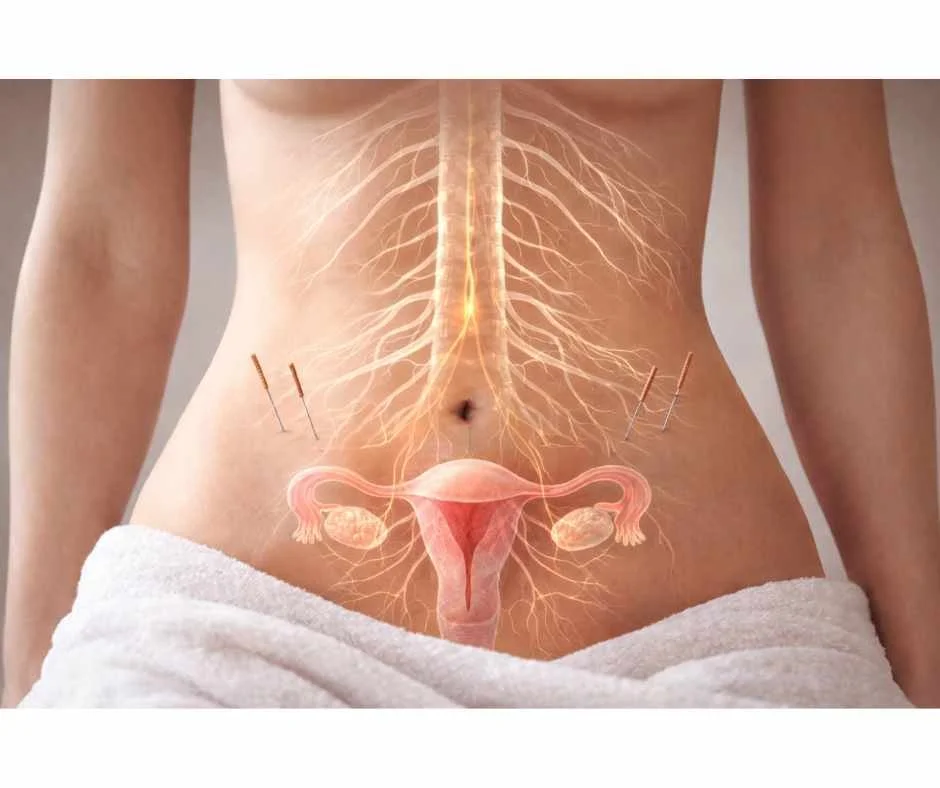
PCOS involves disrupted hormonal and nervous system signaling rather than a single imbalance. This article explains how acupuncture may support ovulation, cycle regulation, insulin sensitivity, and stress physiology as part of integrative PCOS care.
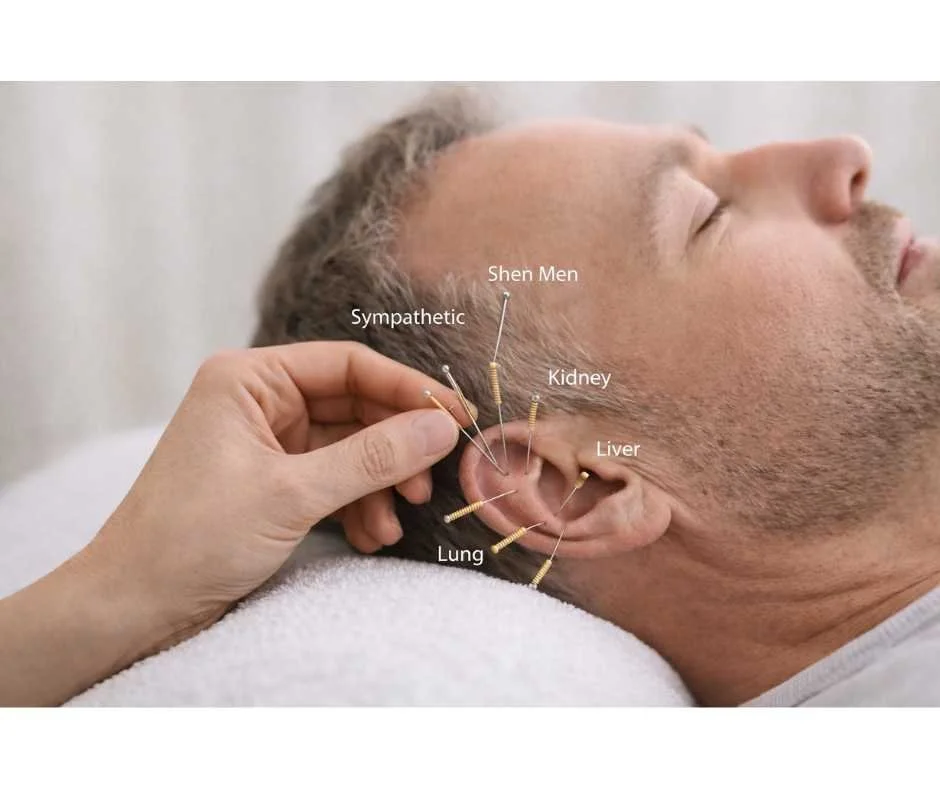
Read MoreAnxiety, depression, and PTSD are increasingly understood as conditions of nervous system dysregulation rather than isolated brain disorders. This article explores how acupuncture supports mental health by improving vagal tone, autonomic balance, inflammation control, and stress recovery—addressing root causes rather than suppressing symptoms.
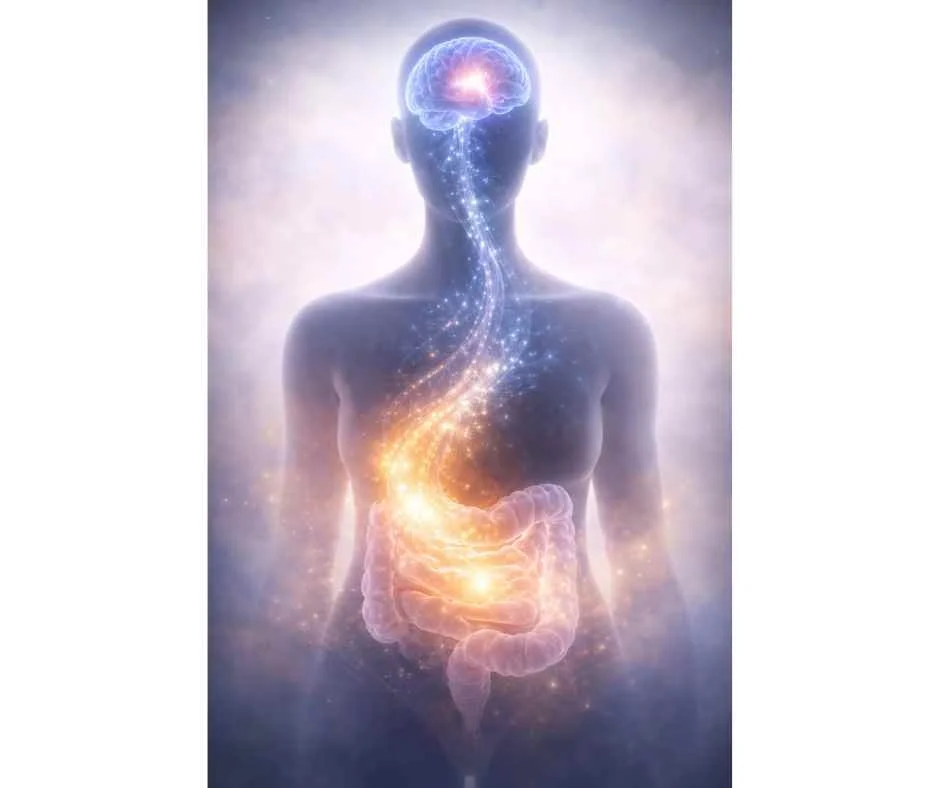
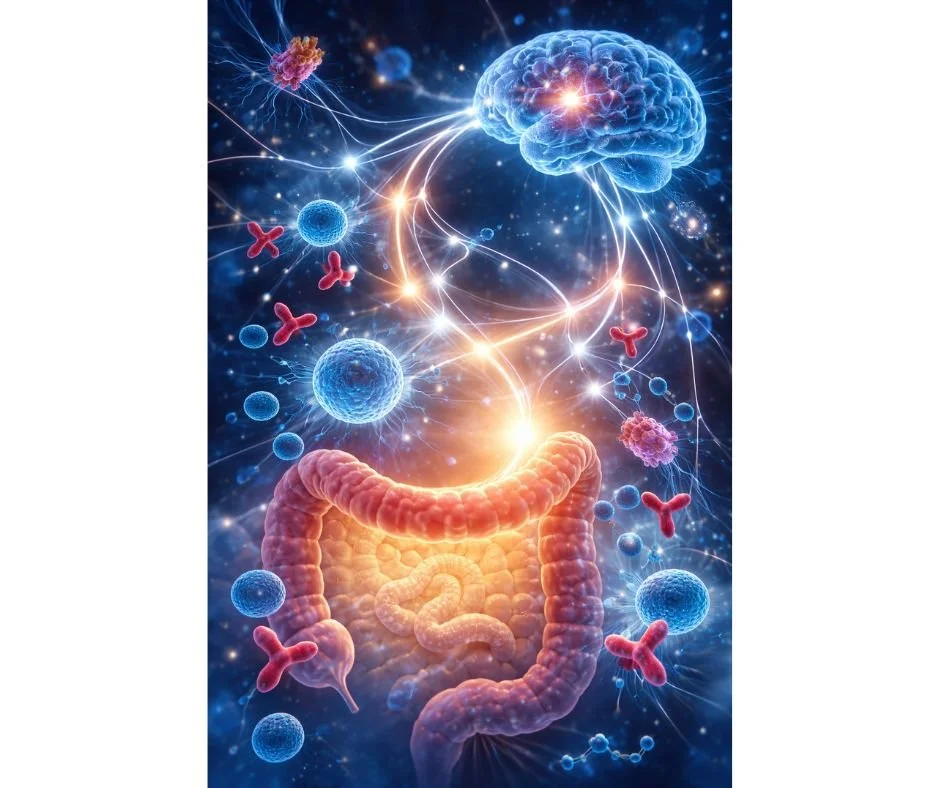
Read MoreThe gut–brain connection describes the constant communication between the digestive system and the nervous system that shapes digestion, inflammation, stress response, mood, and cognitive function. Disruptions in gut health can influence far more than digestion alone—helping explain why symptoms such as anxiety, fatigue, brain fog, and chronic inflammation often overlap.
Read MoreEstrogen dominance is a functional hormone imbalance that can occur even when lab results appear “normal.” It reflects a loss of balance between estrogen, progesterone, and the body’s ability to metabolize and eliminate estrogen effectively. When this regulation breaks down, symptoms such as heavy periods, PMS, anxiety, sleep disruption, and weight changes often intensify rather than resolve on their own.
Read MoreThyroid disorders can influence fertility through ovulation timing, menstrual cycle regulation, implantation, and immune signaling. This article explains the underlying mechanisms and why fertility challenges may persist even when thyroid labs appear normal.
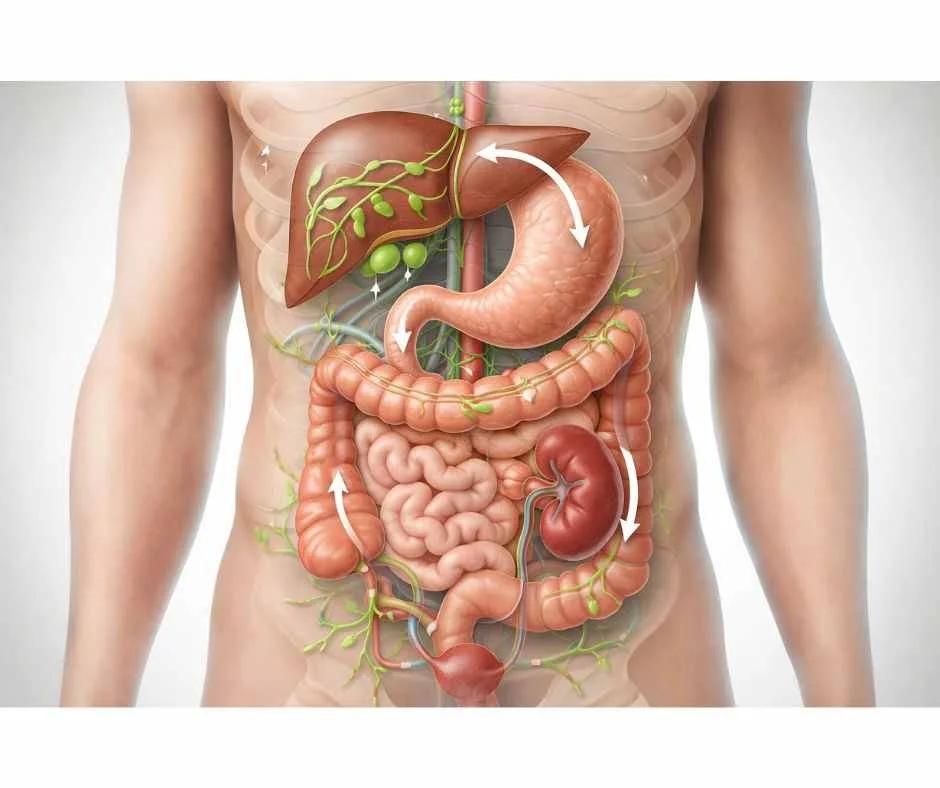
Read MoreLeaky gut syndrome—also known as increased intestinal permeability—can drive inflammation, immune dysfunction, and chronic symptoms throughout the body. Learn how to heal at the root cause.
Read MoreSmoking cessation is not just a willpower issue—it’s a nervous system pattern. This article explains how acupuncture supports quitting smoking by regulating stress response, reducing cravings, and helping prevent relapse through nervous system stabilization.
Read MoreAutoimmune disease reflects immune dysregulation shaped by genetics, environment, gut health, and metabolic stress. A functional medicine approach focuses on identifying root causes and supporting immune regulation rather than symptom suppression alone.
Read MoreDetoxification is a continuous physiological process—not a cleanse or reset. This article explains how the body detoxifies naturally, why modern life overwhelms detox pathways, and what foundational support is required before any structured detox approach.
Read MoreIntermittent fasting can support weight loss and healthy aging by improving insulin sensitivity, metabolic flexibility, and cellular resilience. This article explores how fasting works, who it benefits, and when individualized care is essential.
Read MoreEndometriosis is more than a gynecologic diagnosis. This article explores how immune dysregulation, inflammation, and tissue-level hormone signaling contribute to endometriosis—and why addressing root drivers matters for lasting improvement.
Read MoreLearn what functional medicine is, how it differs from conventional care, and how to choose a qualified functional medicine doctor using a root-cause approach.
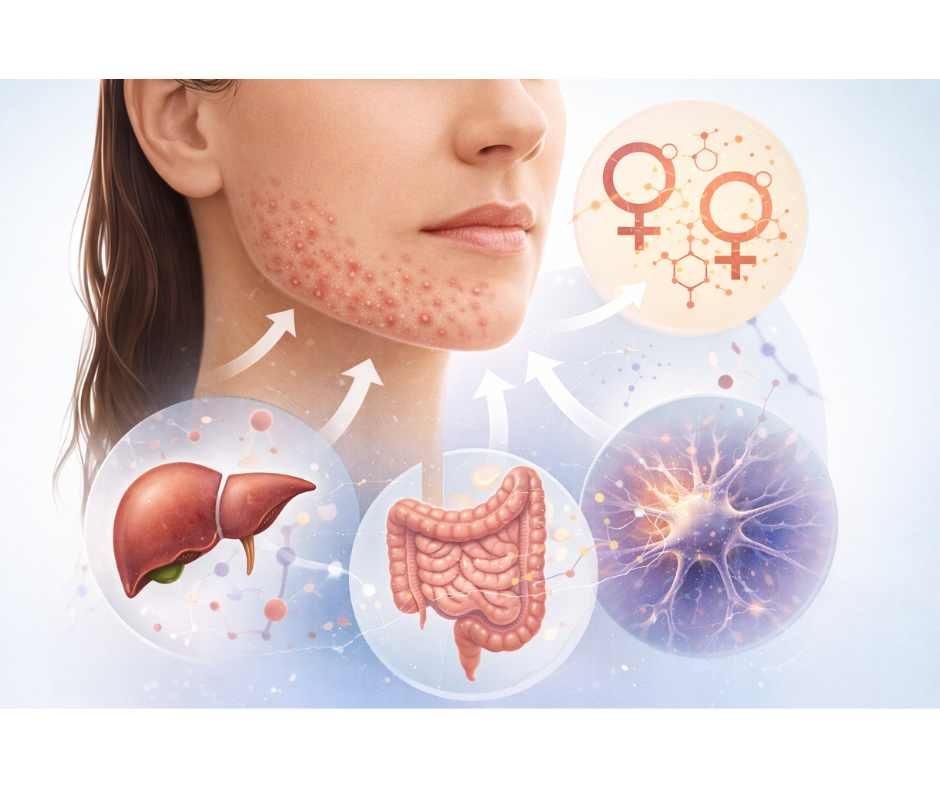
Read MoreAdult acne is often a sign of deeper imbalance rather than a surface skin problem. This article explores the root causes of persistent adult acne—including hormones, gut health, inflammation, stress physiology, and detoxification—and explains how a functional, integrative medicine approach supports long-term skin healing beyond symptom suppression.
Read MorePolycystic Ovary Syndrome is not a single condition with a single cause. This guide explains the four main PCOS patterns—insulin-driven, post–birth control, inflammatory, and adrenal—and why identifying your specific type is essential for understanding symptoms and making informed care decisions.
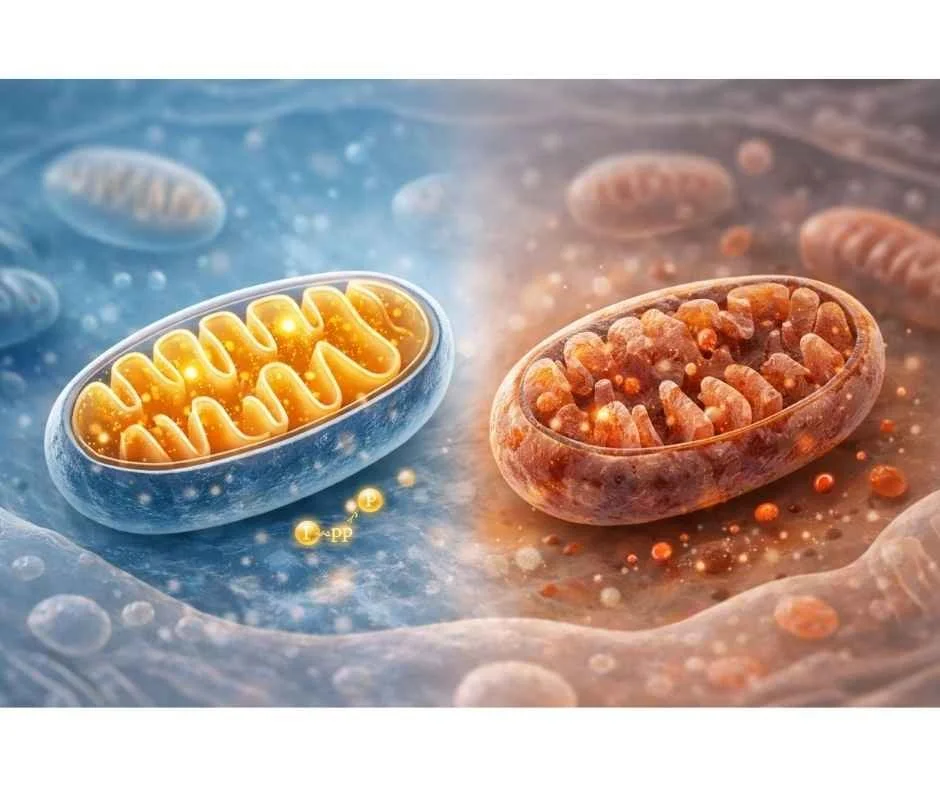
Read MoreMitochondrial function plays a central role in how the body produces energy, adapts to stress, and ages over time. This article explains how cellular energy regulation influences fatigue, metabolic health, and chronic disease—and why symptoms often appear long before standard tests detect a problem.
Read MoreFor decades, cholesterol has been blamed for heart disease—but the science tells a different story. This in-depth article dismantles common cholesterol myths, examines the real drivers of cardiovascular risk, and explains why inflammation, insulin resistance, metabolic dysfunction, and nutrient depletion matter far more than cholesterol numbers alone.
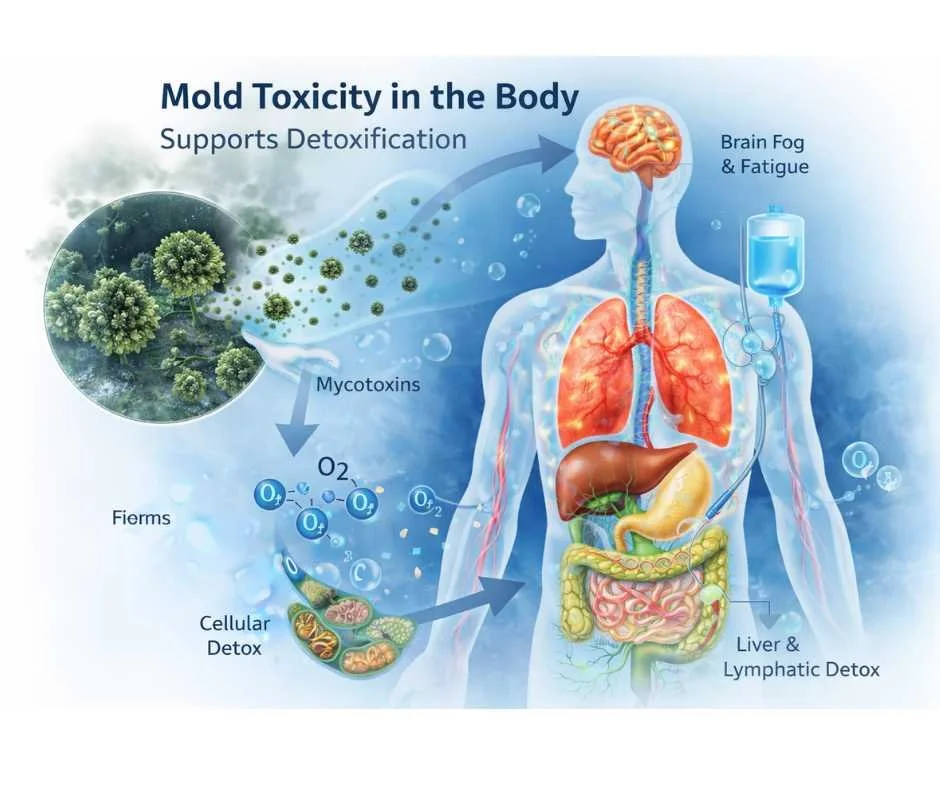
Mold illness can disrupt oxygen utilization, immune balance, and detox capacity. Learn how medical ozone therapy may support recovery when used carefully within a comprehensive mold treatment plan.
Read MorePersistent PMS symptoms are not random or “just part of being female.” When bloating, mood changes, fatigue, or pelvic discomfort intensify before menstruation, they reflect how ovulation, hormones, stress physiology, metabolism, and nervous system regulation are interacting. This article explores what PMS and PMDD symptoms reveal about underlying imbalance—and how a root-cause, systems-based approach supports more stable, predictable cycles.
Read MoreMicroneedling is a regenerative skin treatment that stimulates collagen and elastin production to improve texture, tone, firmness, and overall skin resilience. This comprehensive guide explains how microneedling works, how it differs from acupuncture, what it can help address, and how it fits into an integrative approach to long-term skin health.
Read MoreRed light therapy, also known as photobiomodulation, supports skin health by influencing cellular energy production, collagen synthesis, and inflammatory signaling. When used clinically, it can help support tissue repair, skin resilience, and recovery within a broader integrative care framework.
Read More