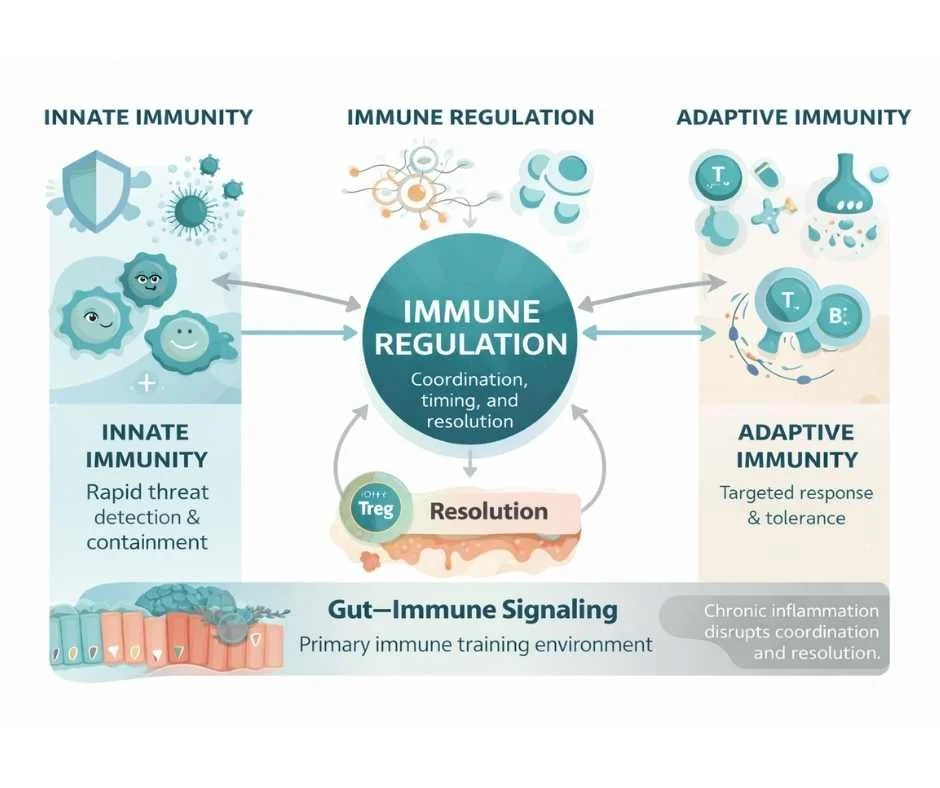
A clear, physiology-first explanation of how the immune system works, why regulation matters more than stimulation, and how immune imbalance develops over time.
Read More

A clear, physiology-first explanation of how the immune system works, why regulation matters more than stimulation, and how immune imbalance develops over time.
Read MoreWeight loss resistance is often driven by deeper physiologic regulation—not effort. This article explains why weight loss can stall despite healthy habits using a functional medicine, root-cause framework.
Read MoreHashimoto’s disease is not simply a thyroid problem—it is a progressive autoimmune condition shaped by immune dysfunction, gut health, environmental exposures, and stress physiology. This guide explains why symptoms often appear long before thyroid labs change and how a root-cause, systems-based approach reframes long-term care.
Read MoreAcupuncture may help digestive issues like IBS, reflux, bloating, constipation, and inflammation by improving gut motility, calming the nervous system, and supporting gut–brain regulation through a functional medicine and Traditional Chinese Medicine approach.
Read MoreWeight loss resistance is one of the most frustrating—and misunderstood—effects of hypothyroidism. This article explains how thyroid signaling alters metabolism, energy conservation, stress hormones, and fat oxidation, making traditional diet and exercise strategies ineffective despite consistent effort.
Read MoreSeed oils are everywhere in modern foods, yet most people don’t realize how often they consume them. This article explains what seed oils are, where they hide, and which everyday fat swaps can help reduce exposure without overthinking your diet.
Read MoreOxytocin plays a central role in hormonal regulation by signaling safety to the brain and shaping how stress, metabolic, and reproductive hormones are prioritized. This article explains the hormonal hierarchy and why hormone symptoms can persist even when labs appear normal.
Read MoreAnxiety, depression, and PTSD are increasingly understood as conditions of nervous system dysregulation rather than isolated brain disorders. This article explores how acupuncture supports mental health by improving vagal tone, autonomic balance, inflammation control, and stress recovery—addressing root causes rather than suppressing symptoms.
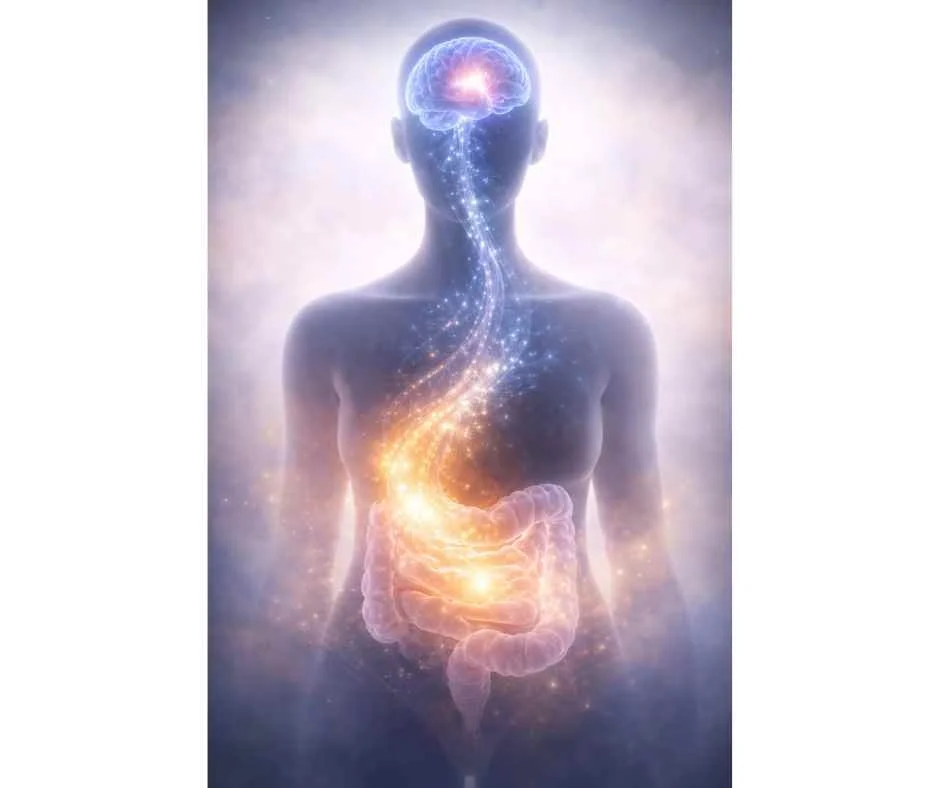
Read MoreThe gut–brain connection describes the constant communication between the digestive system and the nervous system that shapes digestion, inflammation, stress response, mood, and cognitive function. Disruptions in gut health can influence far more than digestion alone—helping explain why symptoms such as anxiety, fatigue, brain fog, and chronic inflammation often overlap.
Read MoreEstrogen dominance is a functional hormone imbalance that can occur even when lab results appear “normal.” It reflects a loss of balance between estrogen, progesterone, and the body’s ability to metabolize and eliminate estrogen effectively. When this regulation breaks down, symptoms such as heavy periods, PMS, anxiety, sleep disruption, and weight changes often intensify rather than resolve on their own.
Read MoreThyroid disorders can influence fertility through ovulation timing, menstrual cycle regulation, implantation, and immune signaling. This article explains the underlying mechanisms and why fertility challenges may persist even when thyroid labs appear normal.
Read MoreLeaky gut syndrome—also known as increased intestinal permeability—can drive inflammation, immune dysfunction, and chronic symptoms throughout the body. Learn how to heal at the root cause.
Read MoreAutoimmune disease reflects immune dysregulation shaped by genetics, environment, gut health, and metabolic stress. A functional medicine approach focuses on identifying root causes and supporting immune regulation rather than symptom suppression alone.
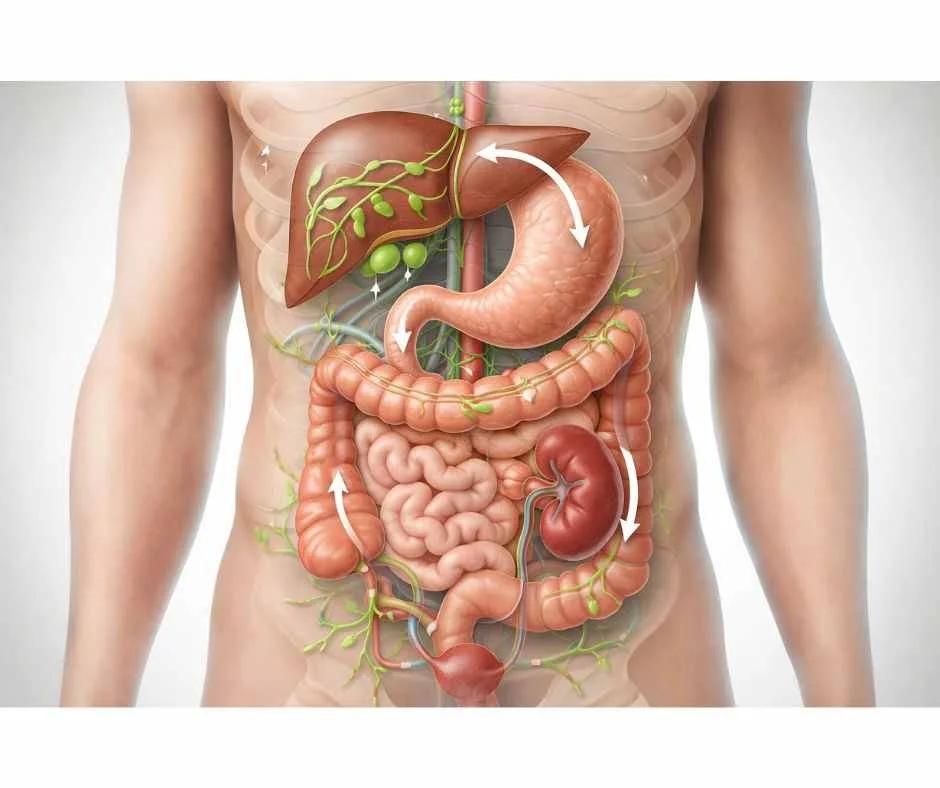
Read MoreDetoxification is a continuous physiological process—not a cleanse or reset. This article explains how the body detoxifies naturally, why modern life overwhelms detox pathways, and what foundational support is required before any structured detox approach.
Read MoreIntermittent fasting can support weight loss and healthy aging by improving insulin sensitivity, metabolic flexibility, and cellular resilience. This article explores how fasting works, who it benefits, and when individualized care is essential.
Read MoreEndometriosis is more than a gynecologic diagnosis. This article explores how immune dysregulation, inflammation, and tissue-level hormone signaling contribute to endometriosis—and why addressing root drivers matters for lasting improvement.
Read MoreLearn what functional medicine is, how it differs from conventional care, and how to choose a qualified functional medicine doctor using a root-cause approach.
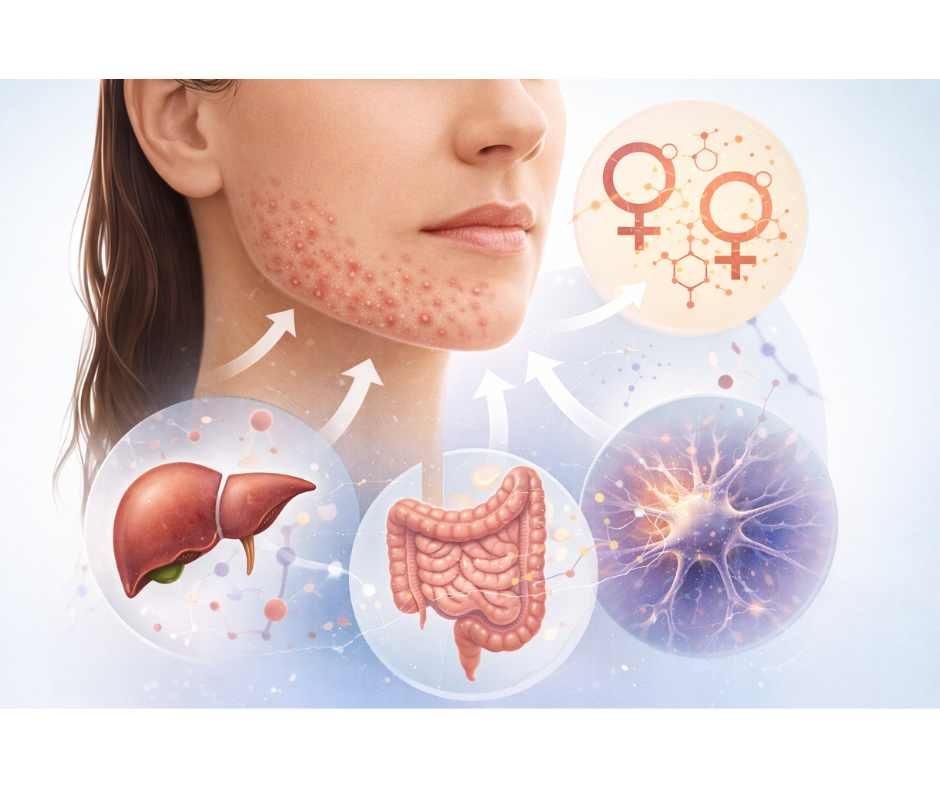
Read MoreAdult acne is often a sign of deeper imbalance rather than a surface skin problem. This article explores the root causes of persistent adult acne—including hormones, gut health, inflammation, stress physiology, and detoxification—and explains how a functional, integrative medicine approach supports long-term skin healing beyond symptom suppression.
Read MorePolycystic Ovary Syndrome is not a single condition with a single cause. This guide explains the four main PCOS patterns—insulin-driven, post–birth control, inflammatory, and adrenal—and why identifying your specific type is essential for understanding symptoms and making informed care decisions.
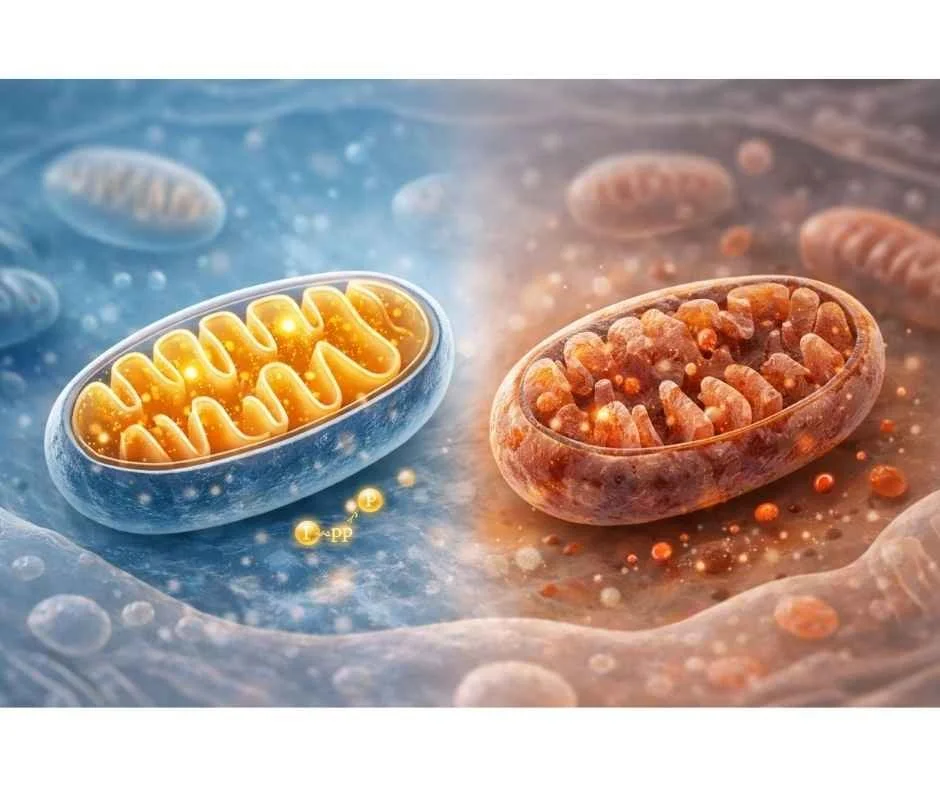
Read MoreMitochondrial function plays a central role in how the body produces energy, adapts to stress, and ages over time. This article explains how cellular energy regulation influences fatigue, metabolic health, and chronic disease—and why symptoms often appear long before standard tests detect a problem.
Read More