
Depression is rarely caused by a single neurotransmitter imbalance. This article explores how stress physiology, inflammation, metabolism, and gut–brain signaling interact to shape mood—and why symptoms often persist despite standard treatment.
Read MorePoor sleep is not just a lifestyle inconvenience—it is a systems-level disruption that affects hormones, metabolism, gut health, immune balance, and mental resilience long before disease develops.

Read MoreA mold detox diet focuses on reducing dietary mycotoxin exposure while supporting detoxification, gut integrity, and immune balance during mold illness recovery.
Read MoreErectile dysfunction isn’t always caused by low testosterone. Learn how hormone imbalance, estrogen dominance, and metabolic health influence erectile function.
Read MoreGluten can contribute to intestinal permeability by disrupting the gut barrier and triggering immune activation. Learn the signs of gluten-related leaky gut and how to support healing at the root cause.
Read MoreOzempic and other GLP-1 medications can support weight loss and blood sugar control—but they don’t address the root causes of metabolic dysfunction. This article explores how GLP-1 agonists work, their potential benefits and risks, and what’s required for sustainable, long-term metabolic health.
Read MoreAlcohol disrupts the gut microbiome, damages intestinal barrier integrity, and drives systemic inflammation through the gut–brain axis. This article explains how alcohol affects gut health, why symptoms often occur without digestive complaints, and why a systems-based clinical approach matters for long-term health.
Read MoreMany people experience persistent symptoms after eating gluten despite negative celiac testing. This article explains what non-celiac gluten sensitivity is, how it affects the gut and immune system, and how it can be identified and managed within a root-cause framework.
Read MoreChronic mold exposure can quietly disrupt immune regulation, fuel inflammation, and contribute to long-term, multi-system health issues. Learn how mold toxicity affects the body over time and why it is often overlooked.
Read MoreChronic stress alters thyroid hormone signaling through shared regulatory pathways in the brain. This article explains how adrenal stress physiology affects thyroid conversion, cellular responsiveness, and why symptoms can persist despite “normal” labs.
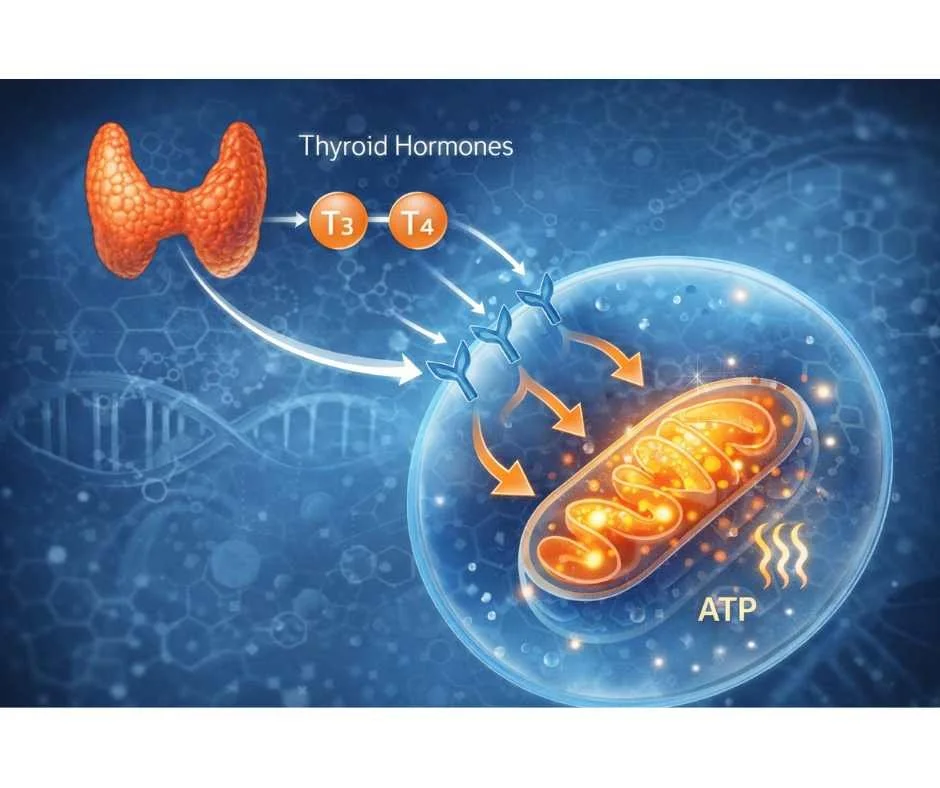
Read MoreThyroid hormones rely on gut integrity, immune regulation, and proper nutrient absorption to function at the cellular level. This article explains why thyroid symptoms often persist despite normal labs—and how gut health shapes thyroid regulation.
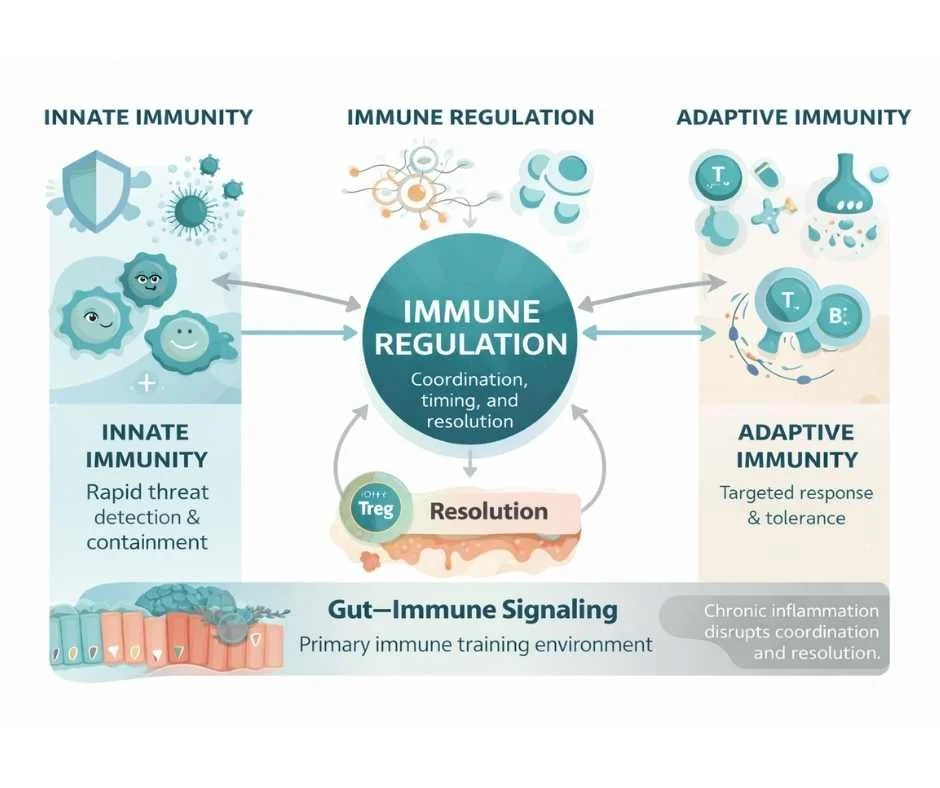
Read MoreA clear, physiology-first explanation of how the immune system works, why regulation matters more than stimulation, and how immune imbalance develops over time.
Read MoreWeight loss resistance is often driven by deeper physiologic regulation—not effort. This article explains why weight loss can stall despite healthy habits using a functional medicine, root-cause framework.
Read MoreHashimoto’s disease is not simply a thyroid problem—it is a progressive autoimmune condition shaped by immune dysfunction, gut health, environmental exposures, and stress physiology. This guide explains why symptoms often appear long before thyroid labs change and how a root-cause, systems-based approach reframes long-term care.
Read MoreAcupuncture may help digestive issues like IBS, reflux, bloating, constipation, and inflammation by improving gut motility, calming the nervous system, and supporting gut–brain regulation through a functional medicine and Traditional Chinese Medicine approach.
Read MoreWeight loss resistance is one of the most frustrating—and misunderstood—effects of hypothyroidism. This article explains how thyroid signaling alters metabolism, energy conservation, stress hormones, and fat oxidation, making traditional diet and exercise strategies ineffective despite consistent effort.
Read MoreSeed oils are everywhere in modern foods, yet most people don’t realize how often they consume them. This article explains what seed oils are, where they hide, and which everyday fat swaps can help reduce exposure without overthinking your diet.
Read MoreOxytocin plays a central role in hormonal regulation by signaling safety to the brain and shaping how stress, metabolic, and reproductive hormones are prioritized. This article explains the hormonal hierarchy and why hormone symptoms can persist even when labs appear normal.
Read MoreWomen with PCOS often experience rebound symptoms after stopping birth control. This article explains why the transition is different with PCOS and how to support hormonal regulation, ovulation, and metabolic stability safely.
Read MoreAfter menopause, declining estrogen accelerates collagen loss, skin thinning, and reduced repair capacity. This article explains how microneedling supports collagen remodeling, improves firmness, and enhances skin texture in postmenopausal skin—without surgery or synthetic fillers.
Read More