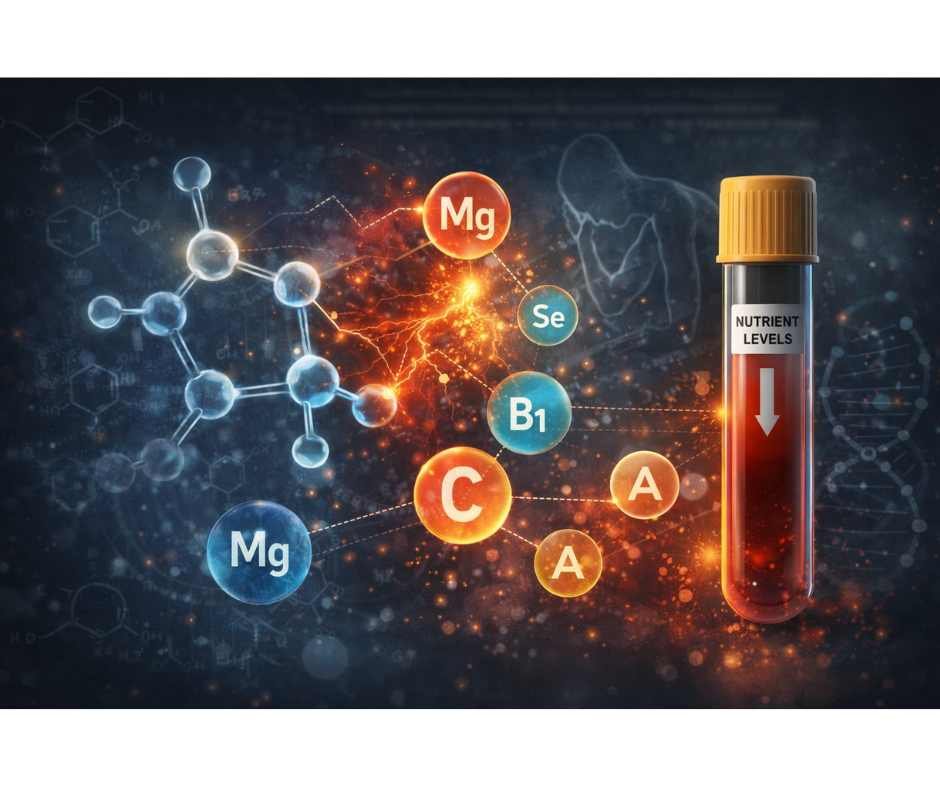
Alcohol disrupts nutrient absorption, liver metabolism, and antioxidant defenses—even at low intake levels. Learn how alcohol depletes magnesium, B vitamins, vitamin D, and methylation nutrients, and how these deficiencies impact brain function, immune resilience, detoxification, and long-term metabolic health.
Read MoreIodine plays a critical yet often overlooked role in breast health. This article explores how iodine supports estrogen balance, protects breast tissue, reduces fibrocystic breast changes, and may influence long-term breast cancer risk—while examining iodine deficiency, halide toxicity, dosing considerations, and clinical testing through a functional medicine lens.
Read MoreYeast infections are not just a vaginal issue. Candida overgrowth can affect the gut, mouth, skin, and immune system, often causing vague, chronic symptoms that are repeatedly misdiagnosed. This article explores hidden Candida symptoms, root causes of recurrence, and how a functional medicine approach restores microbial balance.
Read MoreMigraines are more than headaches. This article explains the root causes of migraines and how a functional medicine approach—addressing gut health, hormones, nutrients, stress, and nervous system regulation—can support long-term relief.
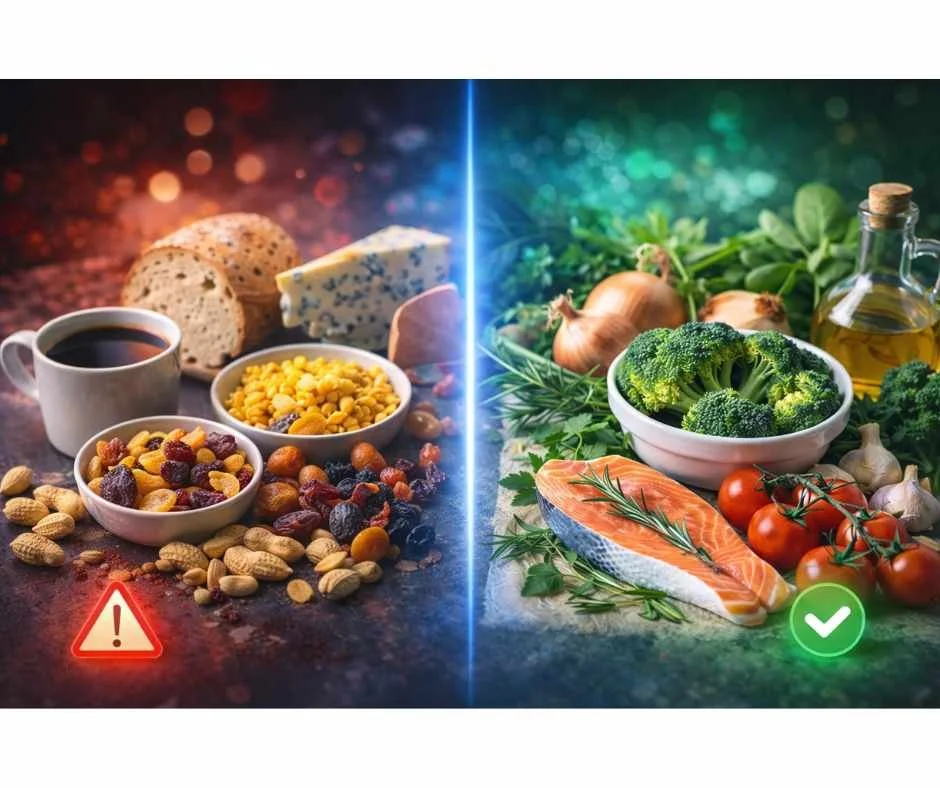
Read MoreThe low FODMAP diet can reduce bloating, gas, and abdominal pain—but only when used correctly. Learn who benefits, what the research shows, and why long-term restriction is not the answer.
Read MoreA mold detox diet focuses on reducing dietary mycotoxin exposure while supporting detoxification, gut integrity, and immune balance during mold illness recovery.
Read MoreMany people experience persistent symptoms after eating gluten despite negative celiac testing. This article explains what non-celiac gluten sensitivity is, how it affects the gut and immune system, and how it can be identified and managed within a root-cause framework.
Read MoreWeight loss resistance is often driven by deeper physiologic regulation—not effort. This article explains why weight loss can stall despite healthy habits using a functional medicine, root-cause framework.
Read MoreSeed oils are everywhere in modern foods, yet most people don’t realize how often they consume them. This article explains what seed oils are, where they hide, and which everyday fat swaps can help reduce exposure without overthinking your diet.
Read MoreLeaky gut syndrome—also known as increased intestinal permeability—can drive inflammation, immune dysfunction, and chronic symptoms throughout the body. Learn how to heal at the root cause.
Read MoreIntermittent fasting can support weight loss and healthy aging by improving insulin sensitivity, metabolic flexibility, and cellular resilience. This article explores how fasting works, who it benefits, and when individualized care is essential.
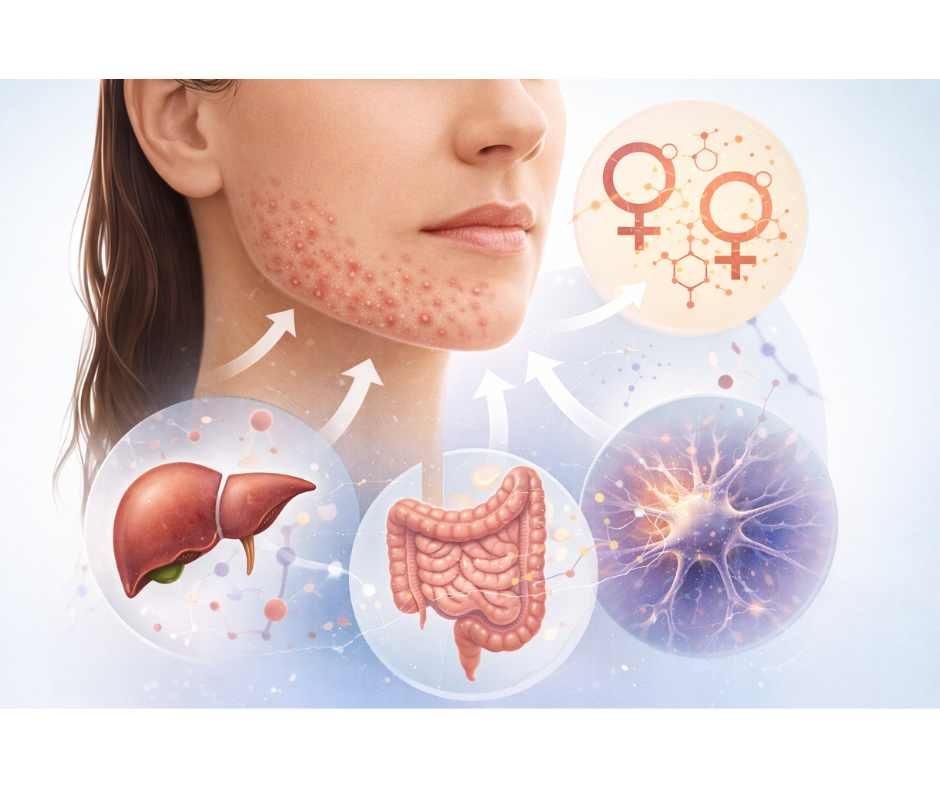
Read MoreAdult acne is often a sign of deeper imbalance rather than a surface skin problem. This article explores the root causes of persistent adult acne—including hormones, gut health, inflammation, stress physiology, and detoxification—and explains how a functional, integrative medicine approach supports long-term skin healing beyond symptom suppression.
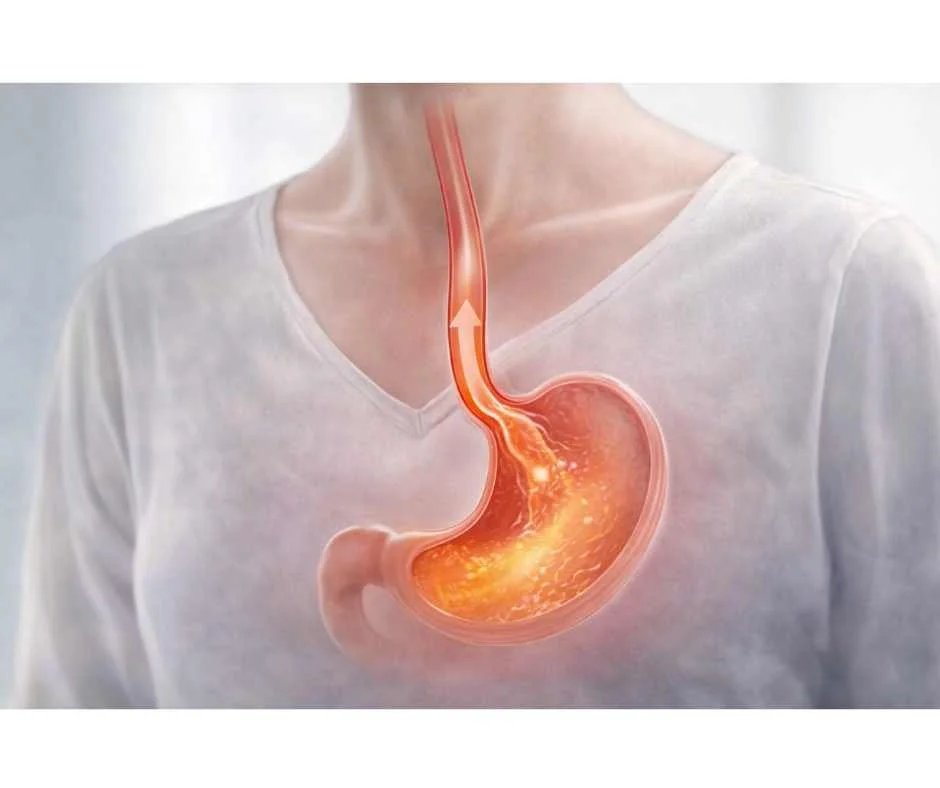
Read MoreHeartburn and acid reflux aren’t always caused by too much stomach acid. In many cases, reflux develops when digestion is impaired, stomach acid is too low, and the valve between the stomach and esophagus doesn’t function properly—creating symptoms that persist despite acid-suppressing treatment.
Read MoreNutrient deficiencies are often overlooked—not because intake is inadequate, but because absorption, utilization, inflammation, and cofactor balance are rarely evaluated. This article explains why common deficiencies are missed, how cellular-level assessment differs from standard blood testing, and why a systems-based approach is essential for accurate evaluation.
Read MoreChronic inflammation rarely comes from a single cause. Instead, it reflects the combined impact of gut health, diet quality, stress, sleep, environmental exposures, and immune regulation over time. This article explores what reduces inflammation naturally by examining the root factors that influence inflammatory load—before relying on symptom suppression or medication-based approaches.
Read MoreVitamin D deficiency is often treated as a simple intake problem, yet many people remain deficient despite sun exposure or supplementation. This article explains why vitamin D functions as a hormone-like regulator, how absorption, cofactors, inflammation, and cellular signaling affect outcomes, and why normal blood levels don’t always reflect biological function.
Read MoreAntibiotics are sometimes necessary—but they can disrupt the gut microbiome long after treatment ends. Learn how antibiotics affect digestion, immunity, and the gut-brain axis, and how a functional medicine approach can help restore balance and prevent long-term dysbiosis.
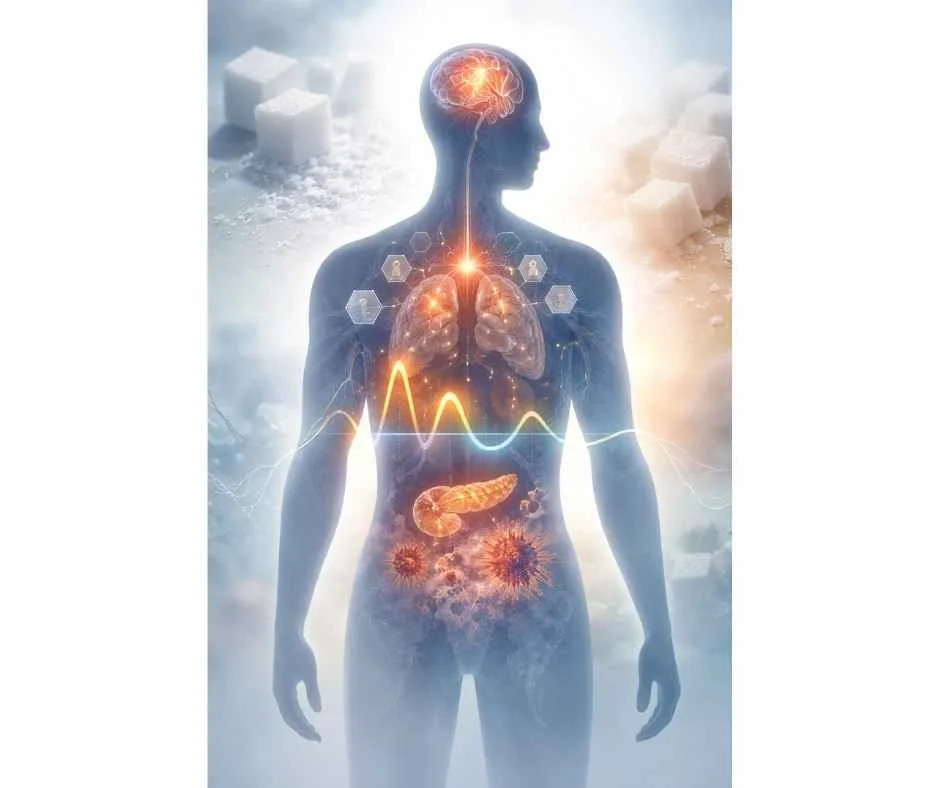
Read MoreAdded sugar is not just empty calories—it is a metabolic stressor that disrupts blood sugar regulation, hormones, energy production, and inflammatory balance long before disease appears on standard labs.
Read MoreFood labels can be confusing and misleading. Learn how to read nutrition facts, spot deceptive claims, and make confident food choices at the grocery store.
Read MoreIntermittent fasting isn’t one-size-fits-all. Learn how to determine whether fasting supports your metabolism, energy, and health—or when it may need personalization.
Read More